Spotting Fallacies in Political Debates
Introduction to Logical Fallacies
What is a Logical Fallacy?
A logical fallacy is a flaw in reasoning. It's a mistake in an argument's structure that makes it invalid. Think of it like a crack in the foundation of a house. The house might look sturdy from the outside, but its support is weak. Similarly, an argument with a fallacy might sound persuasive, but it doesn't hold up to scrutiny.
These arguments are flawed because they rely on faulty logic rather than solid evidence and sound reasoning.
Fallacies can be unintentional slip-ups in logic, or they can be used deliberately to manipulate or deceive an audience. They work by appealing to our emotions, distracting from the main point, or misrepresenting information. They are shortcuts that bypass the hard work of building a strong, evidence-based case.
fallacy
noun
A mistaken belief, especially one based on an unsound argument.
Why Spotting Fallacies Matters
Recognizing logical fallacies is a crucial life skill. We encounter them everywhere: in advertisements, on social media, in news reports, and in conversations with friends and family. The ability to spot them helps you evaluate information critically and make better decisions.
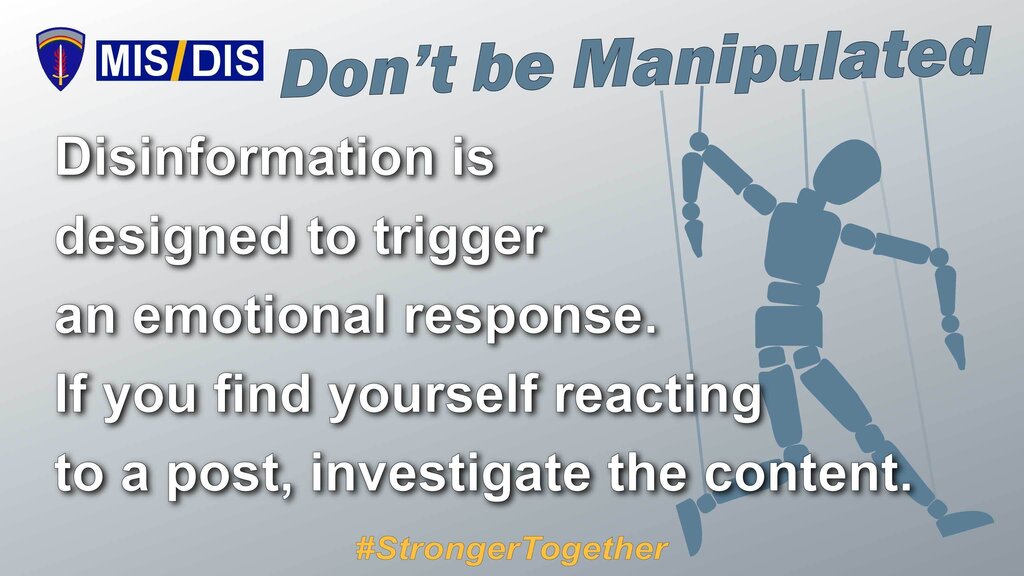
This skill is not just about pointing out flaws in other people's arguments. It's also about improving our own. By understanding common fallacies, we can avoid them in our own thinking and communication, making our own arguments stronger and more honest.
Learning to spot these fallacies is a key skill for thinking clearly.
Fallacies in Politics
Political discourse is often a minefield of logical fallacies. In the heat of a debate or a campaign, speakers might use flawed arguments to attack an opponent, simplify complex issues, or stir up emotions in voters. These tactics can be very effective, but they don't contribute to a healthy, well-informed discussion.
For example, you might hear a politician attack another candidate’s character instead of addressing their policies. This is a common tactic called an ad hominem attack. Or, they might present a complicated issue as having only two extreme options, creating a false dilemma. Another frequent fallacy is the straw man, where a speaker misrepresents an opponent's argument to make it easier to attack.
Being able to identify these fallacies allows you to see past the rhetoric and focus on the substance of the debate. It empowers you to ask better questions and demand more from political leaders. Instead of being swayed by emotional appeals or clever tricks, you can assess the arguments based on their actual merits.
What is the primary characteristic of a logical fallacy?
A politician says, "We can't trust my opponent's economic plan. After all, he's known for his terrible fashion sense." Which logical fallacy is being used?