Spotting Fallacies in Political Debates
Introduction to Logical Fallacies
Spotting Flawed Arguments
An argument is like a building. For it to be strong, it needs a solid foundation of facts and a sturdy structure of logic. If either is weak, the whole thing can collapse. A logical fallacy is a flaw in the structure of an argument. It’s a reasoning error that makes an argument invalid, even if the facts seem to support it.
fallacy
noun
A mistaken belief, especially one based on unsound argument; a failure in reasoning that renders an argument invalid.
Think of it as a trick of logic. Someone might use a fallacy on purpose to persuade you, or they might make the mistake without realizing it. Either way, the result is the same: the conclusion doesn't logically follow from the premises. Learning to spot these fallacies is a crucial skill for thinking clearly and making good decisions.
Even a sound premise can lead to a wrong conclusion if the reasoning is faulty.
Why Fallacies Matter
Logical fallacies are everywhere, from advertisements and social media posts to news reports and political debates. They can be very persuasive because they often appeal to our emotions rather than our reason. When we don't recognize these flawed arguments, we can be tricked into believing things that aren't true or supporting ideas that are not well-founded.
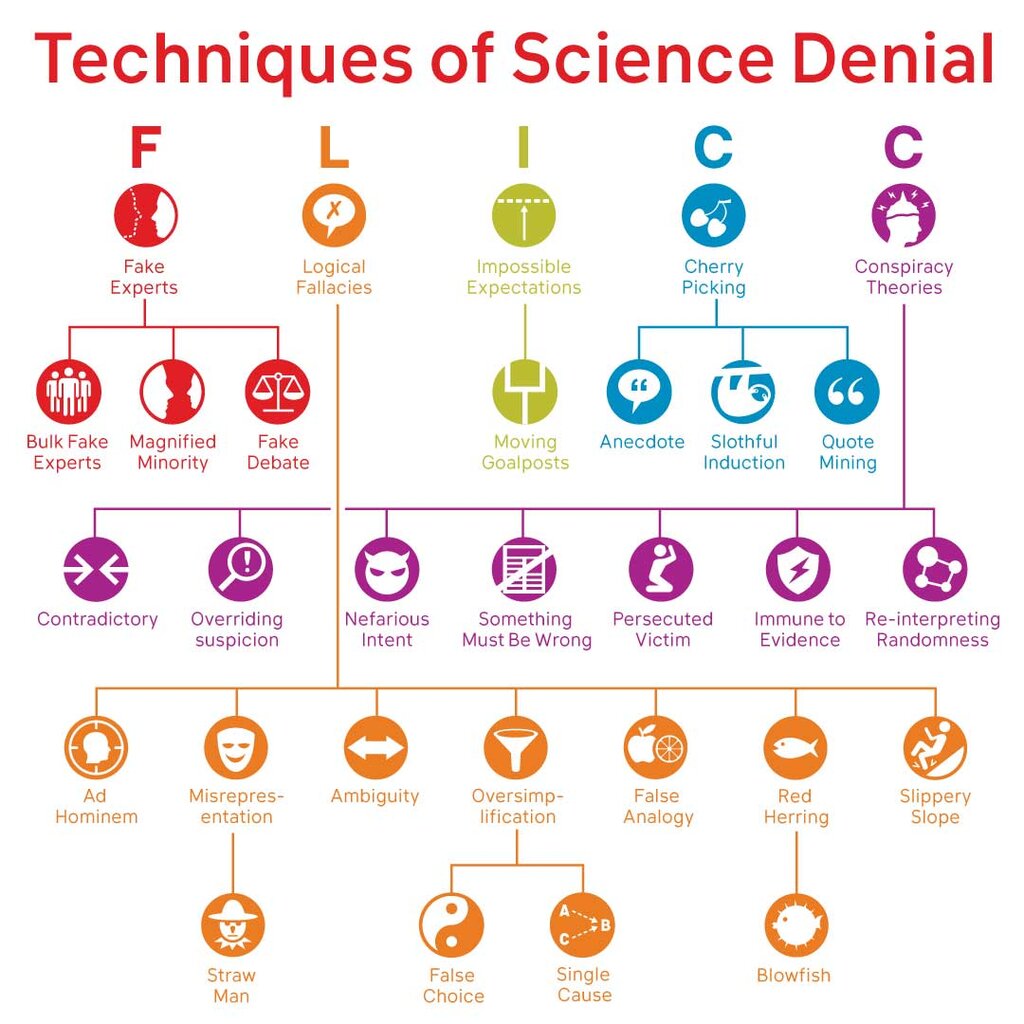
In politics, fallacies are especially common. Politicians might use them to attack an opponent's character instead of their argument, to oversimplify a complex issue, or to stir up fear to win support. Being able to identify these tactics helps you see past the rhetoric and evaluate their claims on their actual merits.
Some politicians use fallacies all the time, all use them some of the time: to deflect and distract and to win arguments, rather than deal head-on with difficult policy issues.
A Quick Look at Fallacy Types
There are many kinds of logical fallacies, but they often fall into a few general categories. Some fallacies are errors of relevance, where the evidence provided is not actually relevant to the conclusion. Others are fallacies of ambiguity, which use vague language or double meanings to confuse the issue. Finally, some are fallacies of presumption, which are based on a faulty assumption.
| Category | Description | Example Idea |
|---|---|---|
| Fallacies of Relevance | The premises are not logically relevant to the conclusion. | Attacking a person's character instead of their argument. |
| Fallacies of Ambiguity | The argument uses a word or phrase with multiple meanings in a misleading way. | Using a term with a double meaning to make a weak point sound strong. |
| Fallacies of Presumption | The argument starts with an unproven or flawed assumption. | An argument that goes in a circle, where the conclusion is also the premise. |
You don't need to memorize every type of fallacy. The goal is to develop a habit of questioning the logic behind an argument. When you hear a claim, ask yourself: Does the evidence truly support the conclusion? Are there any hidden assumptions? Is the language clear and precise? This approach helps you become a more critical thinker.
What is the primary characteristic of a logical fallacy?
According to the text, why are logical fallacies often so persuasive?
This habit of critical examination is the first line of defense against misinformation and poor reasoning.