Spotting Fallacies in Political Debates
Introduction to Logical Fallacies
What is a Flawed Argument?
An argument is like a building. It needs a solid foundation and a strong structure to stand up. The foundation is made of facts and evidence (called premises), and the structure is the reasoning that connects those premises to a conclusion. If the foundation is cracked or the structure is weak, the whole building collapses.
A logical fallacy is a flaw in the reasoning of an argument. It’s a structural defect that makes the argument unsound, even if the conclusion happens to be true. Think of it as a calculation error in a math problem. You might accidentally stumble upon the right answer, but your method for getting there is wrong, which means you can't rely on it.
Fallacies are arguments that seem correct but are not. They are sneaky and can be used to persuade people through means other than offering good reasons.
Fallacy
noun
A mistaken belief, especially one based on an unsound argument.
Logical fallacies are everywhere once you start looking for them: in advertisements, in news reports, in online discussions, and especially in political debates. Learning to spot them is a crucial skill for thinking clearly and making informed decisions.
As young people engage in conversations about political, social or cultural issues, they need to be able to recognize logical fallacies — not just when others use them, but when they’re framing their own arguments.
A Brief History
The study of flawed reasoning isn't new. It dates back to ancient Greece, where philosophers like Aristotle were the first to systematically catalog different types of fallacies. For them, logic and rhetoric were essential tools for participating in public life and democracy. A good argument wasn't just about being right; it was about building your case in a way that was clear, coherent, and honest.
The goal of rhetoric is persuasion. Aristotle broke this down into three modes: ethos (appeal to character), pathos (appeal to emotion), and logos (appeal to logic). Fallacies are a corruption of logos. They pretend to use logic, but they're actually tricks that bypass sound reasoning, often by relying too heavily on emotion or by misrepresenting the speaker's character.
This ancient framework is still incredibly relevant. In a world saturated with information, being able to distinguish a strong argument from a weak one is more important than ever.
Fallacies in Politics
Political discourse is a natural home for logical fallacies. The stakes are high, emotions run deep, and the goal is often to win over voters quickly. Sometimes speakers use fallacies on purpose to mislead an audience or attack an opponent. Other times, they use them by accident, out of passion or a lack of careful thought.
Common fallacies in politics often involve attacking a person instead of their argument (ad hominem), misrepresenting an opponent's position to make it easier to attack (straw man), or creating a false sense of urgency by presenting only two choices when more exist (false dilemma).
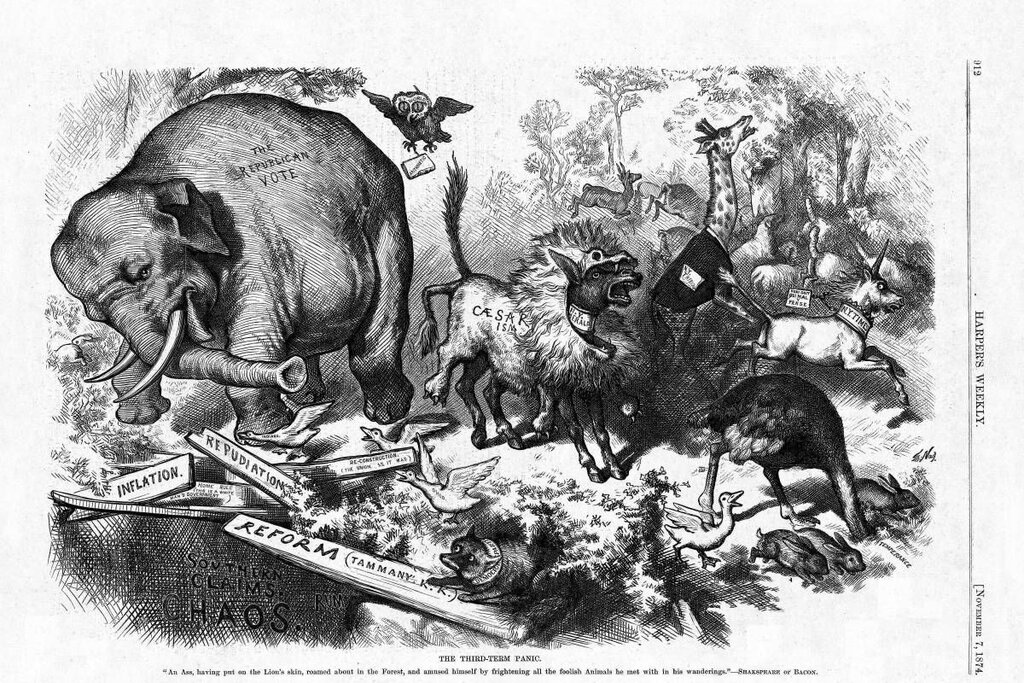
Recognizing these fallacies doesn't just help you see through weak arguments from others. It also helps you strengthen your own. By understanding what not to do, you can build your own positions on a more solid foundation of logic and evidence.
A logical fallacy is best described as:
According to Aristotle's modes of persuasion, logical fallacies are a corruption of which appeal?
In the next sections, we'll dive into specific types of fallacies and learn how to spot them in the wild.