Spotting Fallacies in Political Debates
Introduction to Logical Fallacies
Arguments That Don't Add Up
An argument is like a structure. The conclusion is the roof, and the reasons supporting it are the walls and foundation. For the structure to be sound, every part has to be strong and correctly connected. Sometimes, however, an argument has a critical flaw in its construction. It might look convincing from a distance, but a closer look reveals a crack in the logic.
These errors in reasoning are called logical fallacies. They are arguments where the conclusion does not logically follow from the premises, even if the conclusion itself happens to be true.
Think of it this way: if a builder uses cracked bricks for a foundation, the house might still stand for a while. But it's fundamentally unstable. A logical fallacy is like a cracked brick in an argument. It weakens the entire structure of reasoning, making the conclusion unreliable.
Fallacies in Politics
Political debates are fertile ground for logical fallacies. The goal is often to persuade quickly and powerfully, and tapping into emotion can be more effective than building a logically sound case. A candidate might use a flawed argument to make their opponent look bad or to make their own policy seem like the only sensible option. These arguments can be very persuasive, especially if we're not paying close attention to the logic being used.
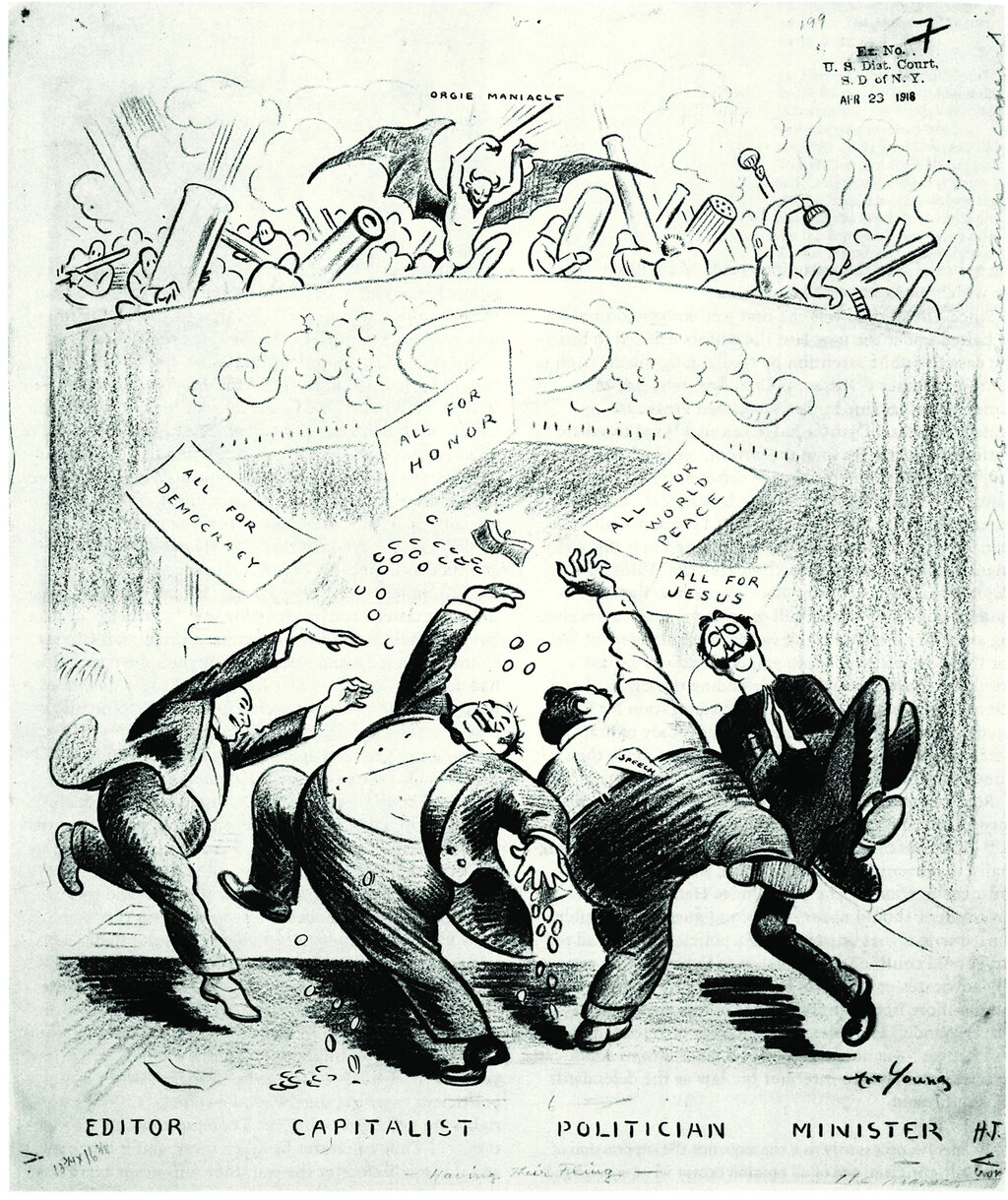
Recognizing these fallacies is a crucial skill for any voter. When you can spot a weak argument, you can look past the persuasive language and focus on the actual substance of what's being said. It allows you to evaluate a candidate's position based on their reasoning, not just their rhetoric.
As young people engage in conversations about political, social or cultural issues, they need to be able to recognize logical fallacies — not just when others use them, but when they’re framing their own arguments.
This isn't about nitpicking or winning debates. It's about making clear-headed decisions. When we choose leaders and policies, we're making choices that affect our lives and communities. The ability to distinguish a solid argument from a flimsy one is fundamental to making those choices wisely.
Shaping Public Opinion
When logical fallacies are repeated often enough in speeches, ads, and news commentary, they can start to shape public opinion on a massive scale. A flawed argument, if it's emotionally appealing, can convince large groups of people to support a cause or a candidate, even if the reasoning behind it is weak.
Over time, this can lead to a political environment where emotional appeals and clever attacks are more valued than solid evidence and careful reasoning. It becomes harder to have productive conversations about complex issues because the discussion gets sidetracked by faulty logic. Learning to identify these fallacies is the first step toward demanding a higher quality of debate from our leaders and ourselves.