Spotting Fallacies in Political Debates
Introduction to Logical Fallacies
Spotting Faulty Arguments
An argument can sound convincing but be completely wrong. This often happens when it's built on a logical fallacy—a flaw in reasoning that makes the argument invalid. Think of it as a structural weakness. The argument might look solid on the surface, but a little pressure reveals the cracks.
Logical fallacies are errors in reasoning that weaken arguments.
It’s important to remember that just because an argument contains a fallacy, its conclusion isn't automatically false. It just means the reasoning used to reach that conclusion is flawed. There might be a perfectly good argument for the same conclusion, but the one being presented isn't it.
Fallacies in the Political Arena
Political debates are prime territory for logical fallacies. In the heat of the moment, with limited time to make a point, speakers often reach for rhetorical shortcuts. Sometimes this is unintentional, a simple mistake in structuring their thoughts. Other times, it's a deliberate tactic to persuade, distract, or discredit an opponent without engaging with the core issue.
Being able to identify these fallacies is a crucial skill for any voter. It allows you to see past the persuasive language and emotional appeals to evaluate the actual substance of what's being said. When you can spot faulty reasoning, you're less likely to be swayed by arguments that lack real evidence or logical support.
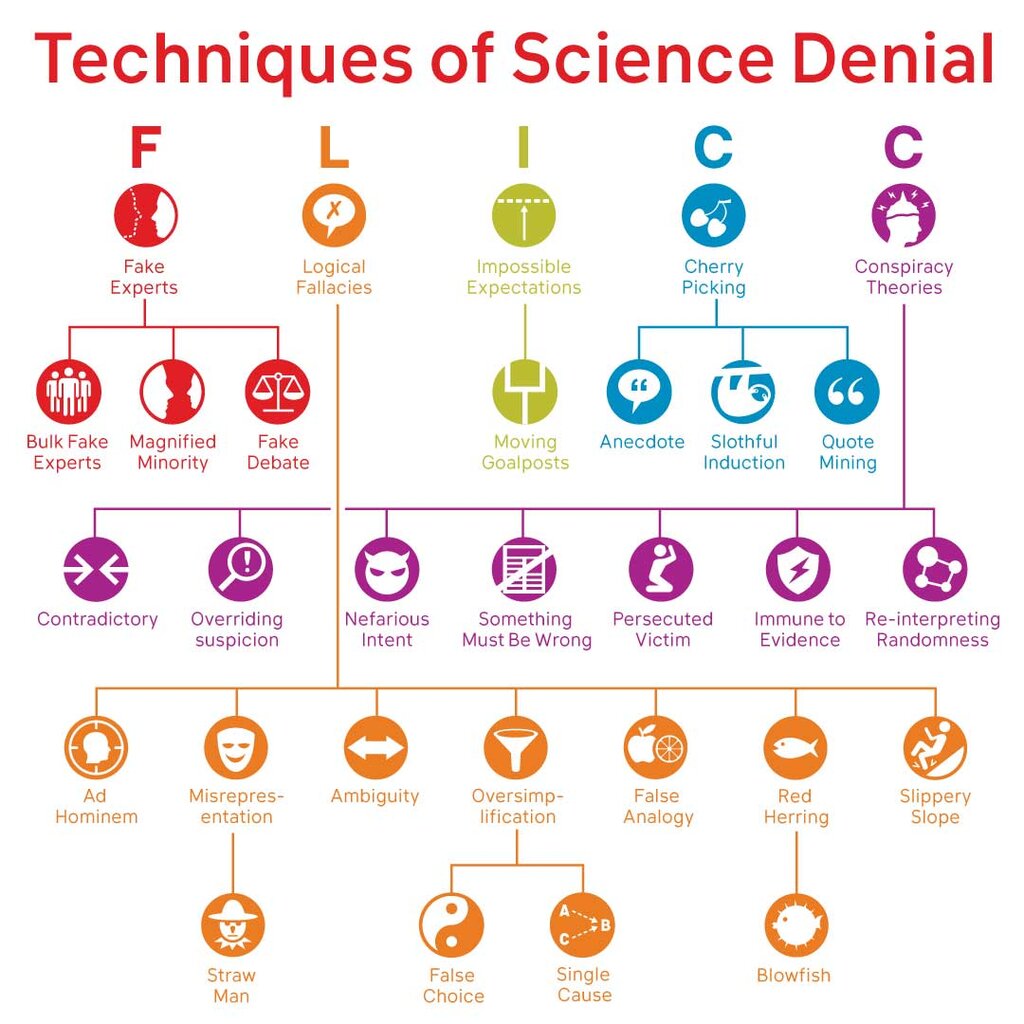
Recognizing these techniques helps you filter out the noise and focus on the ideas and policies that truly matter.
An Overview of Common Types
There are dozens of logical fallacies, each with its own name and structure. You don't need to memorize them all, but being familiar with a few common ones can make a huge difference in how you listen to a debate. Here are a few examples you'll likely encounter.
| Fallacy | Description |
|---|---|
| Ad Hominem | Attacking the person making the argument instead of the argument itself. |
| Straw Man | Misrepresenting an opponent's argument to make it easier to attack. |
| Slippery Slope | Arguing that a small first step will inevitably lead to a chain of negative events. |
| False Dichotomy | Presenting only two options as the only possibilities, when in fact more exist. |
| Appeal to Emotion | Manipulating an emotional response in place of a valid or compelling argument. |
Keeping these in mind can help you start analyzing the logic behind the political statements you hear every day. Now, let's test your understanding of these foundational concepts.
What is the primary characteristic of a logical fallacy?
If you identify a logical fallacy in an argument, what does that mean about the argument's conclusion?
Understanding what fallacies are and why they matter is the first step toward becoming a more critical consumer of information.