Spotting Fallacies and Manipulation
Introduction to Critical Thinking
What Is Critical Thinking?
Critical thinking is the process of actively and skillfully analyzing, questioning, and evaluating information. It’s not about being negative or finding fault. Instead, it’s about thinking clearly and rationally to understand the logical connection between ideas.
It's the skill of questioning what you hear, read, and see, rather than just accepting it at face value.
When you think critically, you are an active participant in your own learning. You move beyond simply remembering facts to understanding why things are the way they are. This involves identifying arguments, finding evidence, and spotting poor reasoning.
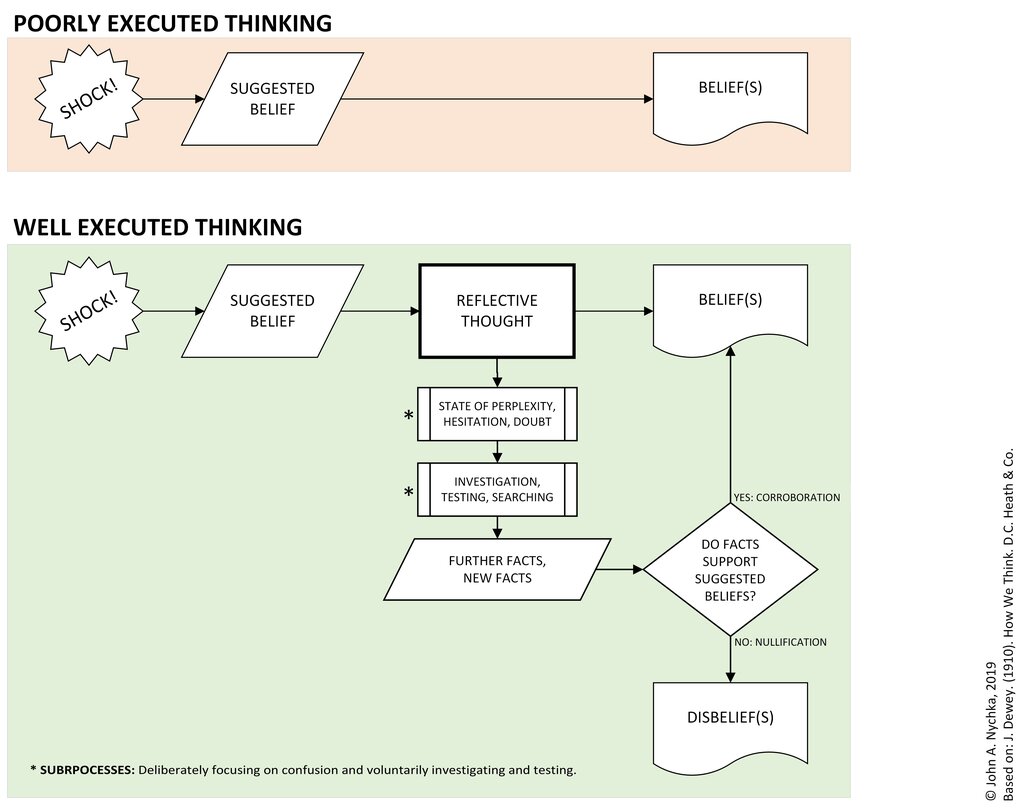
Thinking in Everyday Life
This skill isn't just for academics or scientists. You use critical thinking every day, whether you realize it or not. When you're deciding which product to buy, you might compare reviews, check prices, and consider your actual needs. That's critical thinking in action.
It's also crucial when you're consuming news or information online. A critical thinker asks questions like:
- Who created this message, and why?
- What evidence is presented?
- Are there other perspectives to consider?
analysis
noun
The detailed examination of the elements or structure of something.
Developing this skill helps you cut through the noise. It empowers you to form your own well-reasoned opinions rather than adopting the opinions of others. This leads to better, more informed decisions in all areas of your life, from personal finance to your health.
Critical thinking is clear, reasonable, reflective thinking focused on deciding what to believe or do.
Better Decisions, Better Solutions
At its core, critical thinking is a tool for problem-solving. A good critical thinker doesn't just look for a quick fix. They start by carefully examining the problem from multiple angles to truly understand it. What are the underlying issues? What are the potential consequences of different actions?
By breaking a problem down and evaluating possible solutions logically, you're far more likely to arrive at an effective outcome. This systematic approach saves time and helps you avoid making the same mistakes again.
Critical thinking helps you move from simply reacting to information to thoughtfully responding to it.
It improves your ability to communicate clearly and persuasively. When you understand your own thinking process, you can explain your reasoning to others more effectively, supporting your arguments with solid evidence. This is a valuable skill in any career and in personal relationships.
Ready to check your understanding? Let's see what you've learned about the basics of critical thinking.
What is the primary goal of critical thinking?
Which of the following scenarios is the best example of applying critical thinking?
Mastering the fundamentals of critical thinking is the first step toward becoming a more discerning and effective thinker. It provides the foundation for identifying flawed arguments and making better-informed choices.