Spotting Fallacies and Manipulation
Introduction to Logical Fallacies
Spotting Faulty Arguments
An argument can seem convincing on the surface, but fall apart under a little scrutiny. Often, this is because it’s built on a logical fallacy—a flaw in reasoning that makes the argument invalid. Think of it like a house with a shaky foundation. It might look fine from the street, but it's not structurally sound.
Logical fallacies are errors in reasoning that weaken arguments. They can be intentional tricks to persuade you, or they can be unintentional mistakes. Either way, learning to spot them is a superpower for thinking clearly.
Once you start looking for them, you'll see fallacies everywhere: in advertisements, political debates, news articles, and everyday conversations. Knowing how to identify these weak points helps you cut through the noise and evaluate information on its own merit.
A Few Common Culprits
There are dozens of logical fallacies, but a few pop up constantly. Let's look at three of the most common ones.
Ad Hominem
noun
An attack on the person making an argument, rather than the argument itself. The goal is to discredit the speaker and, by extension, their point.
This fallacy is a classic diversion tactic. If you can't beat the argument, you attack the person who made it. It’s a red flag that the person might not have a strong counter-argument.
Straw Man
noun
Misrepresenting or exaggerating someone else's argument to make it easier to attack. It’s like building a scarecrow out of straw, knocking it down, and claiming you’ve defeated a real person.
This tactic distorts the original point into something absurd or extreme. By defeating the distorted version, the person creates the illusion of a victory without ever engaging with the actual idea.
Appeal to Emotion
noun
Attempting to manipulate an emotional response in place of a valid or compelling argument. This bypasses logic by tugging at heartstrings.
While emotions are a valid part of human experience, they aren't a substitute for evidence or sound reasoning. When an argument relies solely on making you feel something—fear, pity, anger, or joy—it's worth asking if there's any substance behind it.
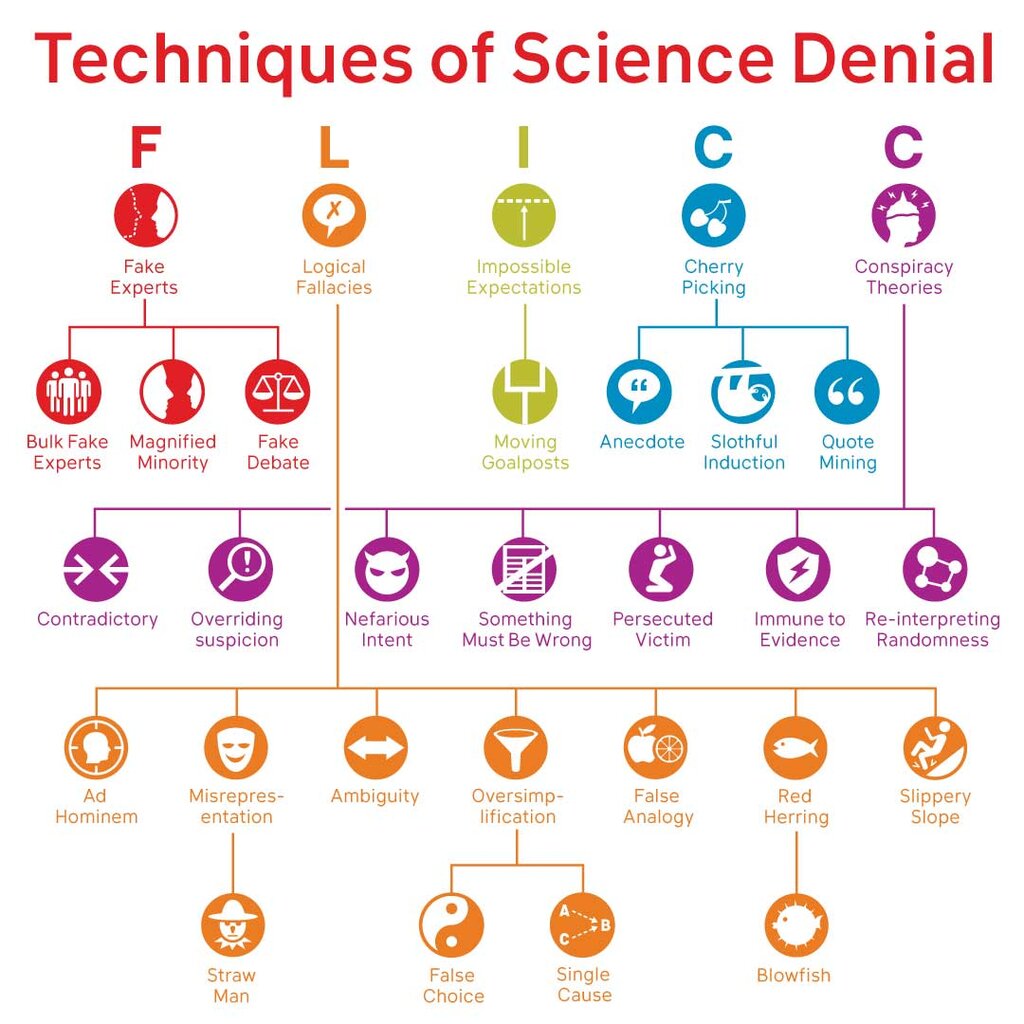
Now that you know what to look for, let's test your fallacy-spotting skills.
A politician argues that their opponent's economic plan is flawed. Instead of addressing the plan's details, they bring up the opponent's messy divorce. This is an example of which logical fallacy?
Person A: "We should invest more in renewable energy to combat climate change." Person B: "So you want to shut down all power plants tomorrow and plunge the country into darkness? That's absurd!" Person B is using what kind of fallacy?
Recognizing these fallacies is the first step toward building stronger arguments of your own and more thoughtfully evaluating the arguments of others.