Spotting Fallacies and Manipulation
Introduction to Logical Fallacies
What Is a Logical Fallacy?
Think of an argument as a structure built to support a conclusion. The premises are the foundation, and the reasoning is the frame that holds everything together. A logical fallacy is a flaw in that frame—an error in reasoning that makes the whole structure unstable. Even if the premises are true, a fallacy means the conclusion doesn't necessarily follow.
fallacy
noun
A mistaken belief, especially one based on an unsound argument.
These errors can be intentional, used to manipulate or persuade, or they can be accidental mistakes in thinking. Either way, they weaken the argument. They are surprisingly common, and you can find them in advertisements, political speeches, news articles, and everyday conversations.
A logical fallacy is a breakdown in reasoning. It's an argument that seems convincing on the surface but collapses under examination.
Why Spotting Fallacies Matters
Learning to identify logical fallacies is a superpower for clear thinking. It helps you cut through the noise and evaluate what people are actually saying, not just how they're saying it. When you can spot a weak argument, you're less likely to be swayed by emotional appeals, misleading claims, or clever rhetoric.
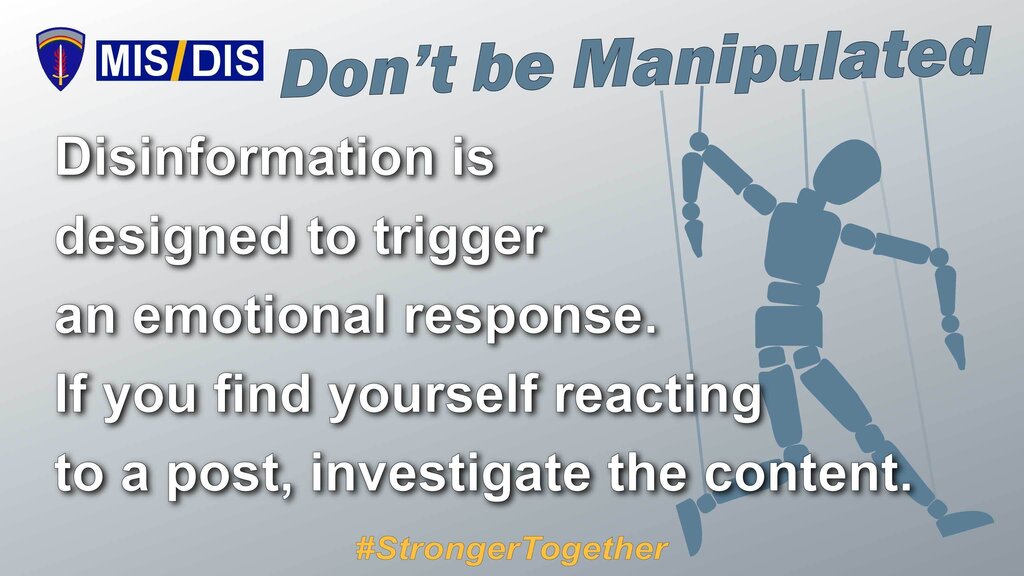
This skill is essential for making informed decisions, whether you're deciding who to vote for, what product to buy, or which ideas to believe. It helps you build stronger arguments of your own and engage in more productive discussions with others. By focusing on the logic, you can keep conversations on track and avoid getting pulled into pointless disputes.
Learning and recognizing the following common logical fallacies will help develop your ability to think critically, and will aid you in your recognition of propaganda and defense against it.
A Quick Tour of Fallacies
Logical fallacies come in many forms. Some are about distracting from the real issue, while others rely on emotional manipulation or faulty assumptions. We'll explore these in more detail later, but here is a brief overview of some common categories and examples.
| Category | Description | Example Fallacy |
|---|---|---|
| Fallacies of Relevance | These arguments rely on premises that aren't logically relevant to the conclusion. | Ad Hominem |
| Fallacies of Weak Induction | The evidence provided is too weak to support the conclusion. | Hasty Generalization |
| Fallacies of Presumption | These arguments are based on a hidden, unjustified assumption. | Circular Reasoning |
| Fallacies of Ambiguity | An argument uses a word or phrase with a double meaning to mislead. | Equivocation |
Don't worry about memorizing these names right now. The goal is to start recognizing the patterns of faulty reasoning they represent. In the upcoming sections, we'll break down each of these types with clear examples to make them easy to spot in the wild.
What is the best definition of a logical fallacy?
If an argument contains a logical fallacy, its conclusion must be false.