Spotting Fallacies and Manipulation
Introduction to Logical Fallacies
Spotting Faulty Logic
An argument can seem convincing on the surface, but fall apart under scrutiny. When this happens, it's often because of a logical fallacy. A logical fallacy is simply an error in reasoning. It's a flaw that makes an argument unsound, even if its conclusion happens to be true.
Think of an argument as a building. The conclusion is the roof, and the premises—the reasons and evidence—are the foundation and walls. A logical fallacy is like using cracked bricks or a shaky foundation. The structure might stand for a moment, but it's not stable. It can't truly support the conclusion.
Logical fallacies are errors in reasoning that weaken arguments.
A Skill for Clear Thinking
Learning to spot logical fallacies is a crucial skill. We're surrounded by arguments every day—in advertisements, news articles, political speeches, and casual conversations. Many of them contain fallacies, whether they're used intentionally to persuade or by mistake.
By recognizing these errors, you can better evaluate the information you encounter. It helps you cut through the noise and focus on the actual merit of an argument. This protects you from being misled by faulty reasoning and allows you to make more informed decisions. It also strengthens your own arguments by helping you avoid these pitfalls.
Common Types of Fallacies
There are dozens of logical fallacies, but most fall into a few general categories. You don't need to memorize every single one. Instead, it's helpful to understand the basic patterns of faulty thinking they represent.
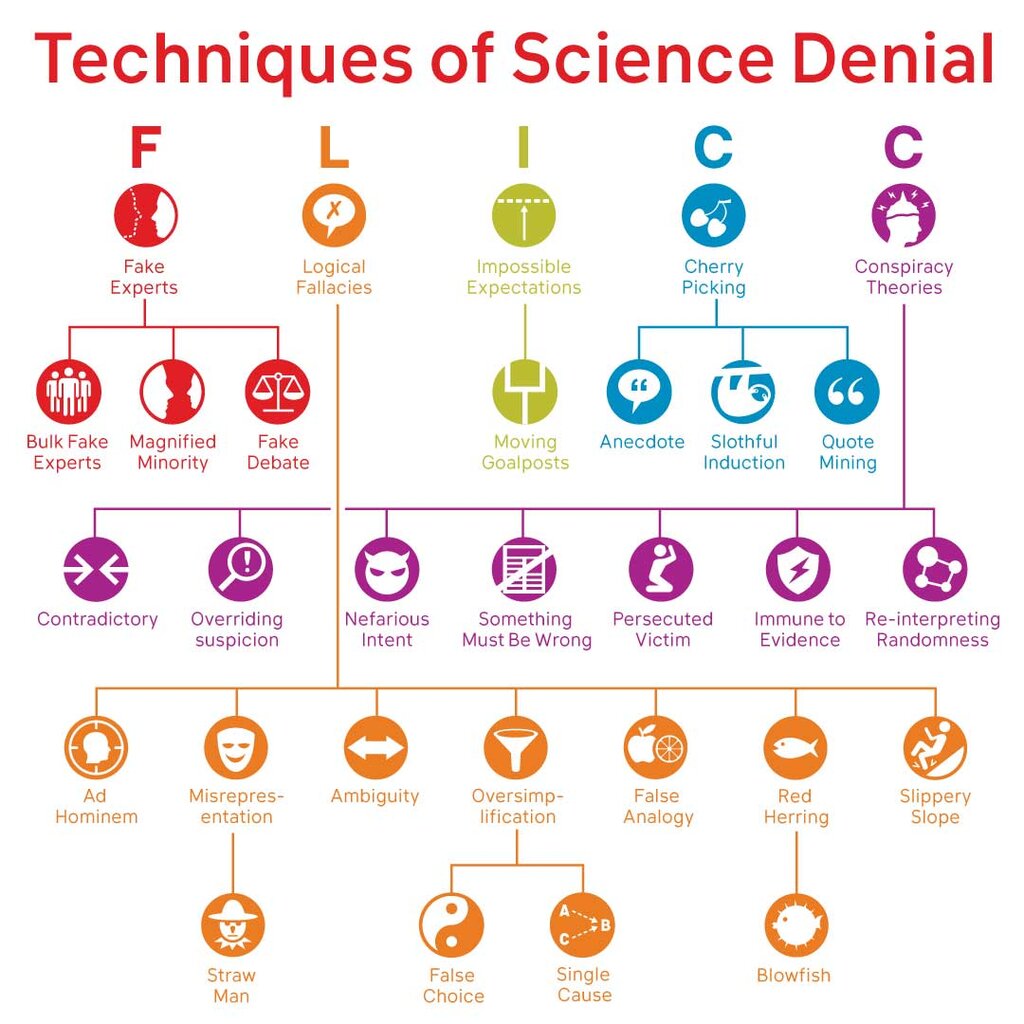
Some common types include:
- Fallacies of Relevance: These happen when the evidence presented is not actually relevant to the conclusion. A classic example is attacking the person making the argument instead of the argument itself (ad hominem).
- Fallacies of Weak Induction: The evidence might be relevant, but it's too weak to support the conclusion. This includes making a broad generalization based on a small, unrepresentative sample (hasty generalization).
- Fallacies of Presumption: These arguments make an unjustified assumption. For example, presenting only two options as the only possibilities, when in fact more exist (false dilemma).
Getting familiar with these patterns is the first step toward becoming a more critical thinker. It trains your brain to question the structure of an argument, not just its conclusion.
What is a logical fallacy?
According to the text, learning to spot logical fallacies is a crucial skill primarily because it helps you to:
Now that you can spot the basics of faulty reasoning, we'll start digging into specific fallacies you're likely to encounter.