Spotting Fallacies and Manipulation
Introduction to Logical Fallacies
Arguments That Fall Apart
Have you ever listened to an argument and felt like something was off, but you couldn't quite put your finger on it? The speaker might sound confident and their points might seem convincing, but the conclusion just doesn't feel right. Chances are, you've encountered a logical fallacy.
A logical fallacy is a flaw in reasoning. It's an error that makes an argument invalid, even if its premises and conclusion are all true. Think of it as a structural weakness. A building with a faulty foundation might stand for a while, but it's not sound. Similarly, an argument built on a fallacy might be persuasive, but it's not logically solid.
Logical fallacies are errors in reasoning that weaken arguments.
These errors aren't about getting facts wrong. Someone could use perfect data and still make a fallacious argument. The problem lies in the connection between the evidence and the conclusion. Learning to spot these breakdowns in logic is a crucial skill for thinking clearly and defending yourself against manipulation.
Where Fallacies Hide
Logical fallacies are everywhere. They're common tools in advertising, where the goal is to persuade you to buy something. An ad might show a famous athlete drinking a soda, implying that you'll become athletic if you drink it too. There's no logical connection, but the emotional appeal can be powerful.
Politics and news media are also hotspots for faulty reasoning. During a debate, a candidate might attack their opponent's character instead of addressing their policy proposals. On social media, you'll see arguments that oversimplify complex issues into two extreme choices, ignoring any middle ground.
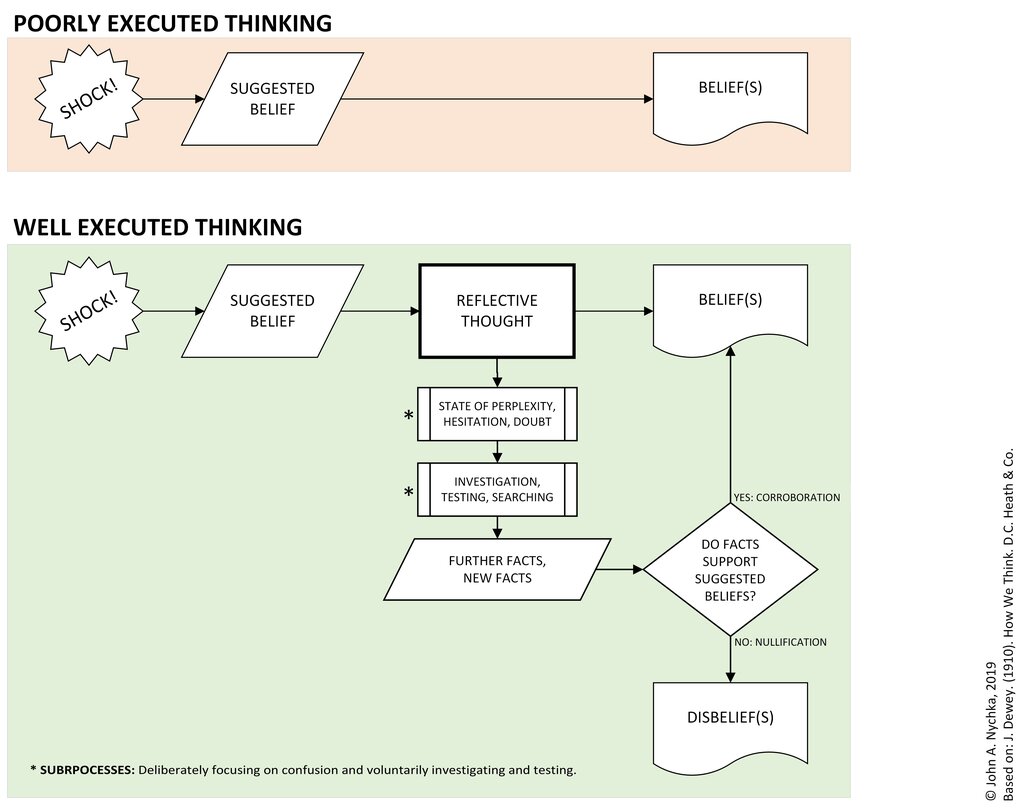
A bad argument can look like a good one if you don't know what to look for. It preys on our assumptions and emotions to bypass our rational thought.
Even in everyday conversations, fallacies can slip in unintentionally. We might jump to conclusions based on limited experience or let our biases guide our reasoning. These mental shortcuts can lead us to form beliefs that aren't supported by sound logic.
Why It Matters
The impact of logical fallacies goes beyond losing a debate. When we can't tell a weak argument from a strong one, we become vulnerable to misinformation and manipulation. Our decisions about everything from our health to our finances to who we vote for can be swayed by flawed reasoning.
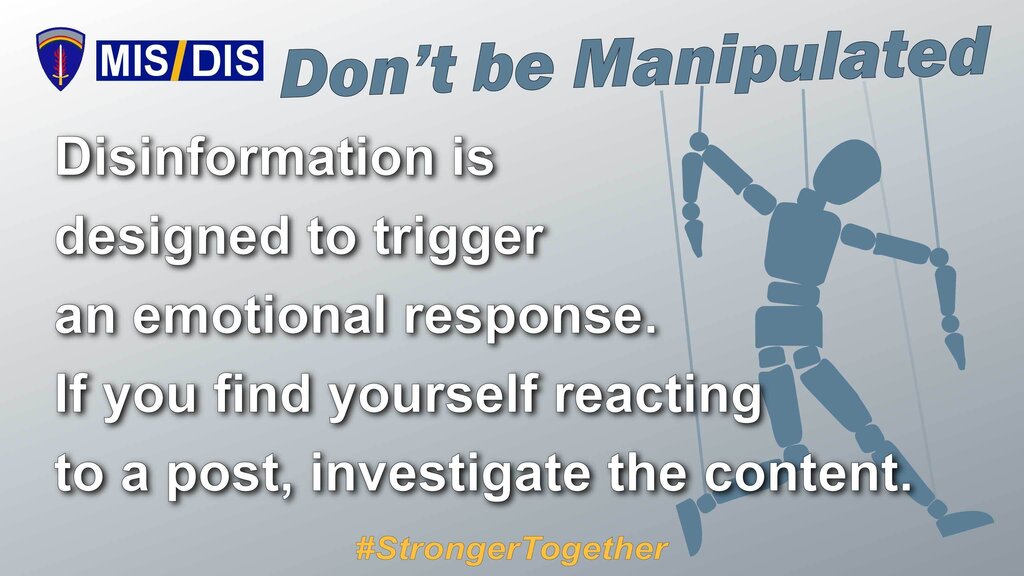
By understanding what fallacies are and where they appear, you take the first step toward building a defense. It helps you pause and question the arguments you encounter. You start to analyze the structure of a claim, not just the emotional weight behind it. This skill is the foundation of critical thinking, allowing you to engage with the world more thoughtfully and make more informed decisions.
What is the best definition of a logical fallacy?
During a political debate about economic policy, one candidate says, 'You shouldn't trust my opponent's plan; they divorced their spouse last year.' This is an example of what kind of flawed reasoning mentioned in the text?
Now that you've been introduced to the concept, you're better equipped to navigate the sea of information around you. The next step is learning to identify specific types of fallacies in the wild.