Spotting Fallacies and Manipulation
Introduction to Logical Fallacies
What Are Logical Fallacies?
An argument can seem convincing on the surface, but that doesn't always mean it's solid. Think of a logical argument as a building. For it to stand strong, it needs a solid foundation of facts and a sturdy structure of reasoning. If the reasoning is weak, the whole argument can collapse, even if the final point seems correct.
These weaknesses in reasoning are called logical fallacies. They are common errors that undermine an argument's logic, making it invalid. Spotting them is a crucial skill for thinking clearly.
fallacy
noun
A mistaken belief, especially one based on an unsound argument.
Why Spotting Fallacies Matters
Logical fallacies are everywhere, from advertisements and news articles to everyday conversations. They can be used intentionally to persuade or mislead you, but they are often used by accident, even by people with good intentions.
Learning to recognize these flawed arguments is like having a toolkit for your brain. It helps you cut through the noise and evaluate information critically. Instead of just accepting a claim at face value, you can examine its structure and see if it holds up.
As young people engage in conversations about political, social or cultural issues, they need to be able to recognize logical fallacies — not just when others use them, but when they’re framing their own arguments.
This skill isn't just about pointing out flaws in other people's thinking. It also helps you strengthen your own arguments. By understanding common pitfalls, you can avoid them in your own writing and speaking, making your own points more logical and persuasive.
An Overview of Fallacy Types
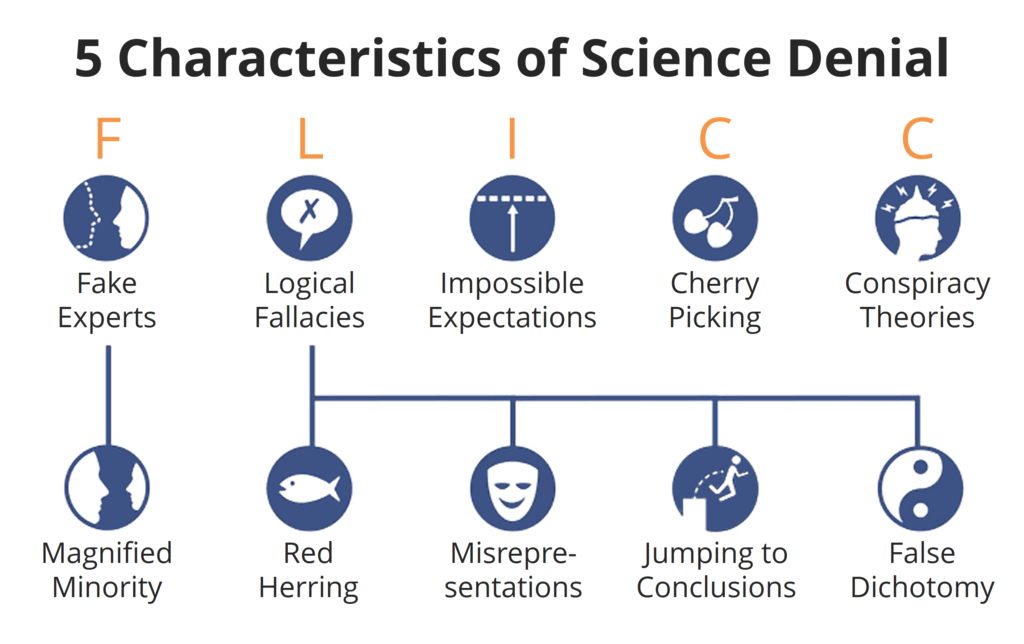
There are many different types of logical fallacies, but they are often grouped into a few main categories based on the kind of error they make. For instance, some fallacies distract from the actual argument by introducing irrelevant information. Others rely on ambiguity in language to make a misleading point. Still others start with a bad assumption, making any conclusion built upon it unreliable.
Familiarity with these categories can help you quickly identify what might be going wrong in an argument you encounter.
It's important to remember that an argument containing a fallacy might still arrive at a true conclusion. However, it does so for the wrong reasons. The conclusion doesn't logically follow from the premises. A strong argument requires both a sound structure and a factually correct conclusion.
A fallacious argument can have a true conclusion, but it doesn't follow from the faulty reasoning.
Now, let's test your understanding of these core concepts.
What is the best definition of a logical fallacy?
An argument that contains a logical fallacy can still arrive at a true conclusion.
Recognizing logical fallacies is the first step toward becoming a more discerning reader, a sharper thinker, and a more effective communicator. In the next sections, we'll start digging into specific fallacies you're likely to encounter.