Spotting Deepfakes and Misinformation
Understanding Misinformation
The Information Maze
We live in a world saturated with information. It comes at us from every direction—news sites, social media feeds, and conversations with friends. But not all information is created equal. Some of it is inaccurate, and some is deliberately deceptive. Navigating this landscape requires understanding the different kinds of bad information we might encounter.
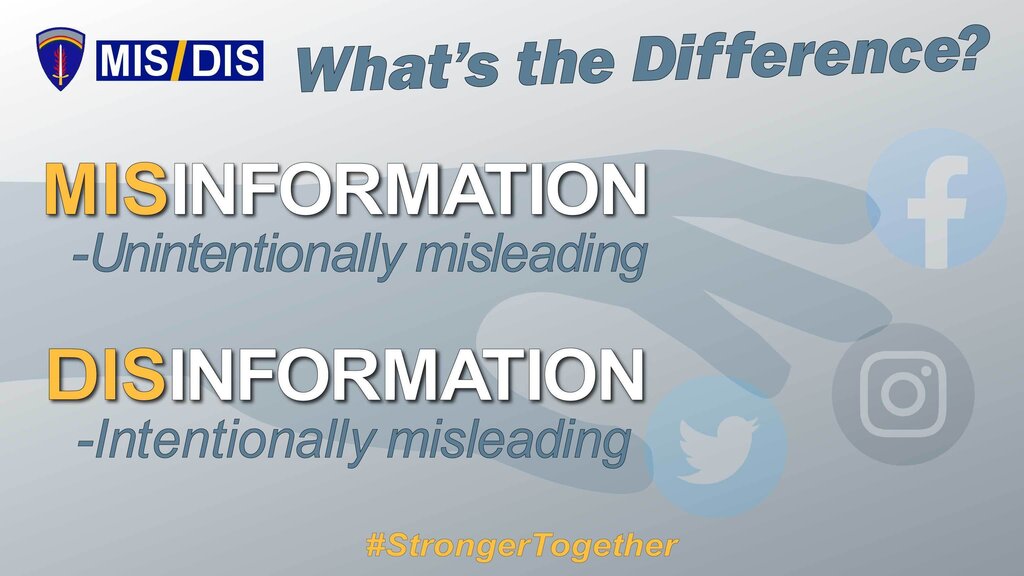
The terms are often used interchangeably, but they mean different things. It’s helpful to think about intent.
Misinformation
noun
False information that is spread, regardless of intent to mislead.
Think of misinformation as an honest mistake. Your aunt shares an article claiming a celebrity has died, but it’s from a satirical website and she didn’t realize it. She wasn’t trying to trick anyone; she was just mistaken.
Disinformation
noun
False information that is deliberately created and spread to deceive people.
Disinformation is a weapon. It's a fake social media account created to spread false rumors about a political candidate, or a doctored image designed to make people angry or scared. The goal is to manipulate.
There's a third category, which is a bit more subtle. Malinformation is genuine information, like a private email or a personal photo, that is shared publicly with the intent to harm a person or a group. It’s not false, but it’s weaponized. The information itself is true, but its use is malicious.
Why We Fall For It
Why do these falsehoods spread so easily? The answer lies in our own psychology. Our brains use mental shortcuts, or cognitive biases, to make sense of the world quickly. But these same shortcuts can make us vulnerable to false information.
One of the most powerful is confirmation bias. This is our tendency to seek out and favor information that confirms what we already believe. If you think a certain politician is corrupt, you’re more likely to believe a negative story about them, whether it’s true or not. You’ll click on it, believe it, and share it, reinforcing your original belief.
Emotion is another key factor. False information often spreads because it triggers a strong emotional response like anger, fear, or excitement. When we feel these emotions, our critical thinking skills can take a backseat. We react first and think later.
Recognizing that disinformation often preys on pre-existing biases and emotional vulnerabilities is crucial to developing a discerning eye.
The Social Media Amplifier
If cognitive biases are the fuel, social media is the fire. These platforms are designed to maximize engagement—likes, shares, and comments. The algorithms that power them don't care if information is true or false; they care about what keeps you scrolling.
Content that is surprising, outrageous, or emotionally charged tends to get the most engagement. As a result, false narratives can spread much faster and wider than carefully fact-checked, nuanced reporting. We share things with our networks, who then share it with theirs, creating a viral cascade of information that can be nearly impossible to stop.
This can also lead to echo chambers or filter bubbles, where we are primarily exposed to information and opinions that align with our own. The platform's algorithm learns what we like and shows us more of the same, insulating us from different perspectives and making it harder to recognize when we're being misled.
The consequences of this amplified spread are significant. It erodes trust in institutions like science, government, and the media. It can polarize communities, making it harder to find common ground on important issues. In some cases, it can even lead to real-world harm, influencing decisions about public health or stoking social conflict.
The Power of a Question
The most effective tool against misinformation is not a fancy app or a complex algorithm. It's a habit of mind: critical thinking. This doesn't mean being cynical about everything, but it does mean approaching new information with a healthy dose of skepticism.
It means pausing before you share. It means asking simple questions: Who is behind this information? What is their motivation? Where did they get their information? Is there another side to this story?
Developing the habit of questioning what you see online is the single most important step you can take to protect yourself and your community from the spread of false information.
Let's review the key ideas from this section.
Now, check your understanding with a few questions.
A political activist leaks a rival candidate's private, but authentic, text messages to damage their reputation right before an election. This is an example of:
You strongly believe that a new diet is highly effective. You then primarily search for and read articles that showcase its success stories while ignoring studies that show its potential risks. This is a classic example of what?
By understanding the types of false information and the psychological reasons we're susceptible to them, we're better equipped to navigate our complex media landscape.