Spotting Deepfakes and Misinformation
Understanding Deepfakes
When Seeing Isn't Believing
Imagine watching a video of a world leader giving a speech they never actually gave. Or seeing a movie star in a scene they never filmed. This isn't science fiction anymore. It's the reality of deepfakes.
Deepfakes are photos, videos, or audio clips that have been digitally created to show people saying and doing things that never happened.
The term "deepfake" is a blend of "deep learning" and "fake." Deep learning is a type of artificial intelligence that allows a computer to learn from huge amounts of data. In this case, the AI studies images, videos, and audio of a person to learn their mannerisms, voice, and facial expressions. With enough data, it can create entirely new, synthetic media that looks and sounds incredibly real.
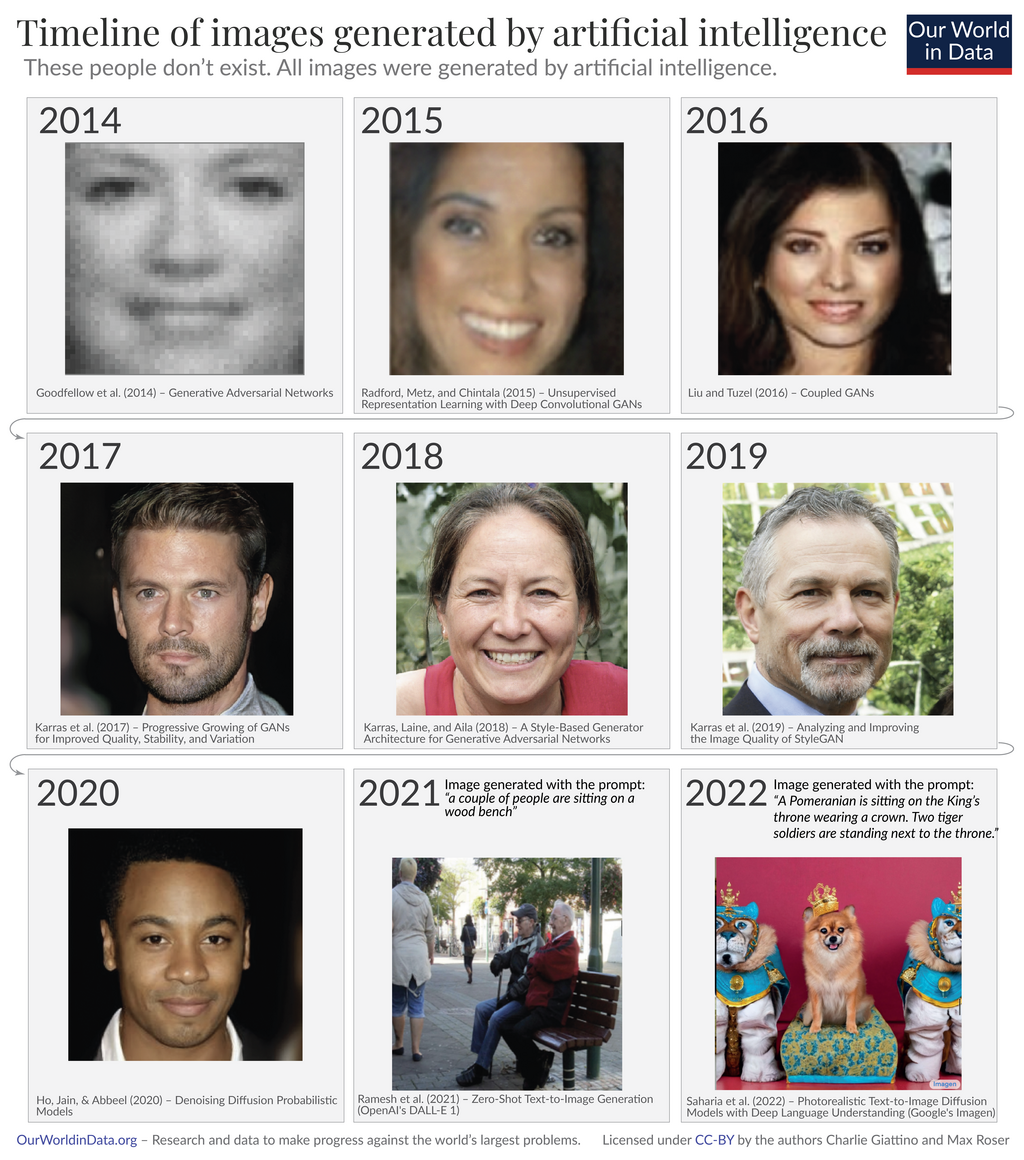
While the idea of manipulating images has been around since the dawn of photography, modern deepfake technology gained public attention around 2017. Early versions were often clumsy and easy to spot. But as the AI models became more powerful and access to data grew, the quality skyrocketed. Now, the most sophisticated deepfakes can be nearly impossible to distinguish from reality with the naked eye.
How They're Made
At the heart of many deepfakes is a technology called a generative adversarial network, or GAN. Think of it as two AIs working against each other.
One AI, the Generator, creates the fake image or video. Its job is to make the fake as convincing as possible.
The second AI, the Discriminator, acts as a detective. Its job is to spot the fakes. It compares the Generator's creations to real images of the person.
Initially, the Generator is terrible at its job, and the Discriminator easily spots the fakes. But every time the Discriminator rejects an image, the Generator learns from its mistakes and tries again. This cycle repeats millions of times, with both AIs getting smarter and better at their respective tasks. Eventually, the Generator becomes so good at creating fakes that the Discriminator can no longer reliably tell the difference.
This powerful technique can be used to swap faces in videos, create realistic but non-existent people, or make someone appear to say words they never spoke by syncing new audio to their lip movements.
Impact and Implications
The rise of deepfakes presents serious ethical challenges. While the technology has fun applications, like in film special effects or parody videos, it also has a dark side. Deepfakes can be used to create convincing misinformation, damage reputations, or even influence political events. They force us to question the authenticity of the digital content we see every day.
The core problem is that deepfakes erode our trust in audio and video evidence. When anything can be faked, it becomes harder to agree on a shared reality.
For example, a fake video of a CEO announcing a disastrous business decision could send stock prices plummeting. A fabricated audio clip of a politician could swing an election. On a personal level, deepfakes have been used to create non-consensual pornography, causing profound harm to individuals.
These concerns have led to a global conversation about how to manage this technology. Lawmakers, tech companies, and researchers are all grappling with the need to balance creative expression with the prevention of malicious use. The challenge lies in developing ways to detect and flag synthetic media without stifling innovation or free speech.
Time to check your understanding of these concepts.
The term "deepfake" is a blend of which two concepts?
In a Generative Adversarial Network (GAN), what is the primary role of the "Discriminator" AI?
Deepfakes represent a major shift in how digital content can be created and manipulated. Understanding what they are and the technology behind them is the first step toward navigating a world where seeing is no longer always believing.