Spotting Deepfakes and Misinformation
Understanding Deepfakes
What Are Deepfakes?
You’ve probably heard the term, but what exactly is a deepfake? In short, it’s a highly realistic, fabricated piece of media created using artificial intelligence.
Deepfakes are photos, videos, or audio clips that have been digitally created to show people saying and doing things that never happened.
The technology behind this is a form of AI called deep learning. Specifically, many deepfakes are made using a method called a generative adversarial network, or GAN. Think of it like a contest between two AIs. One AI, the “generator,” creates fake images or videos. The other AI, the “discriminator,” tries to spot the fakes.
This process repeats millions of times. The generator keeps getting better at making fakes, and the discriminator gets better at spotting them. Eventually, the generator becomes so good that its creations can fool a human eye or ear. The result is a video of a politician saying something they never said, or an audio clip of a CEO authorizing a fraudulent transaction.
From Hobby Project to Powerful Tool
Deepfake technology wasn't always so sophisticated. It first gained public attention in 2017 in online forums where hobbyists were swapping faces in videos. The early results were often clumsy and easy to spot. But AI technology evolves at an incredible pace.
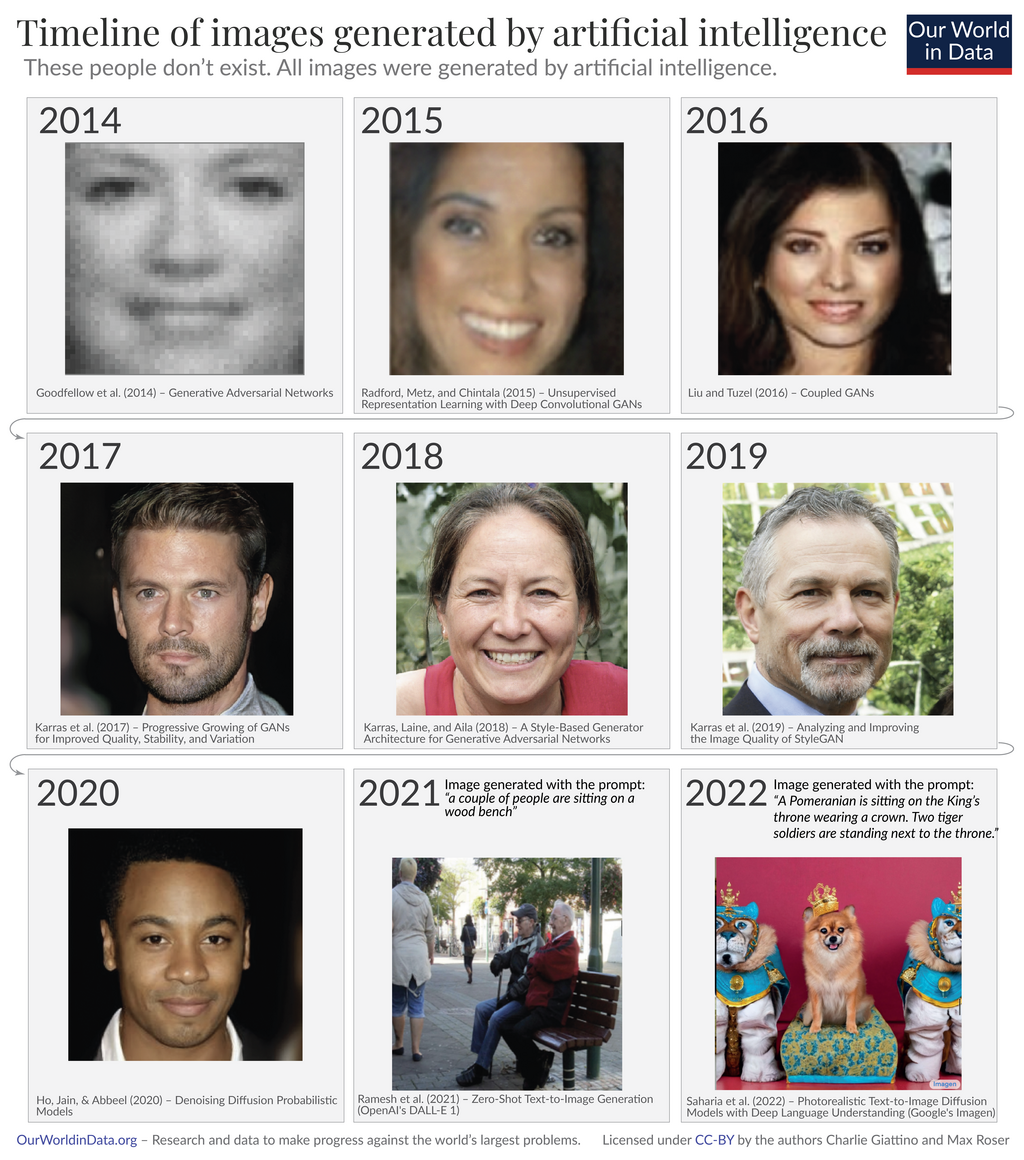
What once required specialized knowledge and powerful computers can now be done with user-friendly software or even mobile apps. This accessibility has put a powerful tool for manipulation into the hands of millions.
The bar for making deepfakes is worryingly low, with simple point-and-click programs built on top of AI algorithms already freely available.
The Impact of Fake Reality
The rise of deepfakes presents serious ethical challenges. They can be used to create convincing misinformation, defame individuals, create non-consensual pornography, or commit fraud. Imagine a fake video of a world leader declaring war, released just minutes before stock markets open. The potential for chaos is enormous.
This technology erodes our trust in what we see and hear. If any video or audio clip can be faked, how can we believe anything?
This leads to a phenomenon sometimes called the “liar’s dividend.” When people know that media can be faked, they can dismiss real evidence as a deepfake. This allows wrongdoers to escape accountability by simply claiming that authentic videos or recordings are forgeries.
While the technology can have harmless uses, like in film special effects or parody, its potential for misuse is a significant concern for the integrity of information in our society.
The core problem is not just that deepfakes can be used to create convincing lies, but that they undermine our ability to agree on a shared reality.
Understanding what deepfakes are and how they're made is the first step toward navigating a world where seeing is no longer always believing.