Spotting Deepfakes and Misinformation
Understanding Deepfakes
What Are Deepfakes?
Have you ever seen a video of a politician saying something outrageous, only to find out later it never happened? Or watched a movie where a long-deceased actor appeared on screen looking as young as ever? If so, you've likely encountered a deepfake.
Deepfakes are photos, videos, or audio clips that have been digitally created to show people saying and doing things that never happened.
The term “deepfake” is a blend of “deep learning” and “fake.” It refers to synthetic media created using powerful artificial intelligence techniques. The technology works by training an AI on a massive dataset of images or videos of a person. The AI then learns to mimic their likeness, voice, and mannerisms with stunning accuracy, allowing it to generate new content where that person appears to do or say anything the creator wants.
The concept first gained mainstream attention around 2017 when users on the social media platform Reddit began posting manipulated videos. Since then, the technology has advanced at a blistering pace, becoming more sophisticated and accessible to the public.
The Tech Behind the Trick
The core technology that powers most deepfakes is a type of machine learning called a generative adversarial network, or GAN. You can think of a GAN as two AIs locked in a contest.
One AI, the “generator,” creates the fake image or video. The other AI, the “discriminator,” acts as a detective, trying to spot whether the generator’s creation is real or fake. The generator keeps trying to fool the discriminator, and the discriminator keeps getting better at spotting fakes. This back-and-forth process continues thousands or even millions of times, with the generator becoming progressively better at creating convincing fakes until they are nearly indistinguishable from reality.
To do this, the AI needs a lot of data. The more photos, videos, and audio clips it has of a person, the more realistic the final product will be. This is why public figures, with their vast online presence, are often the targets of deepfakes.
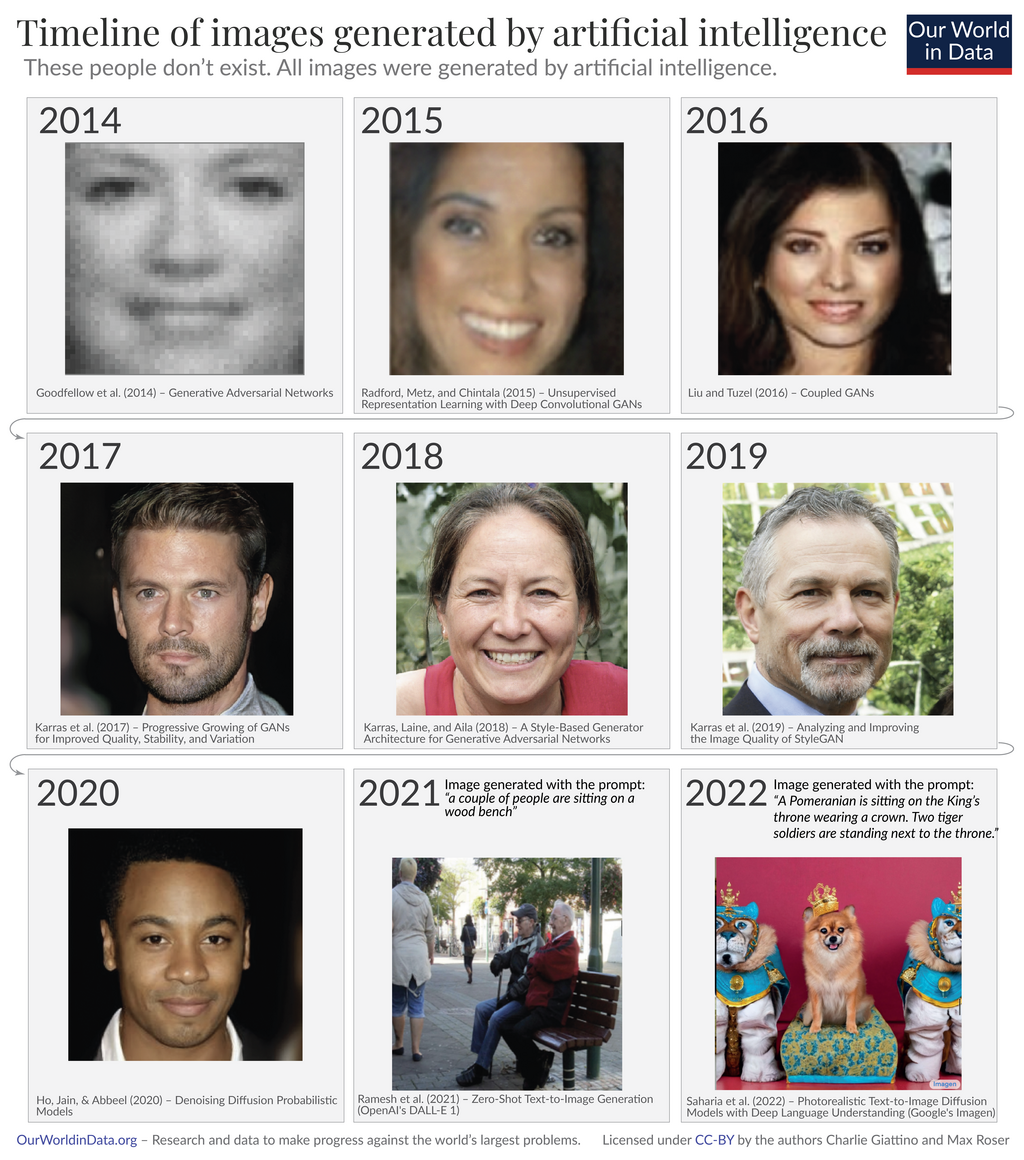
What once required specialized skills and powerful computers can now be done with apps and software available to anyone. This rapid progress has made it easier than ever to create synthetic media.
A Double-Edged Sword
Like any powerful tool, deepfake technology can be used for both good and ill. In the film industry, it’s used to de-age actors or even bring performers back to the screen posthumously. It has applications in education, allowing students to interact with historical figures, and in accessibility, where it can create realistic voices for people who have lost the ability to speak.
However, the potential for misuse is significant. Deepfakes can be a powerful tool for spreading disinformation, creating fake news reports, or fabricating evidence to manipulate public opinion and elections. They are also used to create non-consensual pornography, harass individuals, and commit fraud, such as impersonating a CEO in a video call to authorize fraudulent wire transfers.
This technology blurs the line between fact and fiction, making it increasingly difficult to know what to believe.
The Ripple Effect on Society
The rise of deepfakes poses a profound challenge to society. At its core, it erodes trust. When we can no longer believe our own eyes and ears, it becomes harder to agree on a shared reality. This phenomenon is sometimes called “reality apathy,” where people become so overwhelmed by the possibility of fakery that they stop trusting any media at all.
This creates a world where false narratives can spread unchecked and credible information can be dismissed as fake. The personal impact can be devastating, leading to reputational damage, emotional distress, and public shaming based on fabricated events. On a larger scale, it threatens democratic processes, journalism, and even personal relationships.
The increasing ease of creating deepfakes means that this is no longer a problem confined to Hollywood studios or expert researchers.
The bar for making deepfakes is worryingly low, with simple point-and-click programs built on top of AI algorithms already freely available.
As the technology becomes more widespread, understanding what it is and how it works is the first step in navigating this new and complex information landscape. Let's review what we've learned.
What does the term 'deepfake' primarily refer to?
The core technology behind most deepfakes is a Generative Adversarial Network (GAN), which consists of two competing AIs: the 'generator' and the ______.
Awareness is our best tool for dealing with the challenges posed by deepfakes. By understanding the technology and its implications, we can become more critical consumers of the media we encounter every day.