Spotting Deepfakes and Misinformation
Understanding Misinformation
Intent Makes a Difference
You've probably heard the terms misinformation, disinformation, and even "fake news" used interchangeably. They all point to a similar problem—false or inaccurate information spreading through society. But the key difference between them comes down to one thing: intent.
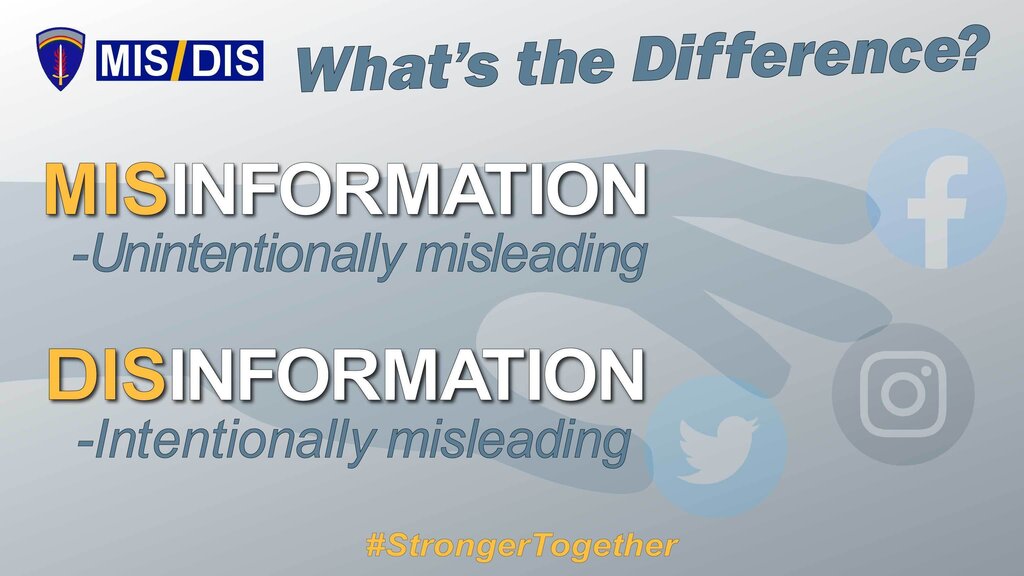
To get a handle on the modern media landscape, it helps to be precise. Experts often break down problematic information into three categories.
| Term | Definition | Example |
|---|---|---|
| Misinformation | False information that is spread, regardless of intent to mislead. | Your aunt shares an article claiming that chocolate cures cancer because she genuinely believes it and wants to help. |
| Disinformation | False information that is deliberately created and shared to cause harm. | A political operative creates a fake video of an opponent to swing an election. |
| Malinformation | Genuine information that is shared out of context to cause harm. | Someone leaks a public figure's private, embarrassing photos to damage their reputation. |
Think of it this way: misinformation is an honest mistake. Disinformation is a calculated lie. Malinformation is a malicious truth.
Why We Fall for It
Nobody likes to be wrong, so why is false information so effective? It’s not about intelligence. Our brains are wired with mental shortcuts, or cognitive biases, that help us process the world quickly. These shortcuts are useful, but they can also make us vulnerable.
One of the most powerful is confirmation bias. This is our tendency to favor information that confirms what we already believe. If you think a certain politician is corrupt, you’re more likely to believe a negative story about them, whether it’s true or not. You'll also be more likely to dismiss any information that contradicts your view.
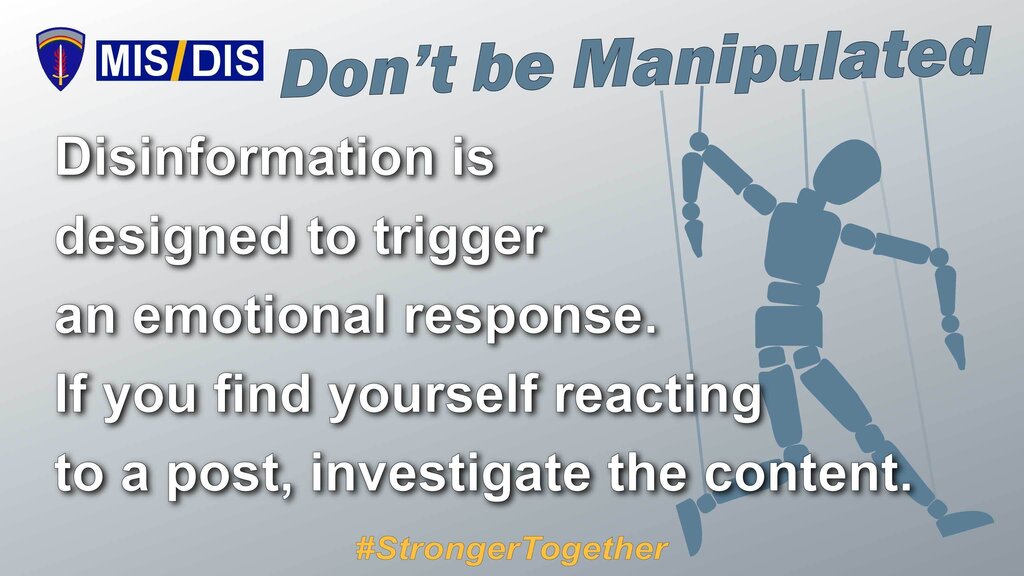
Disinformation often works by triggering a strong emotional response. When we're angry or afraid, our critical thinking skills take a backseat.
Another trick our minds play on us is the illusory truth effect. The more we see or hear something, the more likely we are to believe it's true. This is why you might see the same false headline pop up again and again on social media. The repetition makes it feel familiar and, therefore, more credible.
Finally, there's motivated reasoning. This is where we use our reasoning skills not to find the truth, but to defend a belief we're emotionally attached to. We become lawyers for our own ideas, cherry-picking evidence and finding flaws in opposing arguments, all to protect our worldview.
The Ripple Effect
Misinformation isn't just a personal problem; it has wide-ranging consequences for society. When false information spreads, it can erode trust in institutions like science, government, and the media. This makes it harder for us to work together to solve big problems.
In public health, misinformation about vaccines can lead to preventable outbreaks of disease. In politics, disinformation campaigns can polarize communities and even influence election outcomes. Socially, it can fuel hatred and division by creating false narratives about different groups of people.
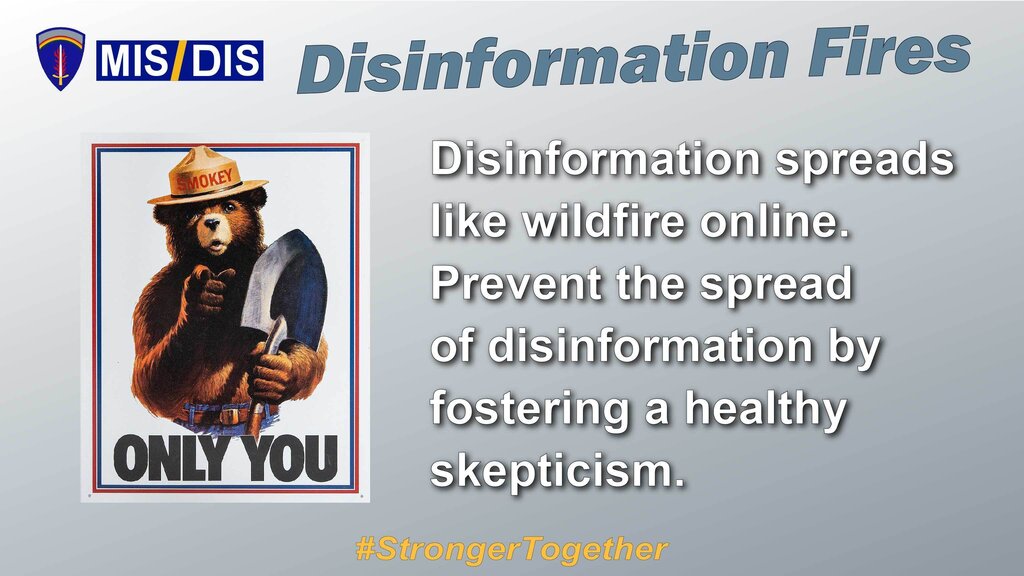
The spread of bad information isn't a victimless act. It weakens our shared sense of reality, making it more difficult to have productive conversations and maintain a healthy, functioning society.
Now that you understand the basics of misinformation, let's see what you've learned.
What is the key factor that distinguishes misinformation from disinformation?
An online article uses a real, private email from a political candidate, published without their consent, to damage their reputation. What category of problematic information does this best represent?
Understanding the what, why, and how of misinformation is the first step toward building resilience against it. By being aware of the different types of false information and our own cognitive biases, we can become more thoughtful and critical consumers of information.