Spotting Deepfakes and Misinformation
Understanding Misinformation
The Information Ecosystem
We're constantly swimming in a sea of information. Most of it is harmless, some of it is helpful, but a growing portion is problematic. Understanding the different kinds of faulty information is the first step toward navigating this environment safely.
The most common term you'll hear is misinformation. This is simply false or inaccurate information, regardless of intent. Someone sharing an old photo from a different event, genuinely believing it's from a current one, is spreading misinformation. They're not trying to cause harm; they're just mistaken.
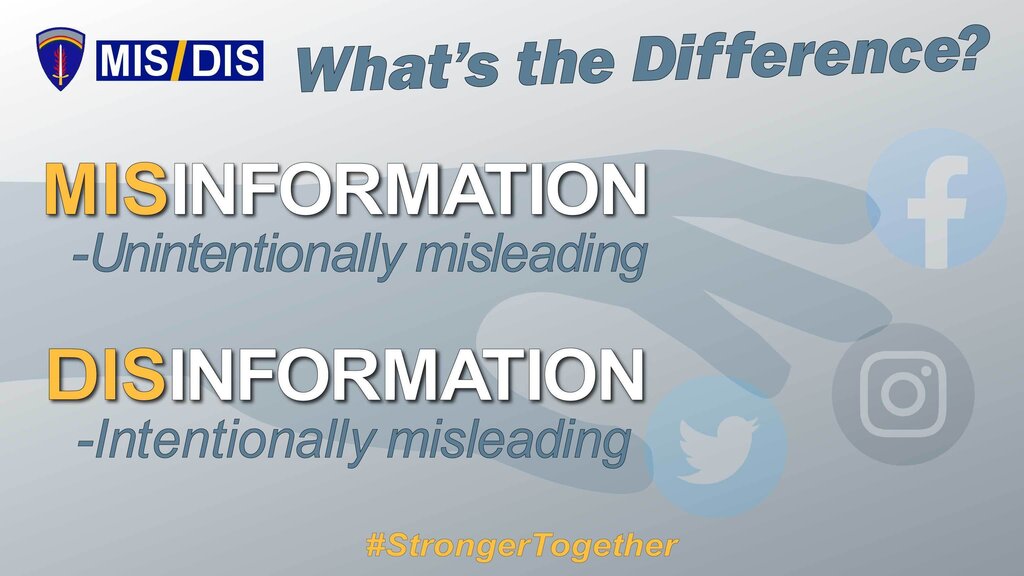
Then there's disinformation. This is false information that is deliberately created and shared to deceive people. The intent to mislead is the crucial difference. Think of a fake social media account created to spread rumors about a political candidate to influence an election. That's disinformation.
Finally, there's a third, more nuanced category: malinformation. This is information that is based on reality but is used out of context to mislead, harm, or manipulate. For example, publishing someone's private emails without their consent to damage their reputation is a form of malinformation. The information is technically true, but its release is intended to inflict harm.
| Term | Definition | Example |
|---|---|---|
| Misinformation | False information spread without intent to harm. | Your aunt shares a fake 'cure' for a common cold, believing it's real. |
| Disinformation | False information spread with the intent to harm. | A fake news site publishes a fabricated story to hurt a company's stock. |
| Malinformation | True information shared to cause harm. | A politician's private, embarrassing photos are leaked to the public. |
Why Our Brains Fall for It
It’s easy to think we're immune to false information, but our brains have built-in shortcuts that can make us vulnerable. These are called cognitive biases.
One of the most powerful is confirmation bias. This is our tendency to favor information that confirms our existing beliefs and to ignore information that contradicts them. If you believe a certain politician is corrupt, you're more likely to click on, believe, and share a negative story about them, whether it's true or not. It just feels right.
Cognitive Bias
noun
A systematic pattern of deviation from norm or rationality in judgment, whereby inferences about other people and situations may be drawn in an illogical fashion.
This bias creates an echo chamber. We surround ourselves with information and people that reflect our own views, and our beliefs become more rigid. Disinformation thrives in these environments because it doesn't need to be accurate; it just needs to validate what people already think.
Another related effect is the Dunning-Kruger effect, where people with low ability at a task overestimate their ability. In the context of misinformation, someone with very little knowledge on a complex topic might feel overly confident in their ability to spot falsehoods, making them more susceptible, not less.
We don't just passively receive information. Our minds actively filter it through our own experiences, emotions, and pre-existing beliefs.
The Ripple Effect
The consequences of misinformation are not just about being wrong. They can have serious psychological and societal impacts.
On an individual level, a constant barrage of conflicting and emotionally charged information can lead to anxiety, confusion, and a general sense of distrust. It becomes harder to know who or what to believe, leading to a feeling of powerlessness.
When this distrust scales up to a societal level, it can erode faith in major institutions like science, journalism, and government. This makes it difficult to solve large-scale problems. During a public health crisis, for example, disinformation about treatments or vaccines can have life-or-death consequences by discouraging people from following sound medical advice.
Misinformation also fuels social polarization. By reinforcing group identities and painting opposing views as illegitimate or dangerous, it deepens divides and makes compromise and conversation nearly impossible. People retreat further into their echo chambers, and the common ground we need to function as a society shrinks.
Now that you understand the different types of faulty information and why they're so effective, let's test your knowledge.
A political group edits a video clip of an opponent to make it seem like they said something damaging. The group knows the clip is misleading but shares it widely to influence an election. This is an example of:
Information that is based on reality but is shared out of context specifically to harm a person or group is known as __________.
Recognizing these patterns is a critical skill in today's digital world.