Spotting Deepfakes and Misinformation
Understanding Deepfakes
What Are Deepfakes?
You see a video of a politician saying something outrageous. It looks real, sounds real, but it never happened. This is the world of deepfakes: highly realistic, AI-generated media that can make people appear to say or do things they never did.
Deepfakes are photos, videos, or audio clips that have been digitally created to show people saying and doing things that never happened.
The term itself is a blend of "deep learning" and "fake." Deep learning is a type of machine learning where artificial neural networks, inspired by the human brain, learn from vast amounts of data. To create a deepfake, an AI is fed hours of video and audio of a person to learn their facial expressions, mannerisms, and voice.
deepfake
noun
A video, image, or audio recording that has been convincingly altered and manipulated to misrepresent someone as doing or saying something that was not actually done or said.
One of the most common techniques for creating deepfakes is using a Generative Adversarial Network, or GAN. A GAN has two parts that work against each other: a "Generator" and a "Discriminator."
The Generator creates the fake images or video frames. The Discriminator, which has been trained on real images of the person, tries to spot the fakes. The Generator keeps trying to create better fakes to fool the Discriminator. This back-and-forth process continues until the generated content is so realistic it becomes indistinguishable from the real thing.
While the term "deepfake" entered the mainstream lexicon around 2017, the technology has evolved at a startling pace. Early deepfakes were often glitchy and easy to spot. Today, they can be nearly flawless.
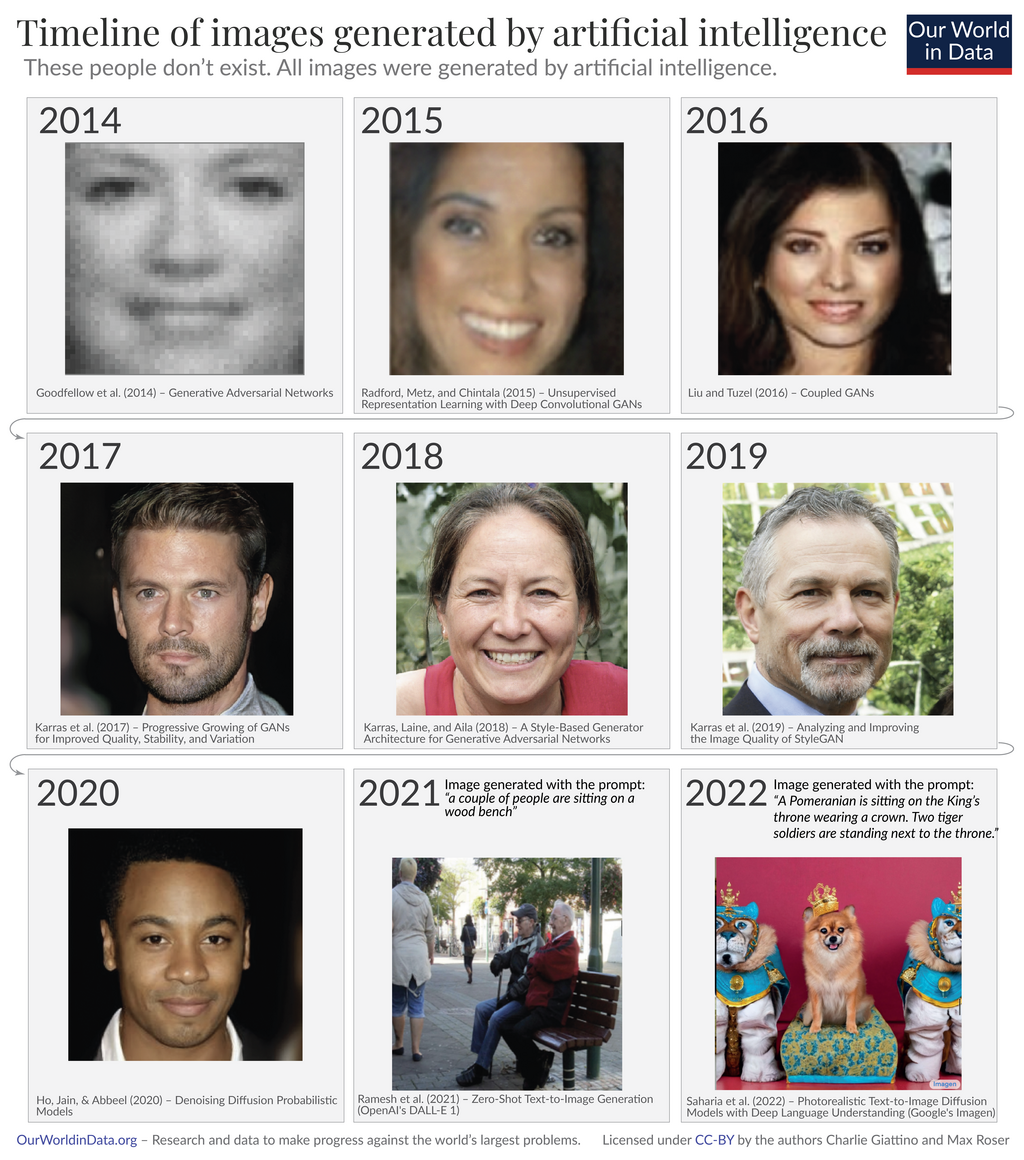
More Than Just Fake Videos
Deepfake technology isn't inherently bad. It has several positive and creative applications. In filmmaking, it can be used to de-age actors or seamlessly dub dialogue into different languages. Artists use it to create new forms of expression. The technology can also help create realistic avatars for virtual reality or restore the voices of people who have lost the ability to speak.
However, the potential for misuse is significant. Deepfakes are a powerful tool for creating convincing misinformation. Fabricated videos of world leaders could spark political unrest, and fake audio clips can be used in scams to impersonate family members in distress. They can also be used to create fake celebrity endorsements or manipulate stock prices.
One of the most damaging uses is the creation of non-consensual pornography, where a person's face is digitally added to explicit material. This has become a widespread form of online harassment and abuse.
Eroding Trust
Beyond any single fake video, the very existence of this technology poses a threat to our shared sense of reality. When any audio or video can be faked, it becomes harder to trust what we see and hear. This erosion of trust has profound implications for journalism, politics, and our legal system.
This phenomenon creates what's known as the "liar's dividend." In a world where anything can be faked, someone caught on camera doing something wrong can simply claim the video is a deepfake, making it harder to hold people accountable for their actions.
The more insidious impact of deepfakes, along with other synthetic media and fake news, is to create a zero-trust society, where people cannot, or no longer bother to, distinguish truth from falsehood.
Understanding what deepfakes are and how they're made is the first critical step. This technology is becoming more accessible and sophisticated, making it a permanent part of our digital landscape. Being aware of its potential, both for good and ill, is essential for navigating the modern information environment.