Spotting Deceptive UX Design
Introduction to Dark Patterns
What Are Dark Patterns?
Have you ever tried to unsubscribe from an email list, only to find yourself clicking through a maze of confusing options? Or maybe you've signed up for a free trial and later discovered it was surprisingly difficult to cancel. If these experiences feel familiar, you've likely encountered a dark pattern.
Dark patterns are design choices that deliberately manipulate users into making decisions that benefit the business, often at the user’s expense.
A dark pattern isn't a simple design mistake or a bug. It's an intentional choice. Designers use knowledge of human psychology—our habits, our assumptions, our tendency to skim—to create interfaces that trick us into doing things we don't mean to, like buying more than we want or sharing personal data we'd rather keep private. The design is carefully crafted to nudge, mislead, or coerce you into an action that benefits the company.
Think of it as the opposite of good user experience (UX) design, which aims to make things clear, easy, and pleasant for the user.
A Bit of History
The term "dark pattern" was coined in 2010 by UX designer Harry Brignull. As the internet grew from a space for information into a massive marketplace, the pressure to drive sales, clicks, and sign-ups intensified. Some companies began to prioritize business metrics over the user's well-being.
This created a shift. Instead of just making a website easy to use, some designers were asked to make it persuasive. While persuasion itself isn't necessarily bad—like a helpful store clerk pointing you to a good deal—it crosses a line when it becomes deceptive. Dark patterns are on the deceptive side of that line. They leverage cognitive biases to guide users toward choices they might not otherwise make if the options were presented clearly and honestly.
The Ethical Problem
The core issue with dark patterns is the violation of trust. When a user interacts with a website or app, there's an unspoken assumption that the interface will be straightforward. Dark patterns break this trust by intentionally creating confusion or friction.
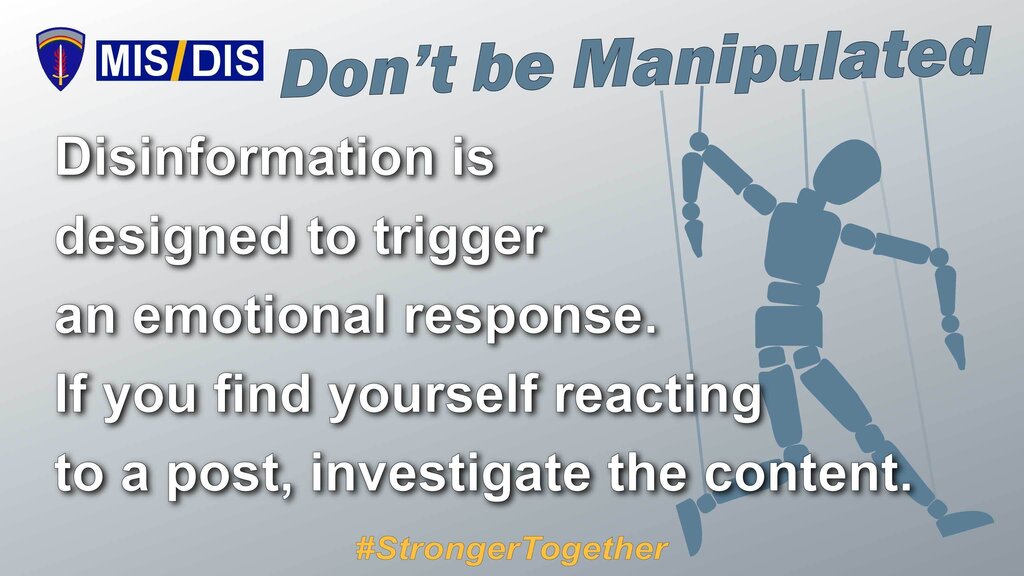
This manipulation undermines a user's autonomy. Good design respects a user's ability to make an informed choice. Dark patterns do the opposite; they obscure information and make it difficult to understand the consequences of an action. This can lead to feelings of frustration, regret, and helplessness.
Ethical design, on the other hand, empowers users. It is transparent, honest, and puts the user's needs first. It builds long-term relationships based on respect rather than aiming for short-term gains through trickery.
To avoid dark patterns, prioritize transparency and user empowerment in all design decisions.
Understanding what dark patterns are is the first step toward recognizing them in the wild. By being aware of these manipulative techniques, you can make more conscious decisions as you navigate the digital world.