Spotting Dark UX Patterns
Introduction to Dark Patterns
What Are Dark Patterns?
Have you ever tried to unsubscribe from an email list, only to find the “unsubscribe” link hidden in tiny, light-gray text at the bottom of the page? Or maybe you signed up for a free trial, and when it ended, you were automatically charged because canceling was a confusing, multi-step process. If these experiences feel familiar, you've encountered a dark pattern.
Dark patterns are design choices that deliberately manipulate users into making decisions that benefit the business, often at the user’s expense.
These aren't just poor design choices or honest mistakes. They are carefully crafted interfaces that exploit human psychology to trick you into doing things you didn't intend to do, like buying more than you wanted or giving away your personal data.
The term was coined in 2010 by user experience (UX) designer Harry Brignull. He started a website to name and shame companies using these deceptive tactics, bringing widespread attention to the issue. His work gave users and designers a shared language to talk about manipulative design.
Design vs. Deception
Good UX design aims to make a user's interaction with a product easy, efficient, and pleasant. It guides users and helps them achieve their goals. Persuasive design is a part of this, using psychology to encourage certain actions, like highlighting a recommended subscription plan.
Dark patterns cross the line from persuasion into deception. They prioritize a company's goals over the user's, often by creating friction, confusion, or a false sense of urgency. When a user feels tricked or misled by a design, trust is broken. This can damage a brand's reputation and lead to customer resentment.
Dark patterns are inherently unethical, eroding trust between users and companies.
The core ethical problem is the lack of informed consent. A user should be able to make decisions based on clear, honest information. Dark patterns obscure choices and manipulate emotions, undermining the user's ability to act in their own best interest.
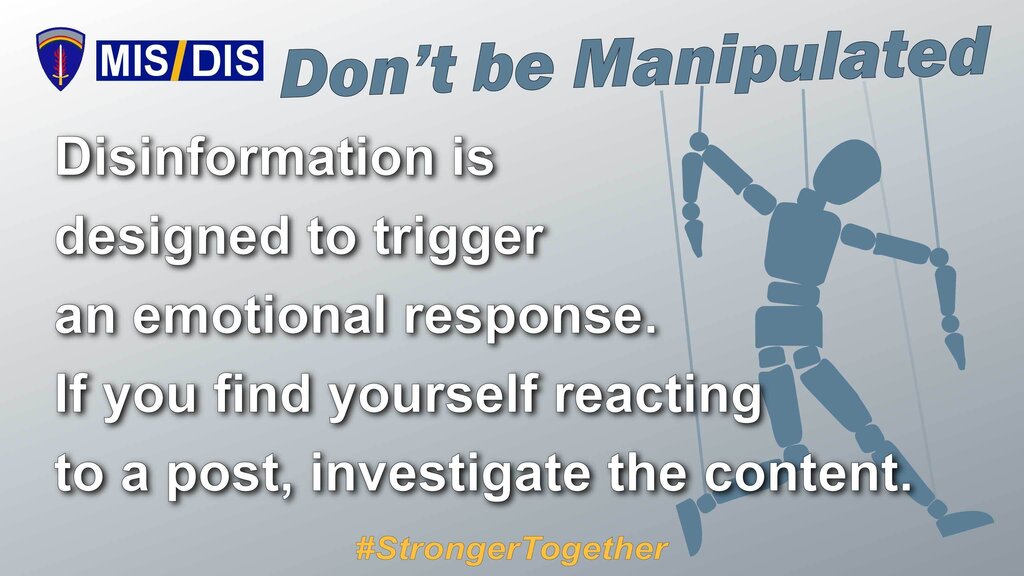
Now that you understand the fundamentals of dark patterns, let's test your knowledge.
What is the primary purpose of a dark pattern in user interface design?
Who coined the term 'dark pattern' in 2010?
Recognizing the difference between ethical persuasion and unethical manipulation is the first step toward navigating the digital world more consciously.