Spotting Dark Patterns in UX
Introduction to Dark Patterns
What Are Dark Patterns?
Have you ever tried to unsubscribe from an email list, only to find yourself in a maze of confusing options and buttons? Or maybe you've signed up for a service and later discovered you agreed to extra charges you don't remember seeing. These experiences are often not accidents. They are the result of carefully crafted design choices known as dark patterns.
Dark patterns are design choices that deliberately manipulate users into making decisions that benefit the business, often at the user’s expense.
The term was coined in 2010 by user experience (UX) designer Harry Brignull to describe interfaces intentionally designed to trick users. Unlike a poorly designed interface, which is simply confusing, a dark pattern is deliberately deceptive. It’s a design that works against the user's interests, pushing them toward an outcome they didn't want.
The Psychology of Deception
Dark patterns are effective because they exploit common human psychological tendencies. Our brains rely on mental shortcuts, or heuristics, to make decisions quickly without having to analyze every detail. While these shortcuts serve us well in most situations, they can also be used to nudge us in certain directions.
For example, designers might leverage cognitive biases such as:
- Urgency and Scarcity: Creating a false sense of urgency (e.g., "Offer ends in 5 minutes!") or scarcity (e.g., "Only 2 left in stock!") pressures you to act quickly before you can fully consider your decision.
- Loss Aversion: We tend to feel the pain of losing something more strongly than the pleasure of gaining something of equal value. Designs can exploit this by framing choices in terms of potential losses, making you more likely to agree to something to avoid missing out.
- Social Proof: Humans are social creatures who often look to others to guide their behavior. Dark patterns can create the illusion of popularity (e.g., "15 people just bought this!") to make an option seem more attractive.
By understanding these psychological triggers, designers can create interfaces that subtly guide users toward actions that benefit the business, even if it's not what the user truly wants.
The Cost of Deception
While dark patterns might lead to short-term gains like increased sign-ups or sales, they come at a significant long-term cost: user trust. When users feel tricked or manipulated, they lose confidence in the service or brand. This erosion of trust can be difficult, if not impossible, to repair.
A user who feels deceived is less likely to become a loyal customer, recommend the service to others, or engage with the brand in the future. They may even actively share their negative experience, damaging the company's reputation.
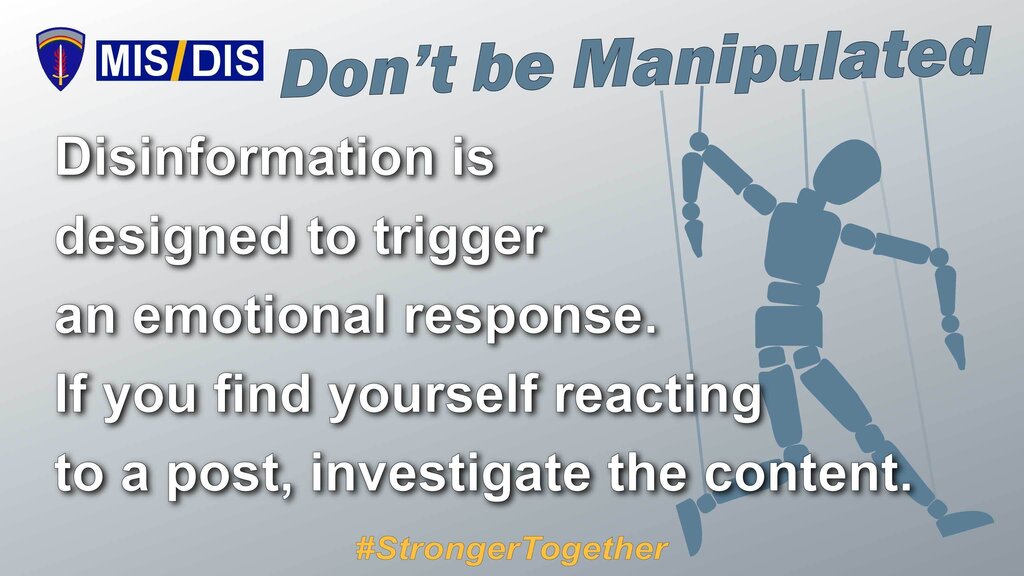
This raises important ethical questions for designers and businesses. Ethical design prioritizes the user's well-being and autonomy. It aims to empower users by providing clear, honest choices. Dark patterns do the opposite. They prioritize business metrics over the user's right to make an informed decision, creating a frustrating and often harmful digital environment.
Now, let's check your understanding of these foundational concepts.
What is the primary characteristic that distinguishes a dark pattern from a simply poorly designed user interface?
An online store displays a message saying, "Warning: This popular item is almost out of stock! Only 2 left." This is an example of a dark pattern exploiting which cognitive bias?
Recognizing the what, why, and how of dark patterns is the first step toward promoting more transparent and user-friendly digital spaces.