Spotting Dark Patterns in UX
Introduction to Dark Patterns
Designs That Deceive
Have you ever tried to unsubscribe from an email list, only to find yourself clicking through a confusing maze of options? Or maybe you've signed up for a free trial and later discovered it was surprisingly difficult to cancel. These experiences aren't accidents. They are often the result of carefully crafted design choices known as dark patterns.
A dark pattern is a user interface that has been carefully crafted to trick users into doing things, such as buying insurance with their purchase or signing up for recurring bills.
The term was coined in 2010 by UX designer Harry Brignull. He started cataloging these deceptive practices to raise awareness among consumers and designers. The core idea is simple: instead of helping the user, the design works against them, pushing them toward choices they might not otherwise make. These patterns exploit common knowledge of how people scan websites and interact with digital interfaces, turning user habits into vulnerabilities.
The Erosion of Trust
The use of dark patterns is fundamentally an ethical issue. Good design should empower users by making information clear and choices straightforward. Dark patterns do the opposite. They create friction, confusion, and frustration, prioritizing a company's business goals over the user's well-being and autonomy.
When users realize they've been misled, it damages their trust in the product and the company behind it. A short-term gain, like a new subscription or an extra item in a shopping cart, can lead to long-term customer loss. A frustrating experience is memorable for all the wrong reasons.
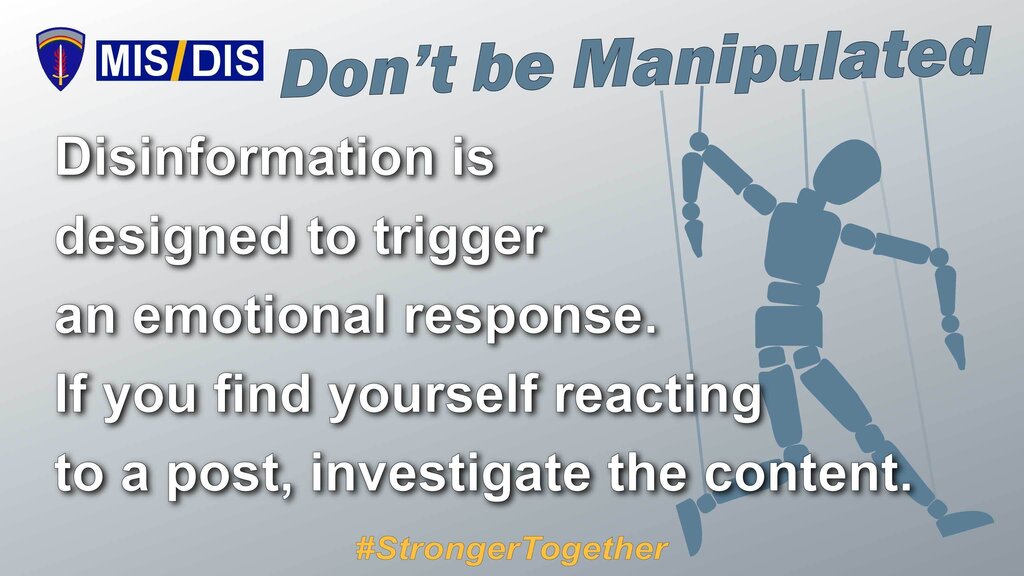
Ethical design, by contrast, is transparent. It respects the user's intelligence and right to make informed decisions. It involves providing clear options, making important information easy to find, and ensuring that pathways to cancel or opt-out are just as simple as those to sign up. This approach builds loyalty and fosters a positive relationship between the user and the service.
Dark UX patterns are design techniques used to deceive or manipulate users into making decisions that serve the interests of a business, even if it’s not in the user’s best interest.
Understanding the existence and purpose of dark patterns is the first step toward recognizing them. Let's test what you've learned so far.
What is the primary purpose of a "dark pattern" in user experience design?
Who first defined and cataloged the deceptive practices known as "dark patterns"?
By being aware of these manipulative tactics, both users and designers can advocate for more honest and user-friendly digital environments.