Spotting Dark Patterns in UX
Introduction to Dark Patterns
What Are Dark Patterns?
Have you ever tried to unsubscribe from an email list, only to find the “unsubscribe” button nearly invisible? Or maybe you've signed up for a free trial and later discovered you were automatically enrolled in a paid subscription that's incredibly difficult to cancel. These aren't accidents; they're deliberate design choices.
Dark UX patterns are design techniques used to deceive or manipulate users into making decisions that serve the interests of a business, even if it’s not in the user’s best interest.
These deceptive tricks are known as dark patterns. The term was coined in 2010 by user experience (UX) designer Harry Brignull. He noticed a growing trend of interfaces that were intentionally designed to mislead people. Instead of helping users, these designs exploit common human behaviors and psychological tendencies to benefit the company.
dark pattern
noun
A user interface that has been carefully crafted to trick users into doing things they wouldn't normally do, such as buying insurance with their purchase or signing up for recurring bills.
Why They Matter
Dark patterns work by exploiting our expectations. We assume that a website or app is designed to be helpful and straightforward. When a button is large and colorful, we assume it's the primary, recommended action. Dark patterns use these assumptions against us, guiding us toward choices we might not have made otherwise.
The core characteristic of a dark pattern is deception. It creates a conflict between the company's goals and the user's goals. While a company might see a short-term gain, like a higher subscription rate, the long-term cost is significant.
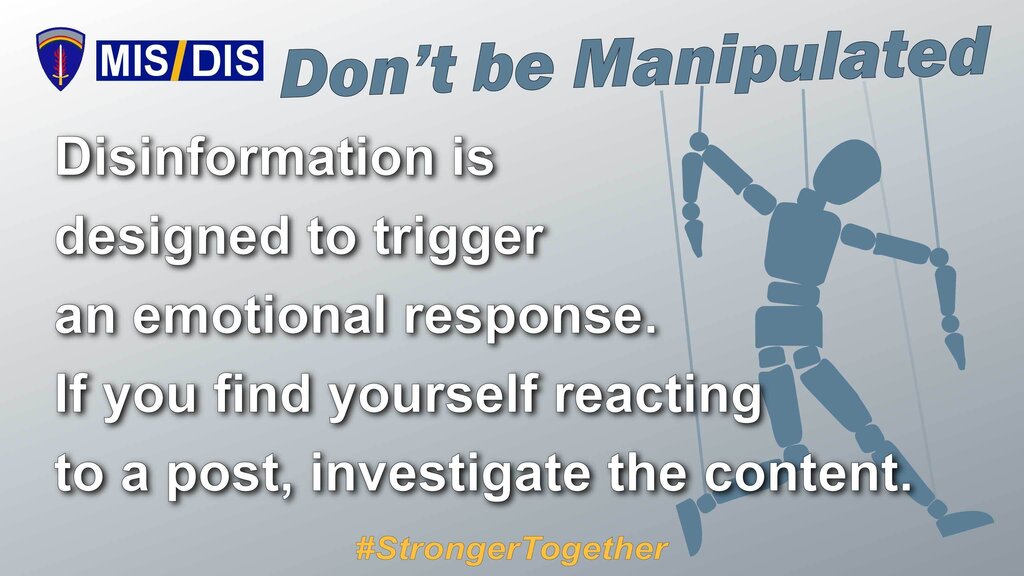
When users realize they've been tricked, they lose trust. This erosion of trust can permanently damage a company's reputation. A user who feels manipulated is unlikely to become a loyal customer.
Ethical UX design is about empowering users, not tricking them. It focuses on creating clear, honest, and intuitive experiences that help people accomplish their goals. The line between persuasion (like highlighting a popular product) and manipulation (like hiding extra costs) is what separates good design from dark patterns.
Good design helps users. Dark patterns exploit them.
Now that you have a foundational understanding of what dark patterns are, let's test your knowledge.
What is the primary characteristic of a dark pattern in UX design?
The term 'dark patterns' was coined in 2010 by user experience (UX) designer __________.
Recognizing the concept of dark patterns is the first step. Next, we'll explore the specific types you're likely to encounter.