Spotting Bad Arguments Logical Fallacies
Introduction to Logical Fallacies
What Are Logical Fallacies?
Have you ever listened to an argument and felt that something was off, but you couldn't quite put your finger on it? Chances are, you were sensing a logical fallacy. A logical fallacy is essentially an error in reasoning. It's a flaw in an argument's structure that makes it invalid, even if the conclusion happens to be true.
Think of a logical fallacy as a crack in the foundation of a house. The house might still be standing, but the structure is weak and unreliable.
These errors aren't always intentional. Sometimes people make them by mistake. Other times, they are used deliberately to manipulate or persuade. Regardless of intent, a fallacious argument doesn't hold up to scrutiny because its conclusion isn't properly supported by its premises.
fallacy
noun
A mistaken belief, especially one based on unsound argument.
Why Spotting Fallacies Matters
Recognizing logical fallacies is a fundamental skill for clear thinking. It helps you evaluate the arguments you encounter every day, from advertisements and political speeches to discussions with friends and family. By identifying these flaws, you can avoid being misled by faulty reasoning.
This skill isn't just about pointing out flaws in others' arguments. It's also about strengthening your own. When you understand common fallacies, you can check your own thinking to make your arguments more logical, coherent, and persuasive.
As young people engage in conversations about political, social or cultural issues, they need to be able to recognize logical fallacies — not just when others use them, but when they’re framing their own arguments.
A Quick Look at Common Fallacies
There are dozens of logical fallacies, each with its own name and structure. You don't need to memorize them all at once, but becoming familiar with a few of the most common ones is a great start. These fallacies often appear in five broad categories: fake experts, logical fallacies, impossible expectations, cherry picking, and conspiracy theories.
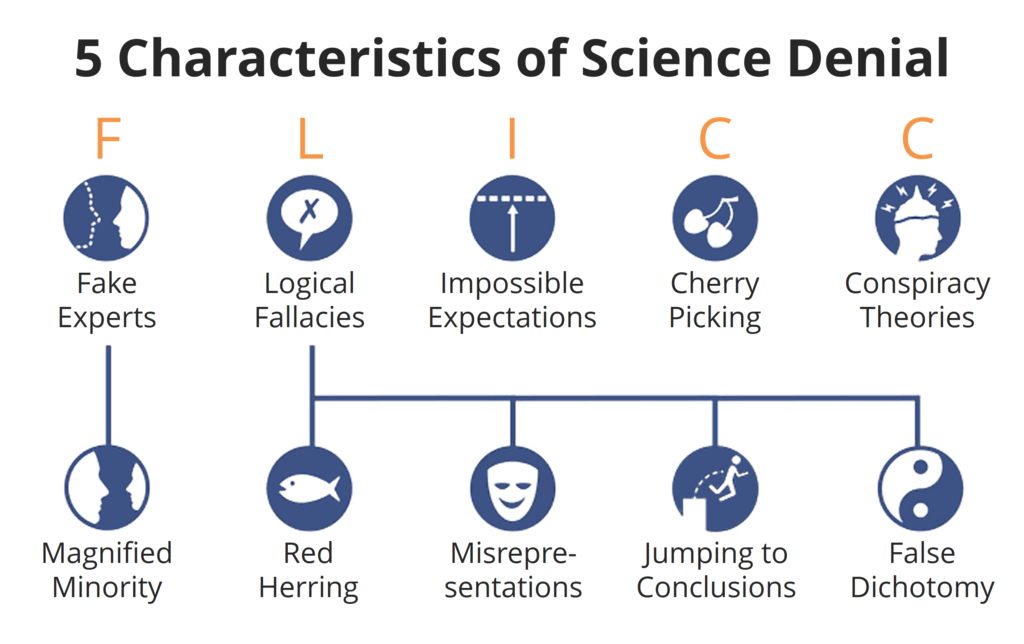
Let's briefly touch on a few specific types you might encounter.
Ad Hominem: This fallacy occurs when someone attacks the person making an argument instead of addressing the argument itself. For example, saying "You can't trust her opinion on city planning, she's never even owned a house."
Straw Man: This involves misrepresenting someone's argument to make it easier to attack. If someone says, "I think we should invest more in public transit," and another person responds with, "So you want to ban all cars and force everyone onto buses?" that's a straw man.
Slippery Slope: This is the claim that a relatively small first step will inevitably lead to a chain of related, negative events. For instance: "If we let students retake this test, they'll expect to retake every test, and soon they'll stop studying altogether."
Learning to spot these and other fallacies is the first step toward becoming a more critical thinker. It empowers you to see through weak arguments and build stronger ones yourself.