Spotting a Ponzi Scheme
Understanding Investment Fraud
What Is Investment Fraud?
Investment fraud is a deceptive practice that tricks investors into making financial decisions based on false information. The goal is simple: to enrich the fraudster by taking your money. These schemes often come disguised as legitimate, once-in-a-lifetime investment opportunities.
At its core, investment fraud is the act of misrepresenting or lying about an investment to get someone's money.
Fraudsters might promise high returns with little to no risk, which is a classic red flag. They might use fake testimonials, create professional-looking websites, or pressure you to act quickly. The common thread is deception. They are selling a story, not a real opportunity.
Common Types of Scams
Investment fraud comes in many forms, but some types are more common than others. While they operate differently, they all rely on misleading investors for the scammer's gain. Here are a few key examples you might encounter.
| Scheme | Description |
|---|---|
| Ponzi Scheme | Uses funds from new investors to pay returns to earlier investors, rather than from legitimate investment profits. |
| Pyramid Scheme | Relies on recruiting new members to make money, with little or no focus on an actual product or service. |
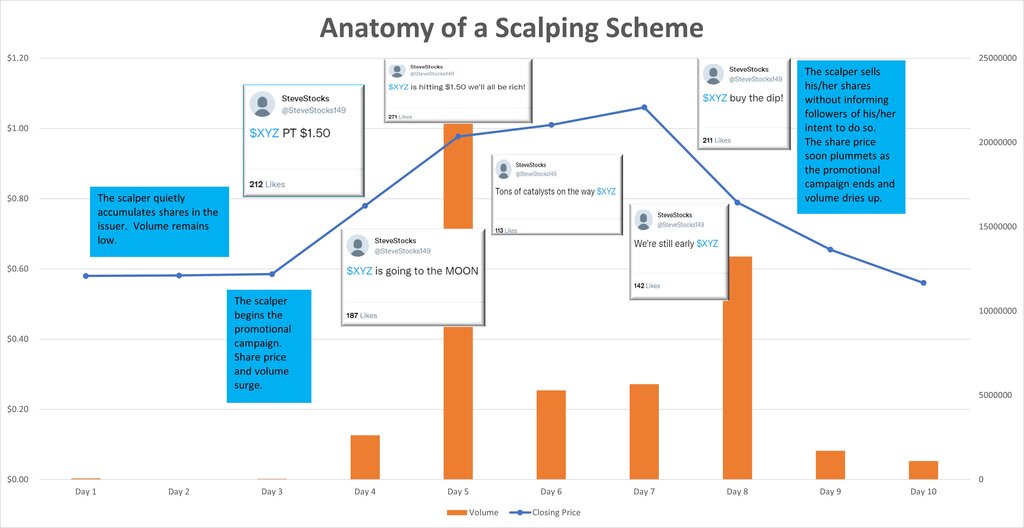
| Pump-and-Dump | Artificially inflates the price of a stock through false statements, then sells the cheaply purchased shares at a high price. |
| Advance-Fee Fraud | A scammer asks for a fee upfront with the promise of delivering a large sum of money, a product, or a service later, which never materializes. |
Pump-and-dump schemes are especially common with microcap stocks, also known as "penny stocks," because their low trading volumes make them easier to manipulate. The promoters hype the stock, often through social media or email blasts, wait for the price to jump, and then sell their holdings, causing the stock to crash.
The Ripple Effect of Fraud
The impact of investment fraud extends far beyond the initial financial loss. For an individual, it can be devastating. Victims often lose life savings, retirement funds, or money set aside for a child's education. The emotional toll, including feelings of shame and betrayal, can be just as damaging as the monetary loss.
Beyond the individual, investment fraud erodes trust in the entire financial system. When people feel that the markets are rigged or unsafe, they become hesitant to invest.
This hesitation can slow down economic growth. Legitimate businesses rely on investors to raise capital for expansion, innovation, and job creation. When trust is low, it becomes harder for honest companies to get the funding they need to grow. In this way, a single act of fraud can have wide-ranging consequences for the economy as a whole.