Spot Deepfakes and Misinformation
Understanding Deepfakes
What Are Deepfakes?
You see a video of a politician saying something outrageous. It looks real, sounds real, and is spreading like wildfire online. But it never happened. Welcome to the world of deepfakes.
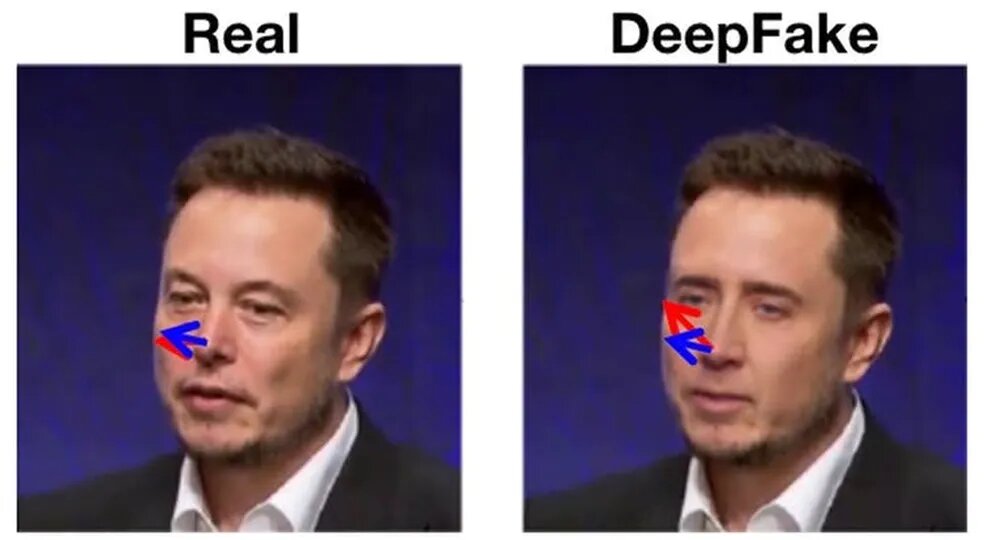
Deepfakes are synthetic media where a person in an existing image or video is replaced with someone else's likeness. The term is a blend of "deep learning," a type of artificial intelligence, and "fake." These aren't just clumsy photo edits; they are sophisticated fabrications created by AI systems.
Deepfakes are photos, videos, or audio clips that have been digitally created to show people saying and doing things that never happened.
Using AI, a creator can swap faces, manipulate facial expressions, synthesize voices, and make it appear that someone did or said something they never did. The results can be shockingly realistic, making it difficult to distinguish authentic content from a fabrication.
How They're Made
The magic behind most deepfakes is a technology called a generative adversarial network, or GAN. It sounds complicated, but the idea is fairly simple. A GAN consists of two competing neural networks: a Generator and a Discriminator.
Imagine an art forger (the Generator) trying to create a perfect replica of a famous painting. A sharp-eyed art detective (the Discriminator) is tasked with spotting the forgeries. The Generator creates a fake, and the Discriminator, which has studied thousands of real paintings, decides if it's authentic or not. At first, the Generator's fakes are sloppy. But with each piece of feedback from the Discriminator, it gets better and better. This process repeats millions of times.
Eventually, the Generator becomes so skilled that the Discriminator can no longer reliably tell the difference. The same process can be applied to audio and video. By feeding the AI thousands of images and sound clips of a person, the system learns to replicate their likeness and voice with uncanny accuracy.
Applications and Impact
Deepfake technology isn't inherently bad. It has legitimate uses in the film industry for de-aging actors or creating realistic voiceovers in different languages. Artists and creators use it for satire and social commentary. However, the potential for misuse is significant.
Malicious deepfakes are used to create political misinformation, commit fraud by impersonating someone over the phone, and generate fake celebrity endorsements. This technology poses a serious threat to our ability to trust what we see and hear online.
The most dangerous aspect of deepfakes isn't just that they can be used to create convincing lies. It's that they can make people doubt the truth.
This phenomenon is sometimes called the "liar's dividend." When people know that fake video and audio exist, it becomes easier for bad actors to dismiss genuine evidence of their wrongdoing as a deepfake. This erodes trust not just in individuals, but in institutions like journalism and government. If anything can be faked, what can we believe?
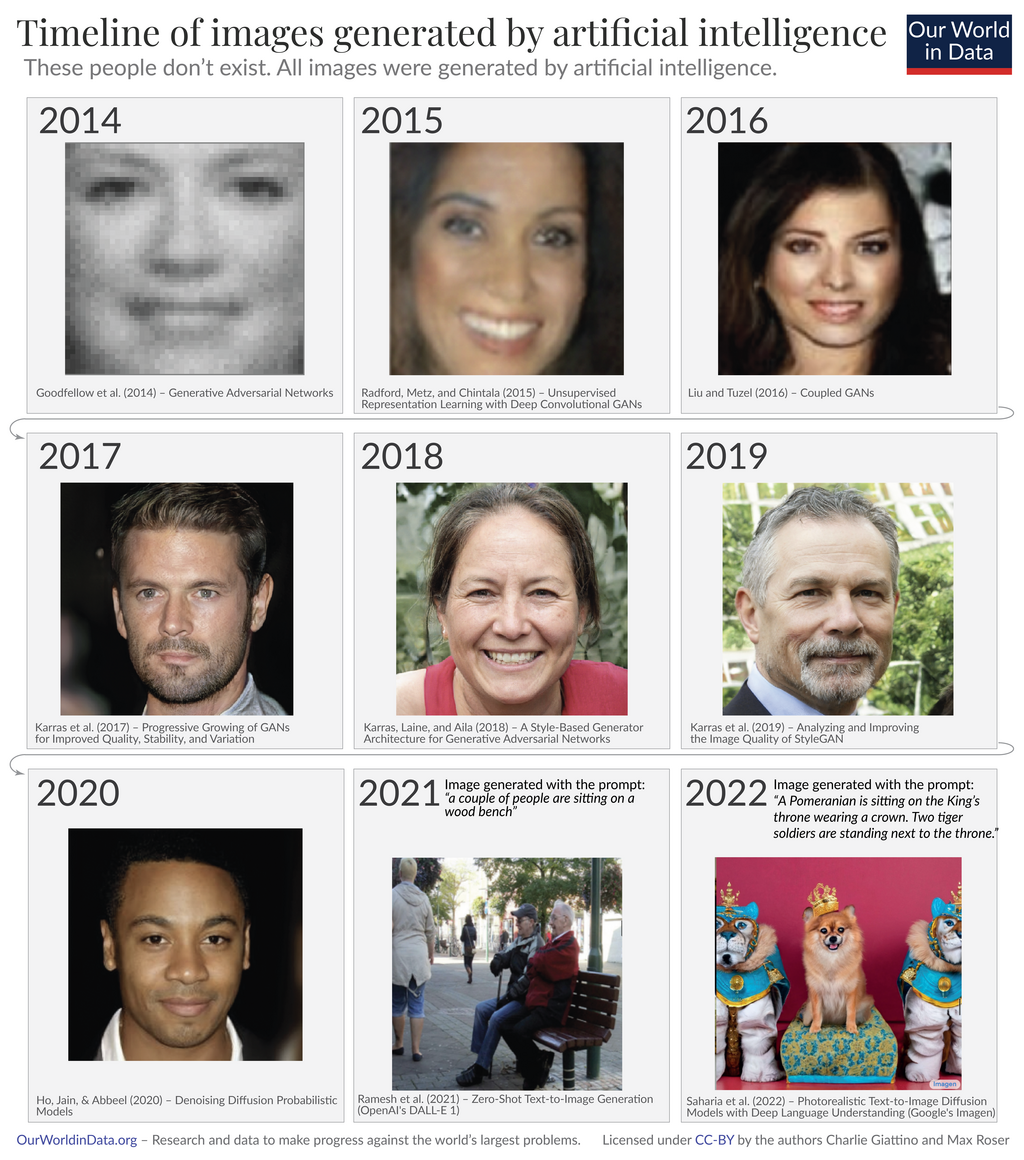
Understanding what deepfakes are and how they're created is the first step in navigating a digital world where seeing is no longer always believing.