Spot Deepfakes and Misinformation
Understanding Deepfakes
What Are Deepfakes?
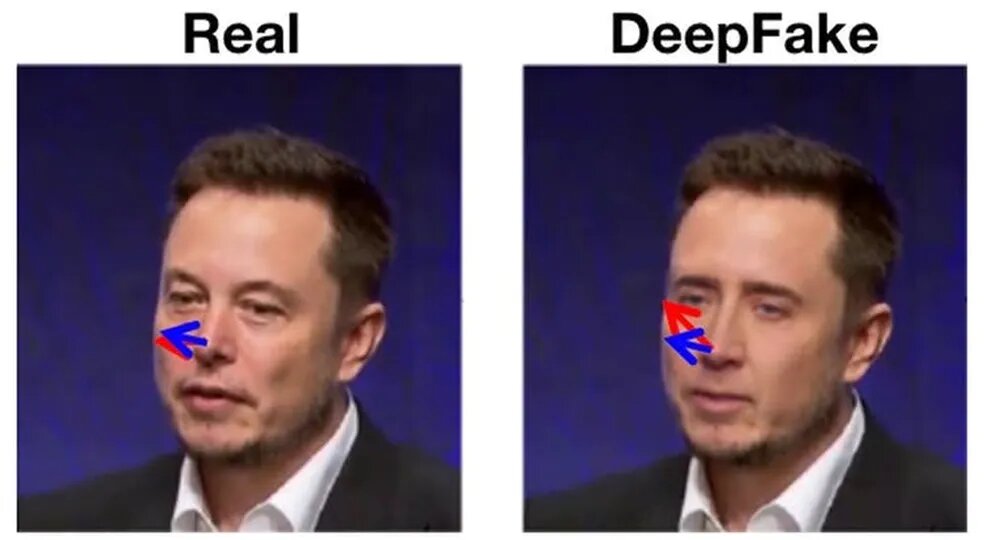
Imagine a video of a politician giving a speech they never gave, or an audio recording of a CEO making a statement that never happened. This is the world of deepfakes, a technology that uses artificial intelligence to create convincing but fake media.
Deepfakes are photos, videos, or audio clips that have been digitally created to show people saying and doing things that never happened.
The term is a blend of "deep learning," a type of AI, and "fake." At its core, the technology swaps one person's face or voice onto another's body or recording with startling realism. Think of it like a highly advanced form of digital puppetry where the puppet looks and sounds exactly like a real person.
A Brief History
The term "deepfake" first appeared on the social media site Reddit in 2017, but the technology behind it has been developing for years. The key breakthrough was the development of Generative Adversarial Networks, or GANs.
GAN
noun
A type of machine learning model where two neural networks, a 'generator' and a 'discriminator,' compete against each other to produce more realistic artificial outputs.
You can think of a GAN as a contest between two AIs: an art forger (the generator) and an art critic (the discriminator). The forger creates fake images and tries to pass them off as real. The critic's job is to spot the fakes. Each time the critic successfully identifies a fake, the forger learns from its mistake and creates a better forgery next time. This cycle repeats millions of times, with both AIs getting progressively better until the forger's creations are virtually indistinguishable from the real thing.
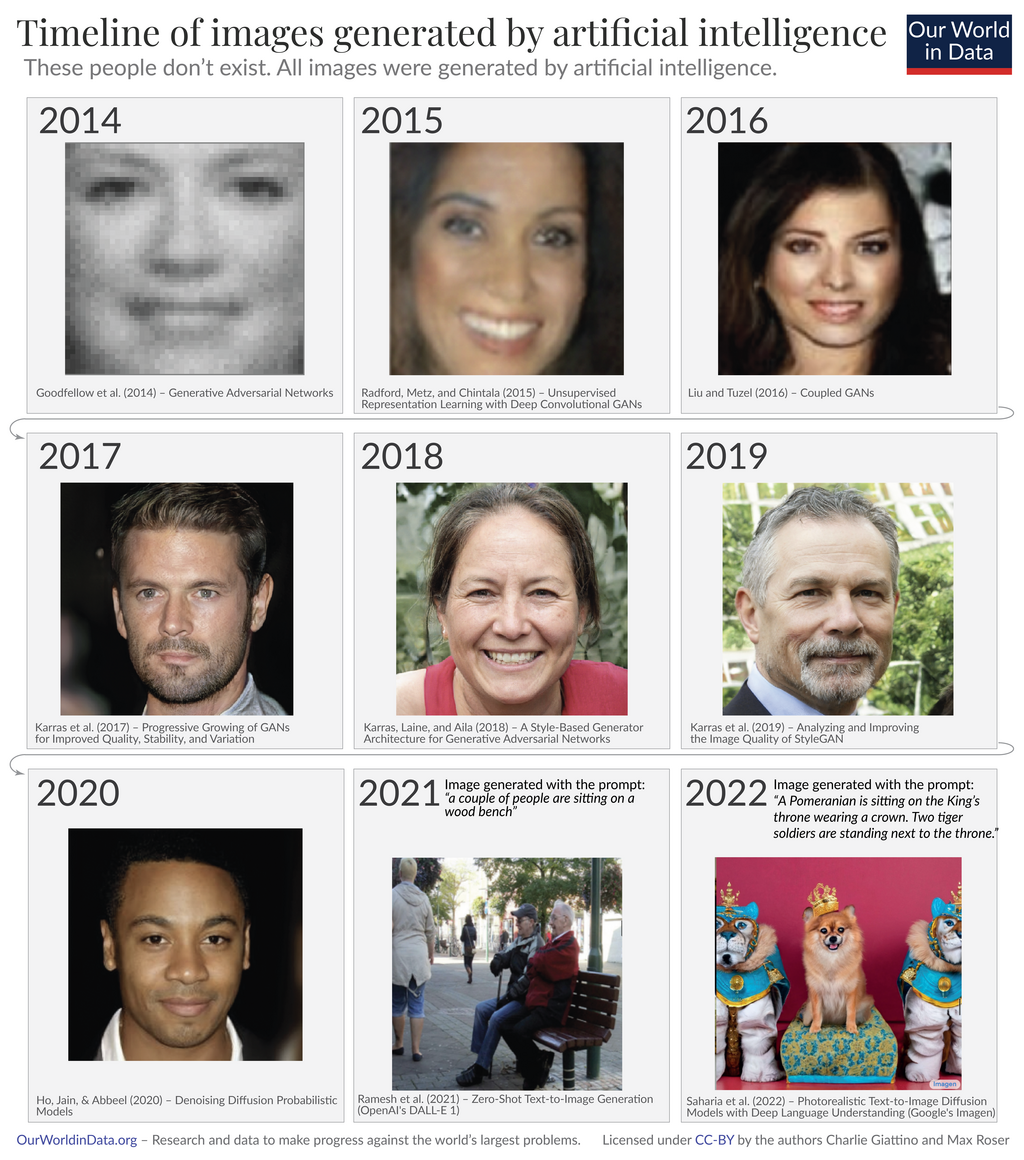
This competitive process has allowed deepfake technology to improve at an incredible speed. What started as blurry, unconvincing face-swaps just a few years ago has evolved into high-definition, photorealistic video.
The Detection Challenge
As this technology becomes more sophisticated, telling fact from fiction gets harder. Early deepfakes often had tell-tale signs of manipulation, like unnatural blinking, strange lighting, or a blurry transition where the fake face met the real body. But these flaws are rapidly disappearing.
The same AI techniques used to create deepfakes are also used to make them better, fixing the very flaws that once gave them away. This creates an arms race where creation technology often outpaces detection technology.
The challenge is that deepfakes are not just getting better, but also easier to create. What once required powerful computers and deep technical knowledge can now be done with simple apps. This accessibility means more deepfakes are circulating, making the task of verifying digital content more critical than ever.
When it comes to AI-manipulated media, there's no single tell-tale sign of how to spot a fake.
This new reality fundamentally challenges our trust in what we see and hear online. It creates a world where 'seeing is believing' is no longer a reliable guide.
What is the core concept behind deepfake technology?
The text describes Generative Adversarial Networks (GANs) as a contest between two AIs. What are their respective roles?