Sports Supply Chain and Logistics
Introduction to Sports Supply Chains
Behind the Game
When you watch a big game, you see the players, the coaches, and the roaring crowd. What you don't see is the massive, coordinated effort that makes it all possible. From the jersey on your back to the hot dog in your hand, everything is part of a complex network. This network is the supply chain.
Supply Chain Management (SCM) encompasses the coordinated management of resources, materials, information, and finances as a product or service moves from supplier to manufacturer to wholesaler to retailer to consumer.
In sports, supply chain management is the process of planning and controlling the flow of goods, services, and information. It ensures that everything and everyone gets where they need to be, when they need to be there. This isn't just about merchandise. It’s about managing equipment, coordinating team travel, and even making sure the stadium is stocked with concessions for game day.
A key piece of this puzzle is logistics. If supply chain management is the overall game plan, logistics are the specific plays. Logistics is the part of the process that focuses on moving and storing things efficiently. Think about a team playing an away game. Logistics involves booking flights and hotels, transporting tons of equipment, and making sure it all arrives on time and in perfect condition. Without solid logistics, the team might not even make it to the field.
The Path from Factory to Fan
The sports supply chain has a few key players. It starts with the suppliers who provide raw materials, like the cotton for a t-shirt or the leather for a basketball. Manufacturers then turn these materials into finished products. Once a jersey is stitched or a basketball is inflated, it moves to distributors, who transport the goods to retailers. Finally, retailers—whether it’s the team's official online store, a stadium pro shop, or a big-box store—sell the product to the consumer, the fan.
This structure applies to almost every physical product in the sports world. Each step adds value, and a breakdown at any point can disrupt the entire chain. For example, if a shipment of official championship hats is delayed, a retailer misses out on a huge sales opportunity when fan excitement is at its peak.
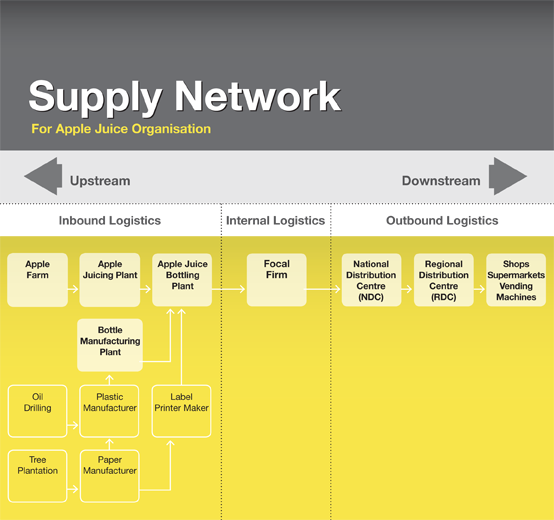
Managing this flow effectively is vital. A well-run supply chain ensures products are available, costs are controlled, and fans are happy. It’s the invisible backbone that supports the entire sports industry, making sure the focus stays on the action.
If supply chain management is the overall "game plan" for getting sports products to fans, what are the "specific plays"?
In the typical sports merchandise supply chain, who comes just before the retailer?