Sports Massage for Athletes
Introduction to Sports Massage
What Is Sports Massage?
Sports massage is a form of physical therapy designed to help active people prevent injuries, prepare their bodies for athletic activity, and recover after workouts or events. It's not just for professional athletes. Weekend warriors, regular gym-goers, and anyone who's physically active can benefit from it.
The practice has ancient roots. Greek and Roman athletes used massage to prepare their bodies for competitions. However, modern sports massage began to take shape in the early 20th century. Pioneers like Per Henrik Ling, the creator of Swedish massage, laid the groundwork. Later, therapists like Jack Meagher, who worked with U.S. Olympic teams, refined techniques specifically for athletes, popularizing the field we know today.
Core Principles
Unlike a general relaxation massage, sports massage is highly targeted. The primary principle is to apply techniques that benefit an athlete's specific sport or activity. A swimmer's massage will focus on shoulders and back, while a runner's will target legs and hips.
The timing of the massage is also crucial. A session can be adapted for different purposes depending on when it's performed in relation to physical activity.
| Massage Type | Goal |
|---|---|
| Pre-Event | Stimulate muscles, improve circulation, and increase flexibility right before an event. Uses quick, invigorating strokes. |
| Post-Event | Soothe tired muscles, reduce soreness, and speed up recovery after a competition or hard workout. Uses slower, flushing strokes. |
| Maintenance | Address chronic issues, maintain flexibility, and treat minor aches during a regular training schedule. Can be more intensive. |
Key Benefits for Athletes
The advantages of sports massage fall into three main categories: improving performance, preventing injuries, and speeding up recovery.
First, it can directly enhance performance. By loosening tight muscles and breaking up adhesions, sports massage improves flexibility and range of motion. This allows for more efficient movement. Increased blood flow from the massage also delivers more oxygen and nutrients to the muscles, helping them work harder and longer.
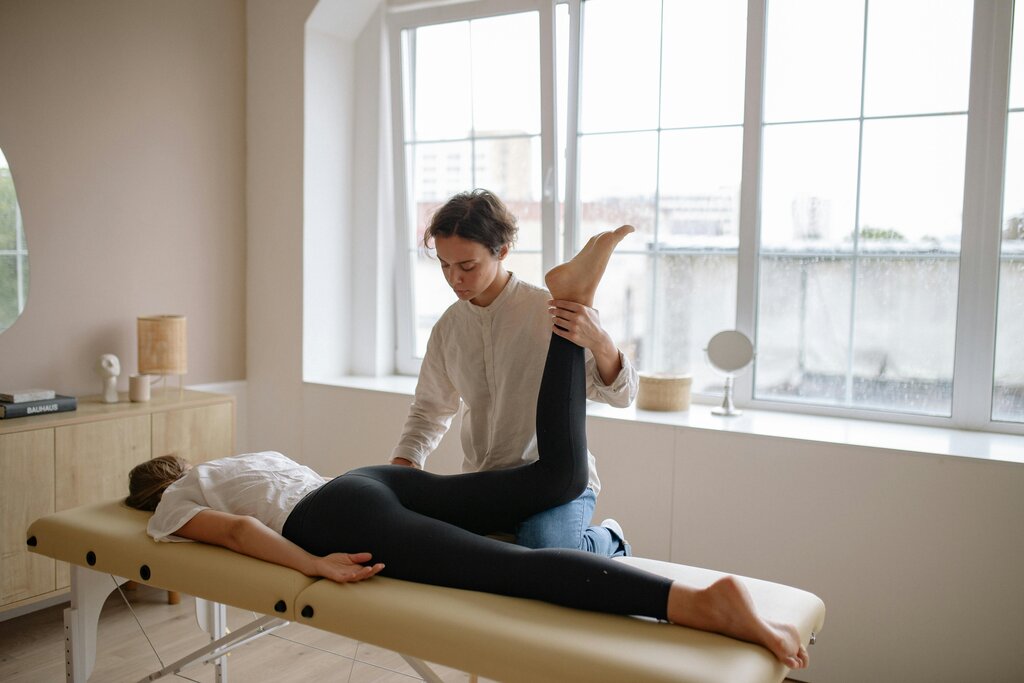
Regular sessions are also a powerful tool for injury prevention. A therapist can identify and address muscle imbalances, trigger points, and areas of excessive tension before they lead to strains or sprains. By keeping muscles pliable and balanced, sports massage helps the body better withstand the stresses of training.
Finally, massage is crucial for recovery. After intense exercise, muscles are filled with metabolic byproducts like lactic acid. Sports massage helps flush these substances out, which can reduce muscle soreness and stiffness. This process, often called Delayed Onset Muscle Soreness, is a common experience after a tough workout.
DOMS
noun
Stands for Delayed Onset Muscle Soreness. It's the pain and stiffness felt in muscles several hours to days after unaccustomed or strenuous exercise.
A Glimpse at Techniques
Sports massage therapists use a variety of strokes and techniques, many of which are adapted from traditional Swedish massage. The specific combination used depends on the athlete, their sport, and the goal of the session.
Here are a few of the foundational techniques:
-
Effleurage: Long, gliding strokes used to warm up the muscle tissue and improve circulation. It's often used at the beginning and end of a session.
-
Petrissage: Kneading and squeezing motions that lift the muscle tissue. This technique helps release deeper tension and stretch muscle fibers.
-
Friction: Deep, circular or transverse movements applied to a specific spot. It's effective for breaking down scar tissue and adhesions.
-
Tapotement: Rhythmic tapping or percussion. These stimulating movements can help invigorate muscles before an event.
A skilled therapist blends these techniques, adjusting pressure and rhythm to meet the athlete's specific needs before, during, or after activity.
Now, let's test what you've learned about the fundamentals of sports massage.
What is the primary principle that guides a sports massage session?
Which sports massage technique involves rhythmic tapping or percussion, often used to invigorate muscles before an event?
Understanding these core concepts provides a solid foundation for exploring the world of sports massage and how it supports athletic endeavors.