Speedy Sleep Secrets
Understanding Sleep Basics
The Architecture of Sleep
Sleep isn't just an on/off switch. When you fall asleep, your brain follows a predictable pattern of activity, moving through different stages. Think of it as a well-choreographed dance with distinct moves.
The two main types of sleep are Non-Rapid Eye Movement (NREM) and Rapid Eye Movement (REM). Most of your night is spent in NREM sleep, which is broken down into three stages.
- N1 (Light Sleep): This is the drowsy, transitional stage right after you close your eyes. Your muscles relax, and your brain waves start to slow down. It's easy to be woken up during N1.
- N2 (Light Sleep): You spend about half your night in this stage. Your body temperature drops and your heart rate slows. Your brain produces short bursts of rapid activity called sleep spindles, which are thought to help with memory consolidation.
- N3 (Deep Sleep): This is the most restorative stage. It's very difficult to wake someone from deep sleep. During N3, your body repairs tissues, builds bone and muscle, and strengthens the immune system.
After progressing through the NREM stages, you enter REM sleep. This is when most vivid dreaming occurs. Your eyes move back and forth rapidly behind your eyelids, which is where the name comes from. Your breathing and heart rate increase, but your major muscles become temporarily paralyzed. This paralysis is a protective measure that prevents you from acting out your dreams.
REM sleep is crucial for emotional regulation and memory processing. It helps your brain make sense of the day's experiences and store important information.
The Nightly Rhythm
Your brain doesn't just go through these stages once. It cycles through them repeatedly all night long. One full sleep cycle—progressing from N1 down to N3, then back up and into REM—takes about 90 to 110 minutes on average.
A typical night consists of four to six of these cycles. However, the cycles aren't identical. Early in the night, you spend more time in deep N3 sleep. As the night progresses, the periods of REM sleep get longer, and deep sleep becomes shorter. This is why you often wake up from a dream in the morning, as you're spending more time in the REM stage closer to waking.
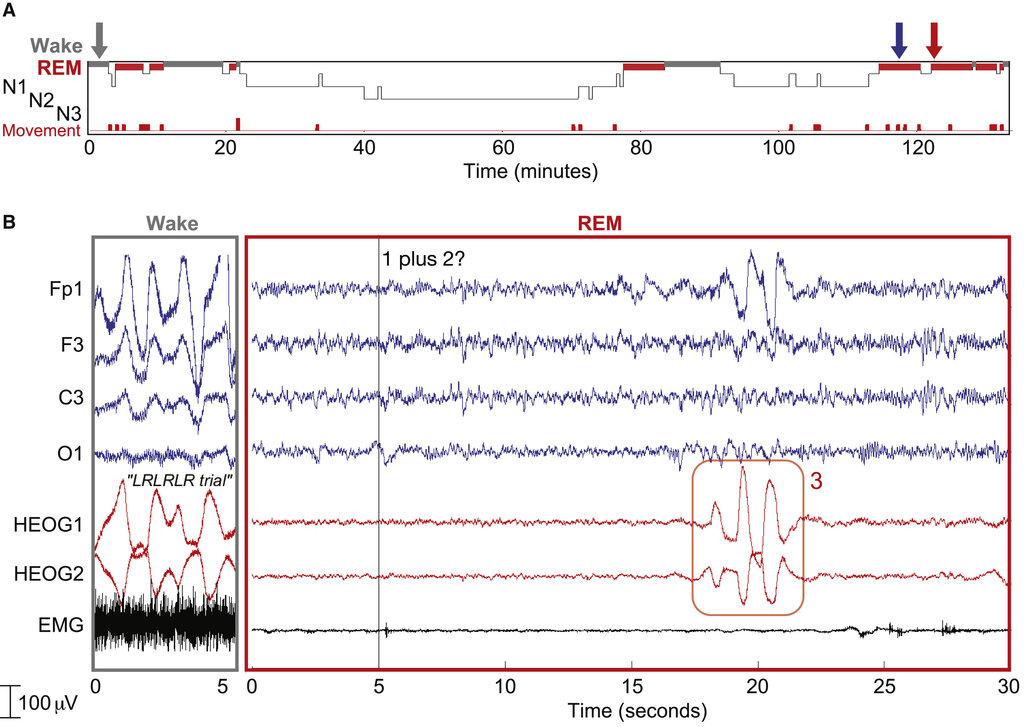
Completing these cycles is essential for waking up feeling refreshed. Interruptions, whether from noise, light, or a sleep disorder, can disrupt this natural rhythm and prevent you from getting the restorative deep sleep and REM sleep you need.
Your Internal Clock
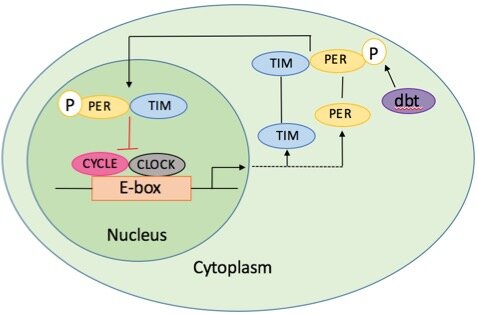
Why do you feel sleepy at night and alert during the day? The answer lies in your circadian rhythm. This is your body's internal 24-hour clock that regulates the sleep-wake cycle and other physiological processes, like hormone release and body temperature.
circadian
adjective
Relating to a 24-hour cycle of biological activity.
The master controller of this clock is a tiny region in the brain called the suprachiasmatic nucleus, or SCN. The SCN is highly sensitive to light. When light enters your eyes, it signals to the SCN that it's daytime, promoting wakefulness. When it gets dark, the SCN signals the pineal gland to produce melatonin, a hormone that makes you feel sleepy.
This is why exposure to bright light in the evening—especially the blue light from phones and computers—can trick your brain into thinking it's still daytime, suppressing melatonin production and making it harder to fall asleep. Conversely, getting sunlight in the morning helps reinforce your natural circadian rhythm.
When Sleep Goes Wrong
Sometimes, despite our best efforts, the intricate machinery of sleep can break down. Sleep disorders are conditions that disrupt normal sleep patterns. They can interfere with the quality, timing, and amount of sleep, leading to daytime sleepiness and impairing overall health.
Some common sleep disorders include:
- Insomnia: A persistent difficulty with falling asleep, staying asleep, or both, despite having the opportunity for adequate sleep.
- Sleep Apnea: A serious condition where breathing repeatedly stops and starts during sleep. This can prevent the body from getting enough oxygen and disrupt the sleep cycle, often without the person's awareness.
- Restless Legs Syndrome (RLS): An uncontrollable urge to move the legs, typically in the evenings, which can make it difficult to fall asleep.
- Narcolepsy: A chronic neurological condition characterized by overwhelming daytime sleepiness and sudden attacks of sleep. People with narcolepsy often enter REM sleep almost immediately.
These conditions can significantly affect a person's life, but they are often treatable. Understanding the fundamentals of sleep is the first step toward recognizing a problem and seeking help.
Which stage of sleep is characterized by vivid dreaming, rapid eye movements, and temporary muscle paralysis?
The body's internal 24-hour clock, which regulates the sleep-wake cycle, is known as the:
Now that you know the basics of how sleep works, you have the foundation to understand what makes for a good night's rest.