Speech Recognition and Synthesis
Introduction to Speech Technologies
Speaking with Machines
At its core, communication between humans and computers has traditionally relied on keyboards, mice, and screens. But what if you could just talk to your devices, and they could talk back? This is the world of speech technology, a field dedicated to bridging the gap between human language and computer processing.
Two key technologies make this possible: speech recognition and speech synthesis.
Speech recognition, also known as speech-to-text, is the process of converting spoken words into written text. When you dictate a message to your phone or ask a smart speaker for the weather, you're using speech recognition.
Speech synthesis, or text-to-speech (TTS), does the opposite. It takes written text and converts it into audible speech. This is the technology that allows your GPS to give you directions or an e-reader to read a book aloud.
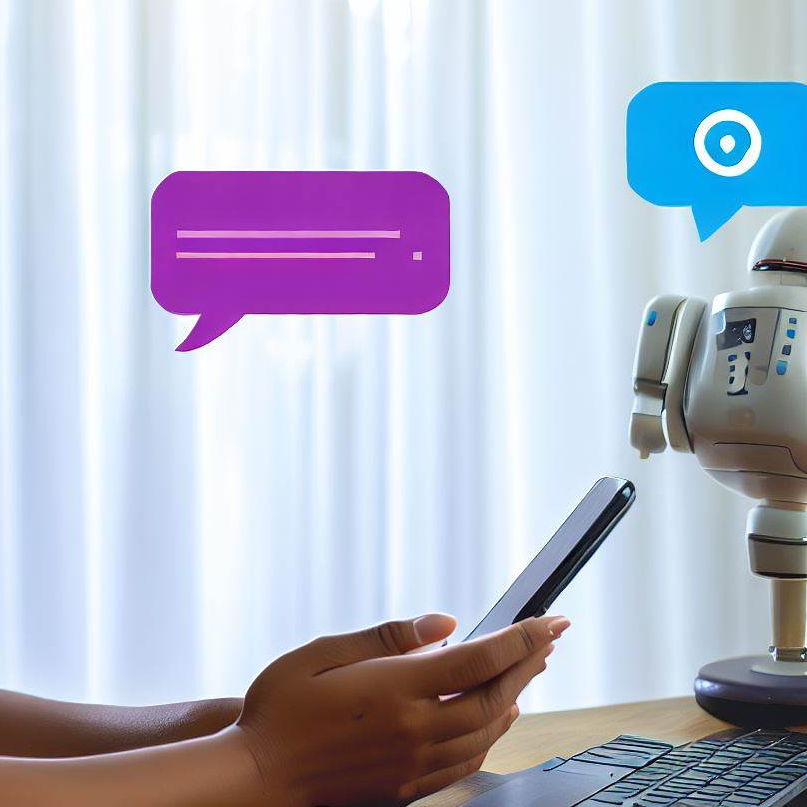
Together, these technologies create a loop, allowing for a natural, back-and-forth conversation. They make technology more accessible, convenient, and intuitive, changing how we interact with everything from our cars to our homes.
A Quick History
The dream of talking machines isn't new. For centuries, inventors created mechanical devices that could mimic human speech. But modern speech technology truly began in the 20th century with the advent of electronics.
In the 1950s and 60s, researchers at places like Bell Labs built the first systems that could recognize simple digits and words. These early machines were massive, expensive, and had very limited vocabularies. They could often only understand a single speaker whose voice they had been trained on.
Progress was slow but steady. The development of more powerful computers and statistical methods in the 1980s and 90s made systems more accurate and flexible. By the 2000s, speech recognition started appearing in consumer products, like automated phone systems and early dictation software. The rise of machine learning and vast amounts of data has since propelled the technology into the mainstream, making it a common feature in the devices we use every day.
How Does It Work?
Let's break down the basic principles of how a computer understands your voice and how it generates its own.
From Speech to Text: When you speak, you create sound waves. A microphone captures these waves and converts them into a digital signal. The software then analyzes this signal, breaking it down into tiny units of sound called phonemes. By analyzing sequences of phonemes and comparing them to a massive dictionary, the system identifies the most likely words and sentences you spoke.
From Text to Speech: To speak back, the system starts with written text. First, it analyzes the text to figure out the correct pronunciation of each word and determine the appropriate rhythm and intonation—the rise and fall of the voice. Early systems used a technique called concatenative synthesis, which involved stitching together tiny pre-recorded speech snippets. This often sounded robotic. Modern systems use more advanced models to generate brand new, human-sounding waveforms from scratch.
These processes happen in the blink of an eye, allowing for seamless conversations with our devices. You can find these technologies in a surprisingly wide range of applications.
| Application Area | Example | How It Uses Speech Tech |
|---|---|---|
| Virtual Assistants | Siri, Google Assistant, Alexa | Uses both recognition to understand commands and synthesis to respond. |
| Accessibility | Screen readers, voice control | Synthesis reads on-screen text for visually impaired users; recognition allows hands-free device control. |
| In-Car Systems | Hands-free calling, navigation | Recognition interprets commands so drivers can keep their hands on the wheel; synthesis provides directions. |
| Healthcare | Medical dictation | Doctors use recognition to dictate patient notes directly into records, saving time. |
| Customer Service | Automated phone menus | Recognition directs callers based on their spoken requests. |
Now that you have a handle on the basics, let's review some key terms.
Ready to test your knowledge? Give these questions a try.
Which technology is responsible for converting written words into audible speech, such as when a GPS provides spoken directions?
Dictating a text message to your smartphone is a common application of what process?
From simple voice commands to complex conversations, speech recognition and synthesis have fundamentally changed our relationship with technology, making it more personal and accessible than ever before.