Specification Driven Development Mastery
Introduction to Specification by Example
From Abstract to Concrete
Traditional software development often starts with a long requirements document. These documents try to describe every feature in detail, but they're often full of abstract language. A business expert writes what they think they want, and a developer reads it and builds what they think the expert meant. This gap in understanding is where problems begin.
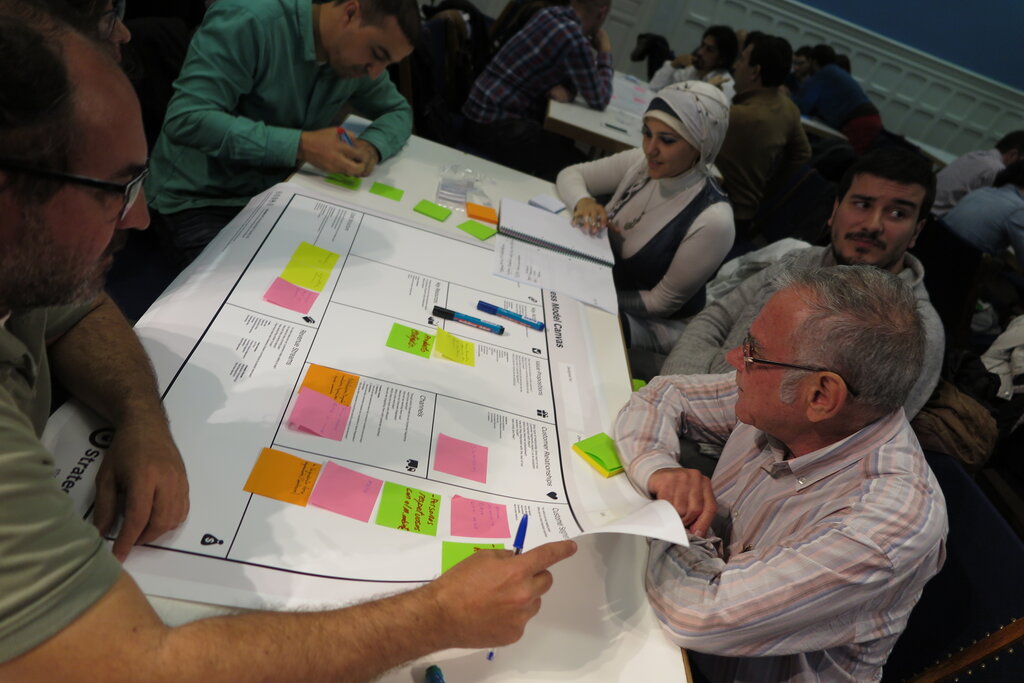
Specification by Example (SBE) flips this process on its head. Instead of relying on abstract descriptions, SBE brings business stakeholders and development teams together to define requirements using concrete, realistic examples. It’s a collaborative conversation focused on a simple question: "Can you give me an example of that?"
Specification by Example is a collaborative method for specifying requirements and tests.
This approach isn't just about writing things down differently. It's about building a shared understanding before a single line of code is written. The examples become the single source of truth, clarifying rules and exposing hidden complexities early on.
How Examples Create Clarity
Abstract requirements leave room for interpretation, while concrete examples are unambiguous. Let's look at a common feature: a login screen.
A traditional requirement might say: "The system must authenticate users securely."
What does that really mean? An SBE conversation would explore this with examples that become the specification.
| Scenario | User Action | System Response |
|---|---|---|
| Successful Login | Enters correct username and password | Redirected to dashboard |
| Wrong Password | Enters correct username, wrong password | Shows "Invalid password" message |
| Account Locked | Enters wrong password 3 times | Shows "Account locked" message |
| Non-existent User | Enters an email not in the system | Shows "Invalid username" message |
Suddenly, the abstract requirement becomes a clear, testable set of behaviors. The team discusses edge cases and agrees on the exact outcomes. These examples aren't just for discussion; they form the basis for functional tests, ensuring the final product works exactly as specified.
The Benefits of Working with Examples
Adopting Specification by Example has several powerful benefits that align perfectly with agile principles. The goal of agile development is to deliver value quickly and adapt to change, and SBE helps achieve this by improving communication and reducing waste.
The method produces living, reliable documentation; it defines expectations clearly and makes validation efficient; it reduces rework; and... it assures... that the software that’s built is right for its purpose.
Here’s how:
- Living Documentation: The examples used to define behavior can be automated as tests. This means your documentation is never out of date. If the tests pass, the documentation is accurate.
- Reduced Rework: By clarifying requirements upfront, teams avoid building the wrong thing. Catching a misunderstanding in a conversation is far cheaper than catching it after the feature has been coded.
- Shared Understanding: SBE gets everyone on the same page, from the product owner to the tester. This alignment prevents miscommunication and ensures the team is working toward the same goal.
- Delivering Value: Because the examples are derived from business needs, the resulting software is directly tied to what the business actually wants, ensuring the final product solves real-world problems.
Now that you understand the core concepts of Specification by Example, let's test your knowledge.
What is the primary method used in Specification by Example (SBE) to define software requirements?
According to its principles, what is the main problem SBE is designed to solve in software development?
By focusing on concrete examples through collaboration, teams can build better software that truly meets users' needs.