Specialized Processors GPUs LPUs TPUs Explained
Introduction to Specialized Processors
Beyond the Generalist
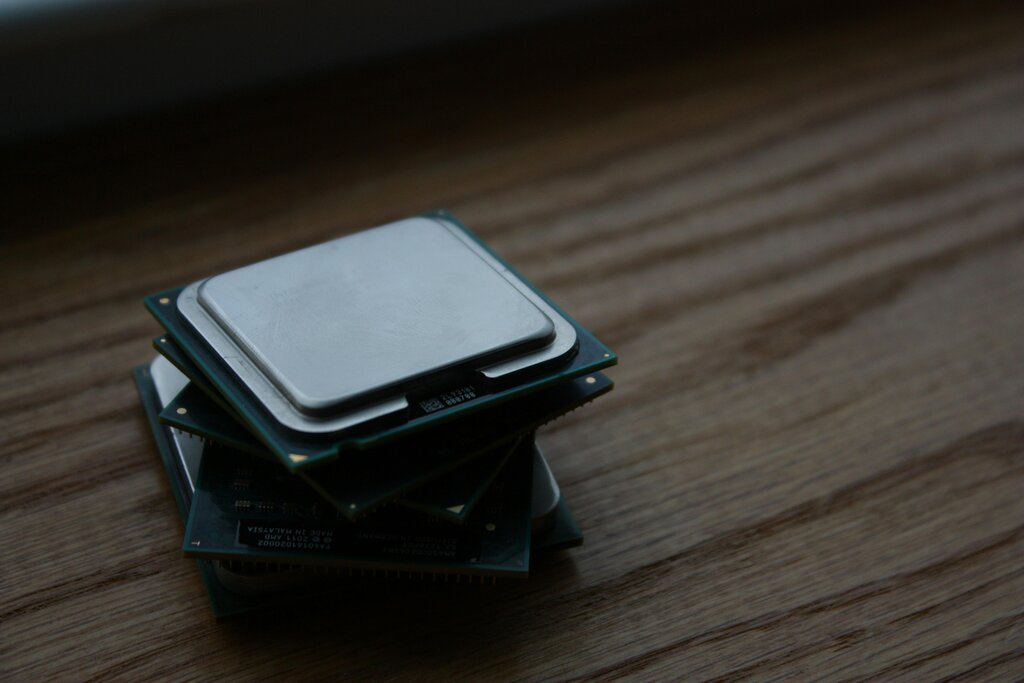
For decades, the Central Processing Unit, or CPU, has been the undisputed brain of the computer. It's a powerful generalist, designed to handle a vast range of tasks—from running your operating system to calculating spreadsheets. Think of a CPU like a versatile chef's knife. It can chop, slice, and dice almost anything you throw at it. But what if your job was to peel 10,000 potatoes every day? A chef's knife would work, but it wouldn't be very efficient. You'd want a specialized potato peeler.
In computing, certain tasks are like peeling 10,000 potatoes. They involve massive numbers of simple, repetitive calculations that would overwhelm a generalist CPU. This created a need for specialized hardware—processors designed to do one type of job with incredible speed and efficiency. This led to the rise of GPUs, TPUs, and other specialized chips that work alongside the CPU.
The Graphics Powerhouse
The first major specialized processor to go mainstream was the Graphics Processing Unit (GPU). As its name suggests, its original job was to handle graphics. Creating the rich, 3D visuals in a video game or rendering a high-resolution video requires calculating the color, brightness, and position of millions of pixels, many times per second.
A CPU, which typically handles tasks one after another (sequentially), would struggle with this. A GPU, however, is built differently. It has thousands of smaller, simpler cores that can all work at the same time. It's a master of parallel processing—dividing a huge task into thousands of tiny pieces and solving them all at once.
It's the difference between one person trying to count a million grains of sand one by one, versus a thousand people each counting a small pile of a thousand grains simultaneously.
Researchers soon realized this parallel architecture was perfect for more than just games. Scientific simulations, financial modeling, and especially the complex mathematics behind artificial intelligence all benefited from the GPU's ability to crunch huge amounts of data in parallel. This discovery turned the GPU from a niche gaming component into a cornerstone of modern high-performance computing.
GPU
noun
A specialized processor with thousands of cores designed to handle many tasks in parallel, originally for rendering graphics but now widely used for AI and high-performance computing.
Hardware for AI
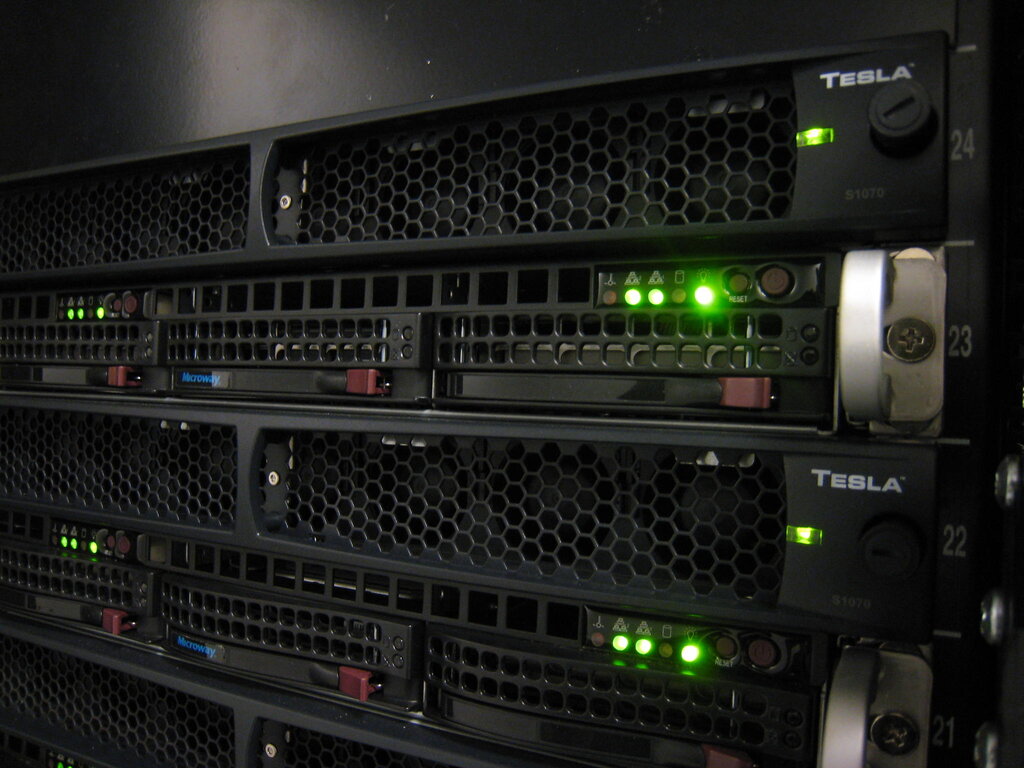
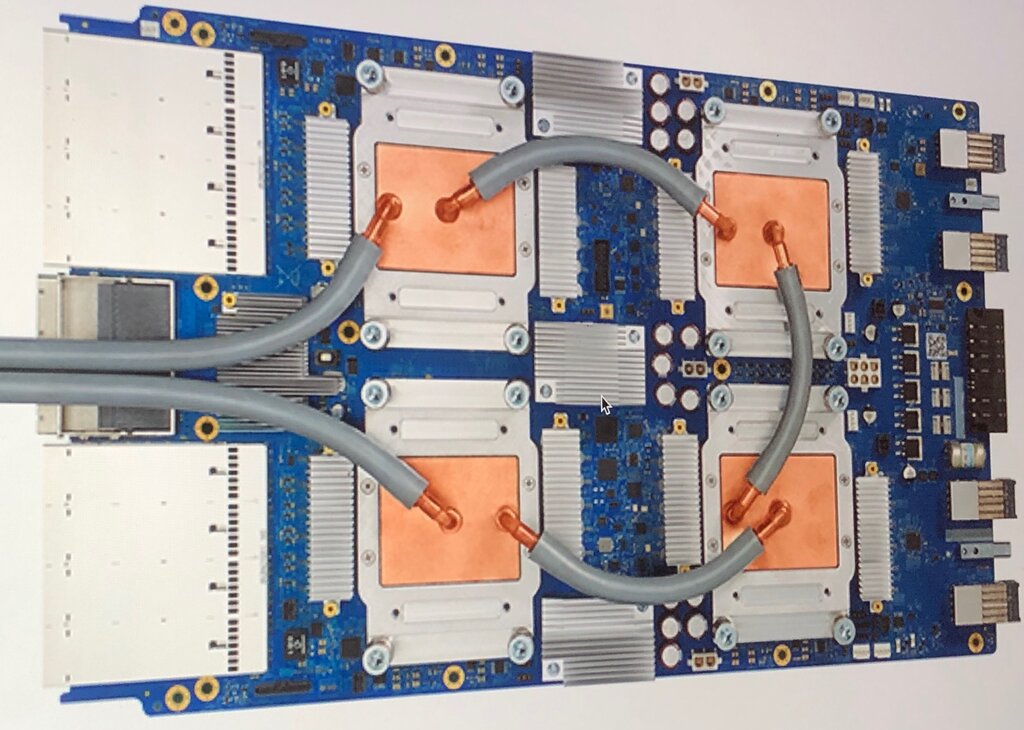
Even with the power of GPUs, the explosive growth of machine learning created an appetite for even more specialized hardware. Google, a leader in AI research, developed its own chip designed from the ground up to accelerate the specific calculations used in its machine learning framework, TensorFlow. They called it the Tensor Processing Unit (TPU).
If a GPU is a specialized potato peeler, a TPU is a factory machine that only does one thing: perform the massive matrix multiplications (called tensor operations) that are at the heart of neural networks. By focusing on this single, critical task, TPUs can often perform AI training and inference faster and more power-efficiently than even a GPU.
TPU
noun
An application-specific integrated circuit (ASIC) developed by Google to accelerate machine learning workloads, particularly the tensor operations used in neural networks.
More recently, another specialized chip has emerged: the Language Processing Unit (LPU). Developed by the company Groq, the LPU is designed to be exceptionally fast at AI inference—the process of a trained AI model generating a response. While GPUs and TPUs are powerhouses for training models, LPUs aim to minimize the delay between asking an AI a question and getting an answer, making AI conversations feel more natural and instantaneous.
LPU
noun
A processor designed specifically to accelerate the inference speed of large language models, aiming to reduce latency in AI-driven interactions.
The evolution is clear: from the all-purpose CPU to the parallel-processing GPU, and now to hyper-specialized chips like the TPU and LPU. Each step represents a move toward building the perfect tool for a specific, computationally-demanding job.
Time to check what you've learned.
What is the primary architectural difference that allows a GPU to handle tasks like rendering 3D graphics more efficiently than a CPU?
Google's Tensor Processing Unit (TPU) was designed specifically to accelerate what kind of operations?
These specialized processors aren't replacing the CPU. Instead, they work as powerful co-processors, taking on the heavy lifting for specific tasks while the CPU manages the rest of the system. This collaborative approach is what powers everything from realistic video games to the generative AI tools we use every day.