Spec Driven Development Explained
Introduction to Specification by Example
Using Examples as a Blueprint
Imagine ordering a custom-built bookshelf. You wouldn't just tell the carpenter, "Make it nice and big." You'd give specific details: "I need it to be six feet tall, three feet wide, with four shelves, and stained a dark walnut color." You might even sketch it out. The sketch and specific dimensions become the plan, or specification, that ensures you get exactly what you want.
Specification by Example (SbE) applies this same simple idea to building software. It’s a collaborative approach where business experts, developers, and testers work together to define software requirements using realistic examples. Instead of relying on lengthy, abstract documents, the team discusses concrete scenarios of how the software should behave.
These examples aren't just for discussion. They become the official specification for the feature being built. They are the single source of truth that everyone on the team agrees upon.
This process ensures everyone shares the same understanding from the very beginning. The business person knows their needs are understood, the developer knows exactly what to build, and the tester knows precisely what to check for. It bridges the communication gap that often exists between different roles on a project team.
A Natural Fit for Agile
Agile methodologies are all about moving quickly, collaborating closely, and delivering value in small increments. Traditional, exhaustive requirement documents can slow this process down. They take a long time to write, are often open to interpretation, and can quickly become outdated as the project evolves.
Specification by Example is a perfect match for the agile mindset. It replaces slow, formal documentation with fast, effective conversation centered on examples. This creates a shared understanding much more efficiently, allowing teams to move from idea to implementation with confidence.
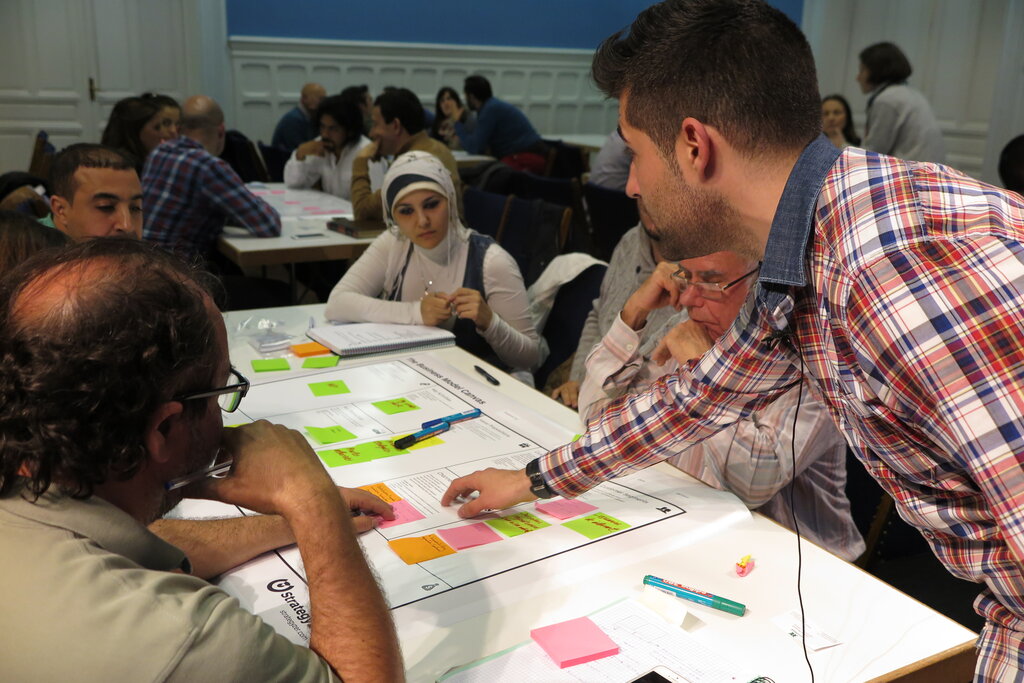
By focusing on examples, teams avoid one of the biggest risks in software development: building the wrong product. When requirements are ambiguous, developers are forced to make assumptions. Sometimes those assumptions are right, but often they lead to rework, wasted effort, and frustration. SbE helps eliminate this guesswork.
Improving the Development Process
The benefits of Specification by Example go beyond clear communication. It fundamentally improves how software is made.
First, it dramatically reduces ambiguity. A vague requirement like "The user should be able to apply a discount" becomes a set of clear examples:
- Example 1: A user with a 10% coupon on a $100 order should see a final price of $90.
- Example 2: A user trying to apply an expired coupon should see an error message.
- Example 3: A VIP customer should automatically get a 15% discount without a coupon.
Each example clarifies a specific piece of functionality, leaving no room for misinterpretation.
Second, SbE creates what is known as "living documentation." The examples don't just guide the initial development; they are transformed into automated tests that run against the code. If a test based on an example passes, it proves the software works as specified. If the software changes later and the test fails, the team knows immediately that the behavior has broken.
This means the documentation (the tests) can never become outdated. It is always a perfect reflection of what the system actually does, creating a reliable and maintainable product.
What is the primary goal of Specification by Example (SbE)?
True or False: In Specification by Example, the examples created during discussions are used once to guide initial development and are then discarded.
By focusing on concrete examples and collaboration, Specification by Example helps teams build better software, faster.