Sparking Joy with Christmas Gifts
Understanding Gift-Giving Psychology
More Than Just an Object
At its core, a gift is a message. It's a physical symbol of a relationship, a way of communicating feelings that can be hard to put into words. When you give someone a gift, you’re not just handing over an item; you’re offering a token of affection, appreciation, or connection. This act strengthens social bonds and reinforces your place in someone's life.
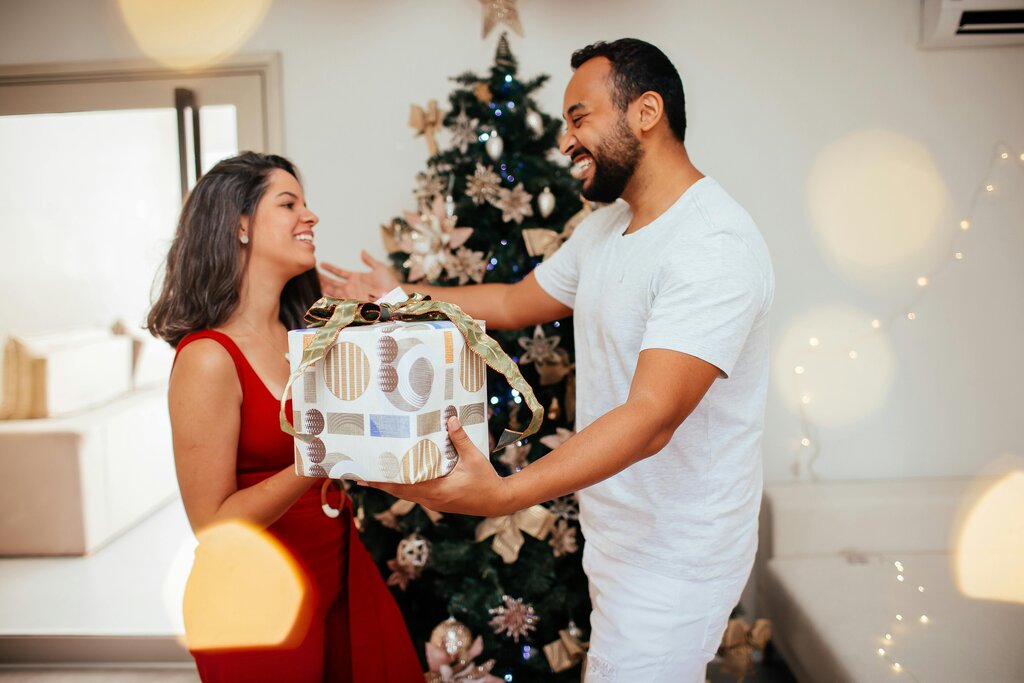
The psychological impact works both ways. For the giver, selecting a thoughtful gift can bring a sense of joy and fulfillment. It's an opportunity to focus on someone else and express positive emotions. For the recipient, a well-chosen gift can make them feel seen, valued, and understood. It’s a tangible reminder that someone was thinking of them and put effort into making them happy.
The Power of Personalization
Why does a customized mug or a framed photo feel so different from a generic gift card? The answer lies in personalization. A personalized gift shows that you’ve moved beyond obligation and invested real thought into the process. It signals that you know the person's tastes, memories, and unique personality.
Personalization adds a unique touch that makes any gift feel more thoughtful and meaningful.
This personal touch transforms an ordinary object into something significant. It’s no longer just a sweater; it’s that sweater in their favorite color. It’s not just a book; it’s a book by an author you know they love. This level of detail communicates a deeper level of care and attention.
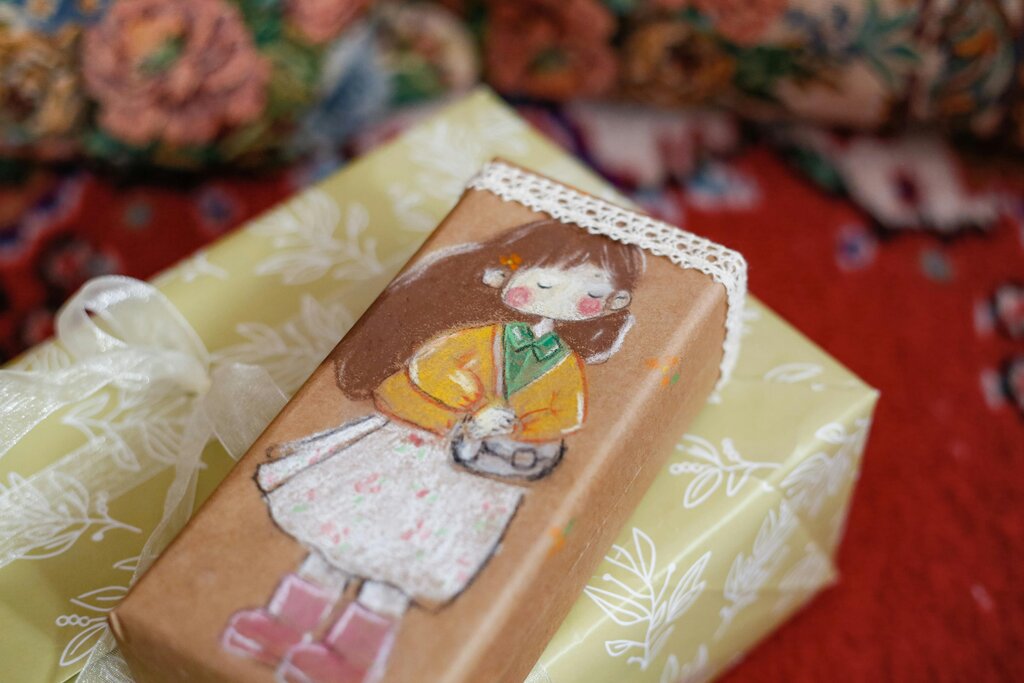
A personalized gift sends a clear message: “I thought specifically of you.”
Walking in Their Shoes
The secret ingredient to great gift-giving is empathy. Empathy is the ability to understand and share the feelings of another person. When choosing a gift, it means stepping out of your own preferences and considering what would truly delight the recipient. It’s about listening throughout the year, paying attention to their hints, hobbies, and needs.
Start by considering the recipient’s interests, hobbies, and lifestyle.
An empathetic gift shows you've been paying attention. It could be something that solves a small problem they mentioned, supports a new hobby they're excited about, or simply brings them a moment of comfort. The best presents aren't necessarily the most expensive, but the most considerate. They reflect a genuine understanding of who the other person is and what brings them joy.
Ready to test your understanding of gift-giving psychology?
What is the primary role of a gift, according to the provided text?
What key factor transforms an ordinary object into a significant and meaningful gift?