Spanish Social Security for Digital Nomads
Introduction to Spain's Social Security System
Spain's Social Security
Spain's Social Security system, or Seguridad Social, is the cornerstone of the country's public welfare. It's a state-run program designed to provide a safety net for residents, covering everything from healthcare to retirement. The system operates on a contributory basis, meaning the benefits you receive are funded by the contributions you and your employer make.
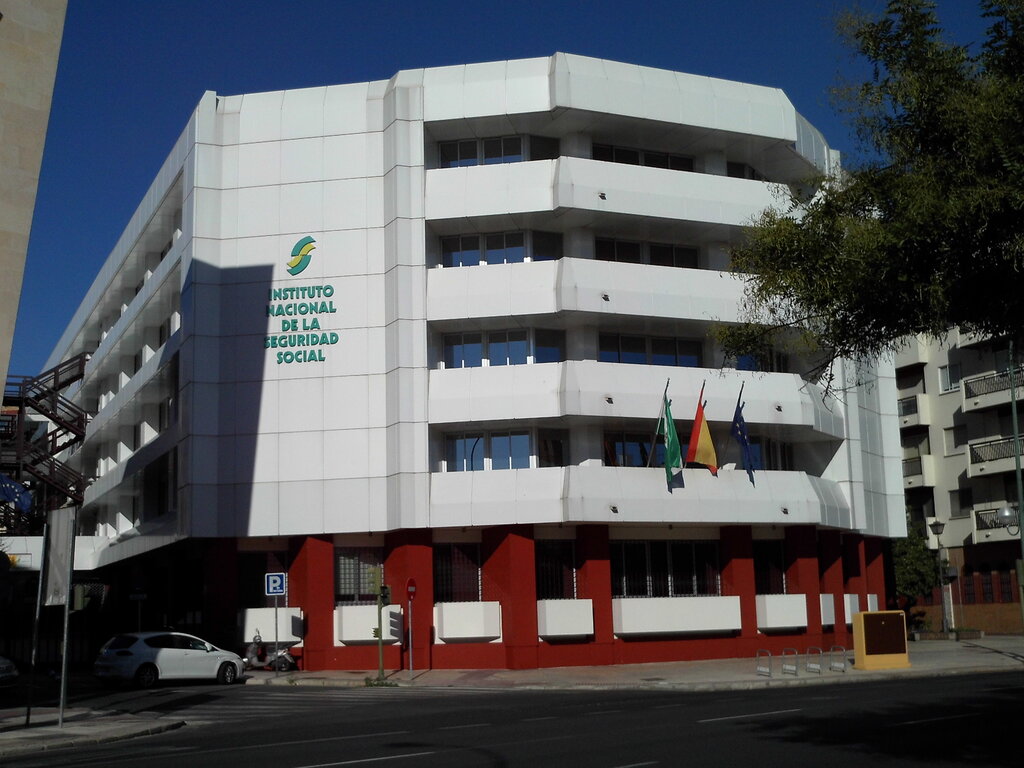
Think of it as a national insurance plan. While you're working and contributing, you're building up entitlement to a range of benefits. The two main bodies that run the show are the Tesorería General de la Seguridad Social (TGSS), which handles collections, and the Instituto Nacional de la Seguridad Social (INSS), which manages and pays out most benefits.
System Structure
The system is divided into different schemes, known as regímenes, based on the type of work you do. The vast majority of people fall into the General Regime (Régimen General), which covers most employees across various industries.
Beyond that, there are several Special Regimes (Regímenes Especiales) tailored for specific professions. The most important one for freelancers and independent contractors is the Special Regime for Self-Employed Workers, commonly known as RETA (Régimen Especial de Trabajadores Autónomos).
Other special regimes cover groups like sea workers, coal miners, and civil servants, each with rules adapted to their profession.
Coverage and Benefits
Contributing to Social Security grants you access to a wide range of benefits. The coverage is comprehensive and is one of the main pillars of Spanish society.
Key benefits include:
- Healthcare (Asistencia Sanitaria): Access to Spain's public healthcare system, which includes doctors, hospitals, and subsidized prescriptions.
- Temporary Disability (Incapacidad Temporal): Financial support if you're temporarily unable to work due to a common illness or non-work-related injury.
- Maternity and Paternity Leave (Nacimiento y Cuidado de Menor): Paid leave for new parents.
- Retirement (Jubilación): A state pension once you reach retirement age, based on your years of contribution.
- Unemployment (Desempleo): Benefits for those who lose their job and meet specific criteria.
- Permanent Disability (Incapacidad Permanente): A pension if you are permanently unable to work.
Who Is Covered?
Anyone who works in Spain, whether for a company or for themselves, is required to register with and contribute to the Social Security system. This is not optional. Your legal right to work is tied to your registration and good standing with the system.
The two primary categories are:
-
Employed workers (Trabajadores por cuenta ajena): If you work for a company with an employment contract, you fall into this group. Your employer is responsible for registering you and handling most of the contribution payments.
-
Self-employed workers (Trabajadores por cuenta propia or Autónomos): If you're a freelancer, independent contractor, or run your own business, this is you. You are personally responsible for registering yourself and making your monthly contributions.
How Contributions Work
Social Security contributions are calculated as a percentage of your earnings. This earnings figure is known as your contribution base (base de cotización), which has legal minimums and maximums that are updated annually.
For employed workers, the total contribution is split. The employer pays the majority (around 30%), and a smaller portion (around 6-7%) is deducted directly from the employee's paycheck. The company handles the entire payment process with the TGSS.
For the self-employed, the situation is different. Autónomos pay the entire contribution themselves through a monthly flat fee. This fee is based on the contribution base they choose, within the established legal limits. For new autónomos, there's often a reduced flat rate (tarifa plana) for the first year or two to help ease the financial burden.
Payments for both schemes are made on a monthly basis. For the self-employed, this is usually done via direct debit from a Spanish bank account at the end of each month.
What is the fundamental principle of Spain's Social Security system?
Javier works as a salaried employee for a tech company in Madrid. Who is primarily responsible for managing and paying his Social Security contributions?