Spanish Procedural Law Monitorios and Ejecuciones
Introduction to Spanish Procedural Law
The Spanish Judicial System
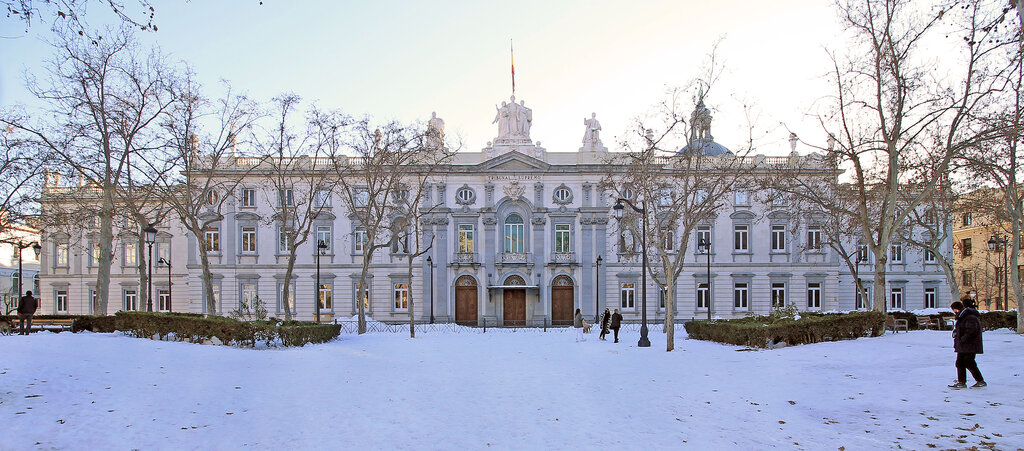
Spain's judicial system is organized as a hierarchy. At the top sits the Supreme Court, which has ultimate jurisdiction across all legal areas. Below it, the structure branches out to handle different types of cases and geographic regions.
This tiered system ensures that cases are first heard at a local level, with clear pathways for appeal to higher courts. The organization is based on five jurisdictional orders: Civil, Criminal, Administrative, Labor, and Military.
Guiding Principles
Spanish procedural law is built on several core principles designed to guarantee fairness. One of the most important is the right to an effective remedy, which means everyone has the right to have their case heard by a judge. Proceedings are generally public, promoting transparency in the justice system.
Another key concept is the adversarial principle. This means both parties in a dispute have an equal opportunity to present their arguments and evidence. The judge acts as an impartial referee, making a decision based only on what is presented in court. This ensures that verdicts are based on a balanced view of the facts.
Every person has the right to a defense and legal assistance, to a trial with all procedural guarantees, and to use any pertinent evidence for their defense.
Types of Civil Proceedings
In the civil jurisdiction, not all cases are handled the same way. Spanish law establishes different procedures based on the complexity of the matter and the amount of money in dispute. The two main types are ordinary and oral proceedings.
ordinary proceeding
The juicio ordinario is for more complex cases. This typically includes claims exceeding $6,000 and specific matters like disputes over fundamental rights, unfair competition, or complex contract challenges. It's a longer process with more extensive written phases.
oral proceeding
The juicio verbal is a streamlined, faster process designed for less complex issues. It's used for claims under $6,000 and certain specific cases like evictions or immediate possession claims, regardless of the amount. As the name suggests, it places more emphasis on the oral hearing.
| Feature | Ordinary Proceeding (Juicio Ordinario) | Oral Proceeding (Juicio Verbal) |
|---|---|---|
| Monetary Claim | Over $6,000 | Under $6,000 |
| Complexity | Higher complexity, specific matters by law | Lower complexity, specific matters by law |
| Procedure | More written stages, longer timeline | Faster, emphasizes the oral hearing |
| Use Cases | Contract disputes, fundamental rights | Evictions, small claims, traffic accidents |
Understanding these distinctions is crucial. It helps determine the path a client's case will take through the judicial system, affecting timelines, strategy, and costs.
What is the highest judicial body in Spain with ultimate jurisdiction across all legal areas?
Which principle ensures that both parties in a Spanish legal dispute have an equal opportunity to present their arguments and evidence?
This framework of courts, principles, and procedures provides the foundation for how legal disputes are resolved in Spain. It's a system designed to be structured, fair, and transparent.