Spanish Language Fundamentals
Spanish Alphabet and Pronunciation
The Spanish Alphabet
Good news: the Spanish alphabet is very similar to the English one. It uses the same 27 letters. In the past, you might have seen alphabets that included extra letters like ch and ll, but since 2010, the official alphabet no longer counts them as separate letters. The only letter you won't recognize from English is ñ.
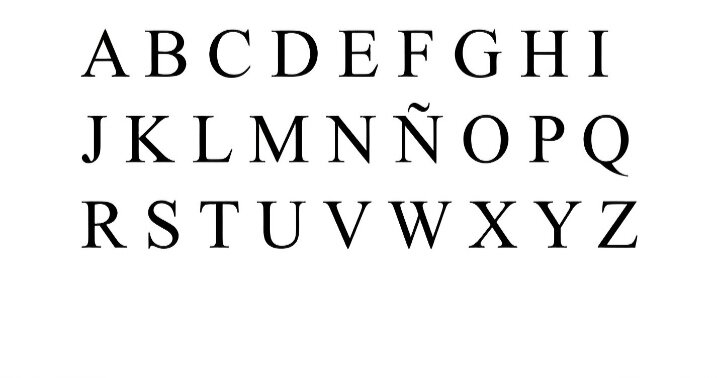
The real magic of Spanish pronunciation is its consistency. Unlike English, where letters can have many different sounds (think of the 'a' in cat, father, and able), Spanish letters almost always make the same sound. Once you learn the sound for each letter, you can pronounce almost any word you see.
Spanish pronunciation is consistent: once you learn the sounds, you’ll understand and be understood more easily.
The Five Vowels
Let's start with the vowels. There are only five vowel sounds in Spanish, and they are always short, crisp, and pure. They don't glide into other sounds like English vowels often do.
Master these five sounds, and you've unlocked a huge part of Spanish pronunciation.
| Vowel | Sound | Example Word |
|---|---|---|
| A, a | "ah" as in father | ananá (pineapple) |
| E, e | "eh" as in bed | elefante (elephant) |
| I, i | "ee" as in see | iglesia (church) |
| O, o | "oh" as in boat | oso (bear) |
| U, u | "oo" as in moon | uno (one) |
Remember: Vowel sounds in Spanish are consistent and clean. Don't stretch them out.
Key Consonants
Most consonants sound similar to their English counterparts, but a few have special rules. Let's look at the ones that might trip you up.
| Letter | Sound | Explanation |
|---|---|---|
| C | "k" or "s" sound | Before a, o, u, it's a hard "k" sound (casa). Before e, i, it's a soft "s" sound (cielo). |
| G | "g" or "h" sound | Before a, o, u, it's a hard "g" (gato). Before e, i, it sounds like the English "h" (gente). |
| H | Silent | The h is always silent in Spanish. Don't pronounce it. Think of the word hola (hello). |
| J | "h" sound | The j always makes a sound like the English "h", as in jardín (garden). |
| LL | "y" sound | This double letter sounds like the "y" in yes. For example, llave (key). |
| Ñ | "ny" sound | This unique letter sounds like the "ny" in canyon. For example, español (Spanish). |
| R | Soft or rolled | A single r is a light tap of the tongue. A double rr (or an r at the start of a word) is rolled. |
| Z | "s" sound | The z always sounds like an "s", as in zapato (shoe). |
A couple of letter combinations are also worth noting.
CH: This is pronounced like the "ch" in "cheese." Example: chocolate.
QU: This combination is pronounced like a "k." The 'u' is silent. Example: queso (cheese).
Now that you've seen the letters and their sounds, let's test your knowledge.
According to the official standard established in 2010, how many letters are in the Spanish alphabet?
Which of the following is a letter in the Spanish alphabet that does not exist in the English alphabet?
Getting the hang of these sounds is your first big step. Practice them out loud. The more you speak, the more natural it will become.