Spanish Foundations for Pre-IB
Spanish Alphabet and Pronunciation
The Spanish Alphabet
The Spanish alphabet is almost identical to the English one, which is great news for learners. The sounds are consistent and phonetic, meaning words are pronounced just as they are spelled. Once you learn the sound for each letter, you can confidently pronounce almost any word in Spanish.
Spanish pronunciation is consistent: once you learn the sounds, you’ll understand and be understood more easily.
The Royal Spanish Academy (Real Academia Española) officially recognizes 27 letters. Let's take a look.
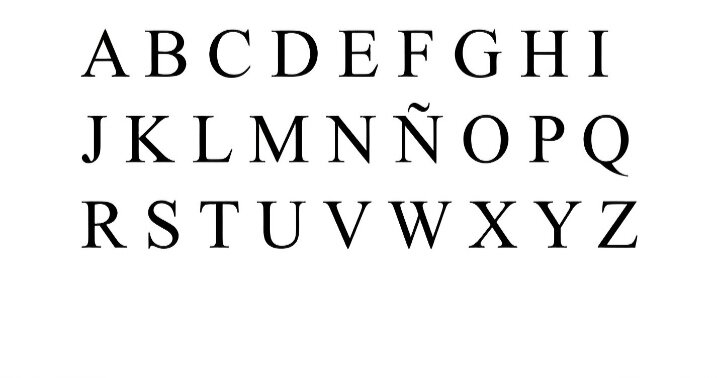
You'll notice it looks very familiar, with the addition of the letter ñ. While other letter combinations like ch and ll used to be considered separate letters, they are now treated as digraphs, or pairs of letters representing a single sound.
Simple and Pure Vowels
Unlike English, which has a dozen or more vowel sounds, Spanish has only five. They are short, clear, and never change, regardless of their position in a word. This consistency is a cornerstone of Spanish pronunciation.
A, E, I, O, U. Master these five sounds, and you've mastered the heart of Spanish pronunciation.
Here are the five vowel sounds you need to know:
| Vowel | Sound | Example |
|---|---|---|
| A | "ah" as in father | agua (water) |
| E | "eh" as in bet | elefante (elephant) |
| I | "ee" as in see | iglú (igloo) |
| O | "oh" as in go | oso (bear) |
| U | "oo" as in food | uno (one) |
That’s it. Every time you see these vowels, they will make these exact sounds.
Key Consonants and Digraphs
While most Spanish consonants sound similar to their English counterparts, a few have unique pronunciations you'll need to learn. Let's focus on the most important ones: ñ, ll, and rr.
ñ
noun
A letter representing a nasal palatal sound, similar to the 'ny' in 'canyon'.
The tilde (~) over the 'n' is not an accent mark; it makes it an entirely different letter. The word año (year) is completely different from ano (anus), so this is an important one to get right!
The letter ll is pronounced like the 'y' in 'yes'. For example, llamar (to call) sounds like 'ya-mar'.
The rr represents a trilled or "rolled" R. This sound is made by vibrating the tip of your tongue against the roof of your mouth. It contrasts with the single r, which is a quick tap of the tongue in the same spot. Listen to the difference:
- pero (but) - a single, soft tap
- perro (dog) - a strong, rolled sound
Regional Differences
Just as English has different accents, Spanish pronunciation varies by region. The most notable differences are between Spain and Latin America.
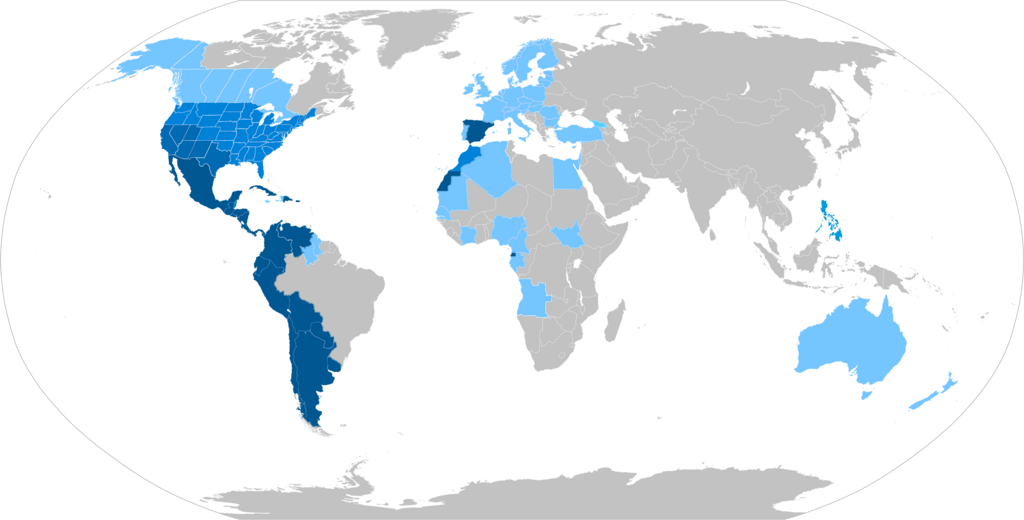
One major distinction is the pronunciation of the letters c (before 'e' or 'i') and z. In most of Latin America, both letters are pronounced like an 's'. This is called seseo. In most of Spain, they are pronounced like the 'th' in 'think'. This is known as ceceo.
For example, the word gracias (thank you) would sound like "gra-see-as" in Mexico and "gra-thee-as" in Madrid.
Another common variation is the sound of ll and y. While many speakers pronounce them like the 'y' in 'yes', in Argentina and Uruguay, they often sound like the 'sh' in 'shoe'. So, yo me llamo (my name is) might sound like "sho me shamo."
Don't worry too much about these differences at first. Both pronunciations are widely understood. The best approach is to pick one style, often based on who you're learning from or where you plan to travel, and aim for consistency.
Ready to check your understanding?
How many letters does the Royal Spanish Academy officially recognize in the Spanish alphabet?
The tilde (~) over the 'n' in the letter 'ñ' is just an accent mark and doesn't change the letter itself.
Mastering these sounds is your first big step toward speaking Spanish clearly and confidently.