Spanish for Restaurant Success
Restaurant Vocabulary
Reading the Menu
When a menu arrives at your table in a Spanish-speaking country, it's more than just a list of food. It's a guide to a culinary experience. Understanding its structure is the first step to ordering a great meal. Most menus are divided into logical sections, guiding you from the start of your meal to the end.
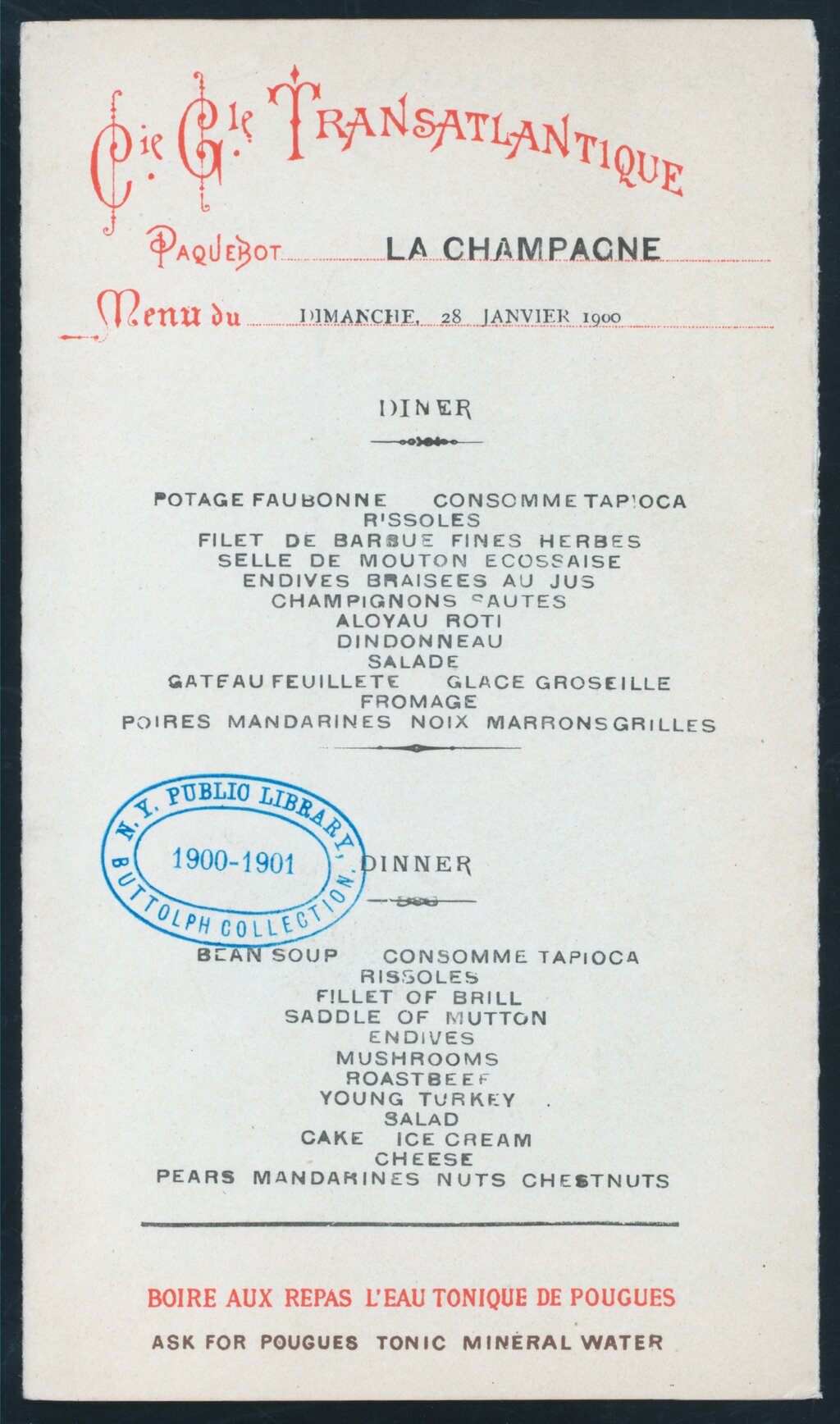
You'll typically see starters, main courses, and desserts listed separately. Let's break down what these sections are called.
| Spanish Term | English Meaning |
|---|---|
| Entrantes | Appetizers / Starters |
| Platos Principales | Main Courses |
| Postres | Desserts |
| Bebidas | Drinks |
Sometimes starters are also called primeros (first courses) and main dishes are called segundos (second courses). This is especially common in a menú del día, a fixed-price lunch menu that offers several options for each course.
Main Dishes and How They're Cooked
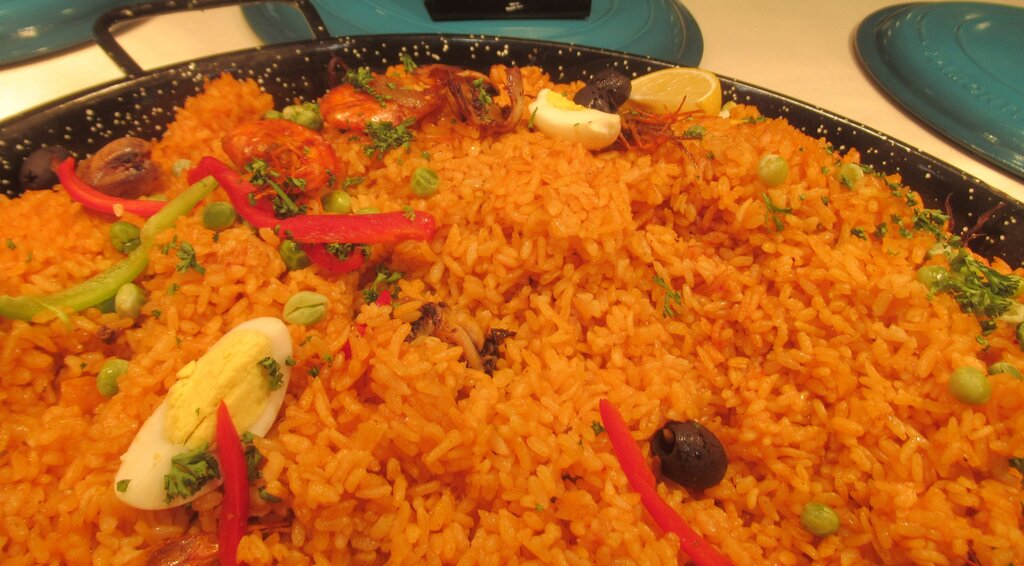
The main course, or plato principal, is the heart of the meal. Here you'll find dishes centered around meat, fish, or vegetables. Knowing the key terms for proteins will help you find exactly what you're looking for.
Common proteins you'll see are:
- Pollo (chicken)
- Carne (meat, usually beef)
- Pescado (fish)
- Mariscos (seafood)
But just knowing the protein isn't enough. The menu will also tell you how it's prepared. These descriptive words are your clues to the dish's flavor and texture. Is it fried, grilled, or stewed?
| Preparation Style | What it means |
|---|---|
| Frito/a | Fried |
| Asado/a | Roasted |
| A la plancha | Grilled on a hot plate |
| Al horno | Baked in the oven |
| Guisado/a | Stewed |
So, if you see pollo asado on the menu, you know you're getting roast chicken. Pescado a la plancha would be a simply grilled fish fillet, a very common and delicious way to prepare fresh fish in Spain.
Choosing a Drink
The bebidas, or drinks, section can be just as important as the food. You'll always find the basics like water and soft drinks.
agua
noun
Water. If you want still water, ask for agua sin gas. For sparkling, it's agua con gas.
Wine (vino) and beer (cerveza) are also staples. For wine, the menu will usually distinguish between red, white, and rosé.
red wine
You'll also see vino blanco (white wine) and vino rosado (rosé wine). If you want a small draft beer, a common way to order it is to ask for a caña.
Now that you have the vocabulary, you're better equipped to explore any Spanish menu. Let's review these new terms.
Time to test your knowledge.
On a Spanish menu, what does the section labeled 'Platos Principales' list?
If a dish is described as 'a la plancha', how is it cooked?
With these words in your pocket, you can order with confidence and fully enjoy the dining experience.