Spanish for Beginners
Spanish Alphabet and Pronunciation
The Spanish Alphabet
Good news: the Spanish alphabet is almost identical to the English one. This makes it much easier to start reading and speaking. For years, the official alphabet had 29 letters, but in 2010, the Royal Spanish Academy simplified things. The letters "ch" and "ll" are no longer considered separate letters, but combinations of existing ones. The only truly unique letter you'll need to learn is the "ñ".
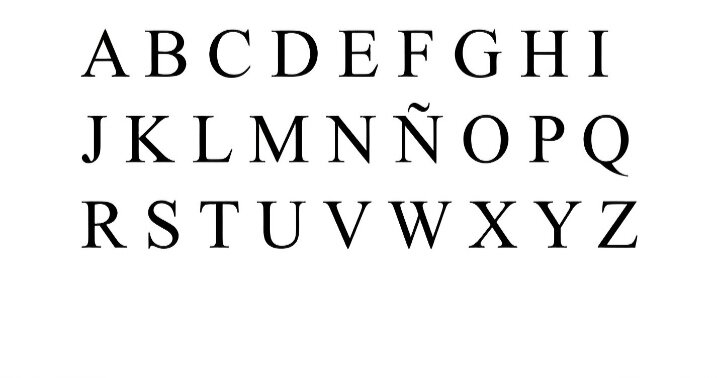
This means you already know almost all the letters. The real trick isn't learning new characters, but learning their consistent, predictable sounds.
Pure and Simple Vowels
Spanish vowels are a gift to language learners. There are only five, and they almost always make the same sound, unlike the many vowel sounds in English. Once you learn these five sounds, you can pronounce a huge number of Spanish words correctly.
| Vowel | Sound (like in the English word) |
|---|---|
| A | "ah" as in apple |
| E | "eh" as in egg |
| I | "ee" as in see |
| O | "oh" as in open |
| U | "oo" as in moon |
Practice saying them: ah, eh, ee, oh, oo. Every time you see these letters in a Spanish word, they will make these sounds. No exceptions.
Key Consonant Sounds
While most Spanish consonants sound similar to their English counterparts, a few have their own distinct pronunciation. Let's look at the most important ones.
The letter H is always silent. When you see it, just ignore it. The word hola (hello) is pronounced "oh-la".
The letter J makes a sound like the "h" in "house." It's a breathy sound that comes from the back of your throat. For example, jardín (garden) sounds like "har-DEEN."
The letter G can be tricky. Before an "e" or "i," it makes the same breathy "h" sound as the Spanish J. Think of gente (people), pronounced "HEN-tay." Before "a," "o," "u," or another consonant, it has a hard "g" sound, just like in the English word "go." Gato (cat) is a perfect example.
Spanish
The letter Ñ, with the squiggly line called a tilde on top, makes a "ny" sound, like the middle of the word "canyon." You see it in the word español itself.
The double L, or LL, is most commonly pronounced like the "y" in "yes." So, calle (street) is pronounced "CAY-yay."
Finally, the Spanish R. When a word starts with "r" or has a double "rr," you need to roll or trill it. This takes practice! A single "r" in the middle of a word is a softer, quick tap of the tongue, similar to the "dd" sound in the English word "ladder."
Stress and Accent Marks
Knowing which syllable to stress is key to sounding natural. Thankfully, Spanish has just two simple rules, with one type of exception.
-
If a word ends in a vowel, -n, or -s, the stress falls on the second-to-last syllable. For example: casa (house), hablan (they speak), padres (parents).
-
If a word ends in any other consonant, the stress falls on the last syllable. For example: hablar (to speak), ciudad (city).
That's it. But what about the exceptions? That's where accent marks come in.
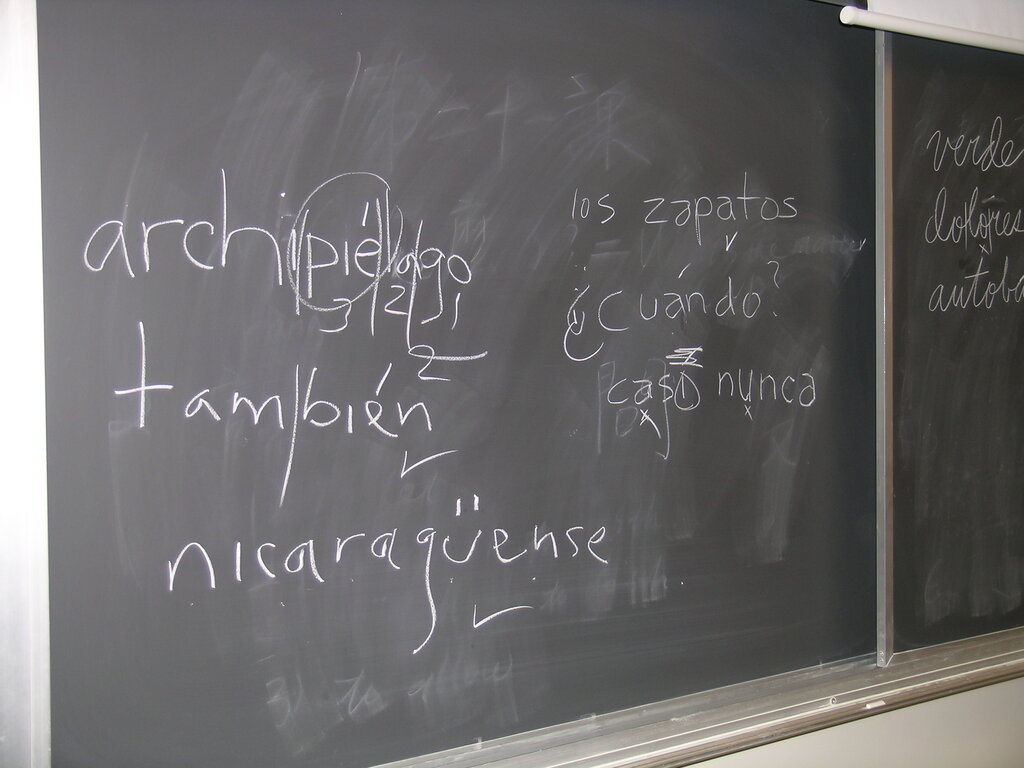
An accent mark (´), also called a tilde, over a vowel tells you to ignore the rules and stress that specific syllable. For instance, café (coffee) ends in a vowel, so the stress should be on the "ca." But the accent on the "é" tells you to stress the final syllable instead: "ca-FE."
Similarly, árbol (tree) ends in an "l," so the stress should be on the last syllable. The accent on the "á" moves the stress to the first syllable: "AR-bol."
Let's see what you've learned about Spanish pronunciation.
According to a 2010 simplification by the Royal Spanish Academy, which two letter combinations are no longer considered separate, official letters of the Spanish alphabet?
True or False: Spanish vowels are very consistent and almost always make the same sound, unlike in English.
Mastering these sounds and stress patterns is a huge step. With them, you can confidently pronounce almost any Spanish word you see, even if you don't know what it means.