Spanish for Beginners
Spanish Alphabet and Pronunciation
The Spanish Alphabet
The Spanish alphabet, or abecedario, is your starting point. It's almost identical to the English alphabet, which is great news. The main difference is the addition of one special letter: Ñ.
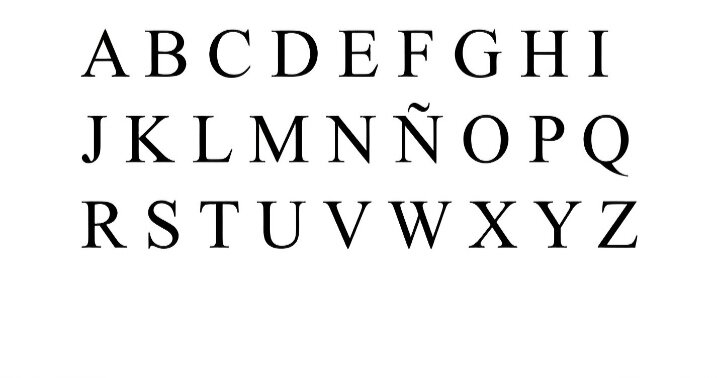
Here are the 27 letters: A, B, C, D, E, F, G, H, I, J, K, L, M, N, Ñ, O, P, Q, R, S, T, U, V, W, X, Y, Z
Besides the extra letter Ñ, you'll also encounter two letter combinations, called digraphs, that have their own unique sounds: LL and RR. We'll look at all of these.
Spanish pronunciation is consistent: once you learn the sounds, you’ll understand and be understood more easily.
Mastering the Vowels
Let's start with the best part about Spanish pronunciation: the vowels. There are only five vowel sounds, and they are always pronounced the same way. Every single time. This consistency makes reading Spanish out loud much simpler than English.
| Vowel | Sound | Example |
|---|---|---|
| A | "ah" as in father | casa (house) |
| E | "eh" as in bed | mesa (table) |
| I | "ee" as in see | si (yes) |
| O | "oh" as in go | hola (hello) |
| U | "oo" as in food | uno (one) |
Practice saying these sounds: ah, eh, ee, oh, oo. Once you have them down, you've unlocked a huge piece of the pronunciation puzzle.
Key Consonant Sounds
Many Spanish consonants sound just like they do in English, but a few have special rules or unique sounds. Let's focus on the ones that are different.
h
other
In Spanish, the letter H is always silent. It's written but never pronounced.
The letter J is also consistent. It always makes a sound like the 'h' in "hat." Think of the name Juan, pronounced "hwan."
Now for the special characters.
tomorrow
The Ñ (eñe) makes a "ny" sound, like the middle of "canyon." You'll see it in words like año (year) and español.
The digraph LL (elle) is pronounced like the 'y' in "yes." So, calle (street) sounds like "ka-yeh."
Finally, there's the RR (erre). This is the famous rolled 'r'. It's made by tapping the tip of your tongue against the roof of your mouth multiple times. It takes practice! You'll find it in words like perro (dog) and carro (car). A single R, by contrast, is just a light tap, similar to the 'dd' sound in the American English pronunciation of "ladder."
A few other consonants change their sound depending on the vowel that follows them. For example, the letter C sounds like a 'k' before A, O, or U (casa, color), but like an 's' before E or I (cero, cine).
Let's review these new sounds.
Ready to test your knowledge?
How many letters are in the official Spanish alphabet (abecedario)?
Which of the following letters is unique to the Spanish alphabet and not found in the English alphabet?
Getting these basic sounds right is a huge step. With practice, they'll become second nature, and you'll be able to read and pronounce Spanish words with confidence.