Spanish Basics for Beginners
Spanish Alphabet and Pronunciation
The Spanish Alphabet
The Spanish alphabet, or abecedario, is your first step toward speaking the language. It's very similar to the English alphabet, so you're already familiar with most of the letters. The big advantage of Spanish is that its pronunciation is incredibly consistent. Once you learn the sound for each letter, you can pronounce almost any word correctly just by looking at it.
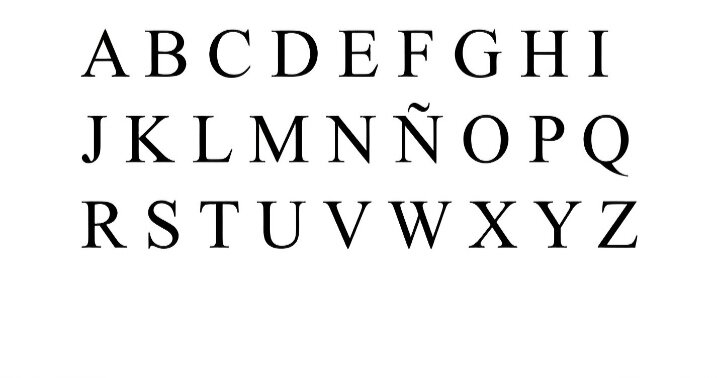
The official Spanish alphabet has 27 letters. You might see older books mention letters like "ch" and "ll" as separate entries, but they are no longer considered distinct letters. Let's focus on the sounds, starting with the most important ones.
The Five Vowels
In Spanish, there are only five vowel sounds, and they never change. This is a huge help for new learners. Unlike English, where a vowel can have many different sounds, in Spanish, what you see is what you get. The sounds are pure and short.
Master the Five Spanish Vowel Sounds
Here's a breakdown of each vowel sound.
| Vowel | Sound | Example English Word |
|---|---|---|
| A | "ah" | father |
| E | "eh" | bed |
| I | "ee" | see |
| O | "oh" | go |
| U | "oo" | moon |
Practice saying them: ah, eh, ee, oh, oo. Mastering these five simple sounds is the key to clear Spanish pronunciation.
Key Consonant Sounds
Most consonants in Spanish sound similar to their English counterparts, but a few have special rules you need to know. Getting these right will make a big difference in how you sound.
| Letter | Pronunciation Rule | Example Spanish Word |
|---|---|---|
| C | Before 'a', 'o', 'u', it's a hard "k" sound. Before 'e' or 'i', it's a soft "s" sound. | casa (house), cine (cinema) |
| G | Before 'a', 'o', 'u', it's a hard "g" sound. Before 'e' or 'i', it's a soft "h" sound. | gato (cat), gente (people) |
| H | Always silent. Don't pronounce it. | hola (hello) |
| J | Always sounds like the English "h". | Japón (Japan) |
| LL | Sounds like the "y" in "yes". | calle (street) |
| Ñ | A unique sound, like "ny" in "canyon". | niño (boy) |
| R | A soft, quick tap of the tongue. When it's 'rr' or at the start of a word, it's rolled. | pero (but), perro (dog) |
| Z | Sounds like the English "s". | azul (blue) |
A special note on G: when you see 'gue' or 'gui', the 'u' is silent and just serves to keep the 'g' sound hard. For example, guerra (war) is pronounced "geh-rra," and guitarra (guitar) is pronounced "gee-tar-ra."
Let's try a few words together. Sound them out using the rules. Taco: TAH-KOH Bebé: BEH-BEH Chica: CHEE-KAH
Consistency is what makes Spanish pronunciation achievable. Once you learn the rules, you can apply them everywhere.
Spanish pronunciation is consistent: once you learn the sounds, you’ll understand and be understood more easily.
Time to review what we've covered.
Now, let's see how well you remember these new sounds.
How many letters are in the official Spanish alphabet?
In Spanish, the sound of a vowel can change depending on the letters around it, similar to English.
Keep practicing these sounds out loud. The more you say them, the more natural they will become.