Space Flight Business Operations
Introduction to Space Flight Operations
From Plan to Payload
A space mission is one of humanity's most complex undertakings. It's a journey that starts years before a rocket ever reaches the launchpad. Every successful flight, whether it's carrying astronauts to the International Space Station or deploying a satellite to monitor weather, follows a carefully choreographed sequence of events. This process, from the initial idea to the final splashdown, is called space flight operations.
The Mission Blueprint
Every mission begins with a goal. What is the purpose of this flight? Is it to conduct microgravity experiments, explore another planet, or place a communications satellite into a precise orbit? The objective dictates everything that follows, from the design of the spacecraft to the type of rocket used to launch it.
Once the goal is clear, planners map out the trajectory, the path the spacecraft will take through space. This isn't just about pointing at a target; it involves complex calculations to use gravity and momentum efficiently, minimizing fuel consumption. The trajectory, in turn, helps determine the ideal launch vehicle—a powerful rocket capable of carrying the payload to its required altitude and velocity.
Finally, every moment of the mission is scheduled, from pre-launch checks to the deployment of solar panels in orbit. This master plan ensures all teams, from engineers on the ground to astronauts in space, are perfectly synchronized.
Countdown to Liftoff
The launch phase is the most visible and dramatic part of any mission. It begins long before the final countdown, with the assembly of the massive launch vehicle and its payload. The rocket is carefully transported to the launchpad, a process that can take hours. Once in position, it's fueled with thousands of gallons of volatile propellants.
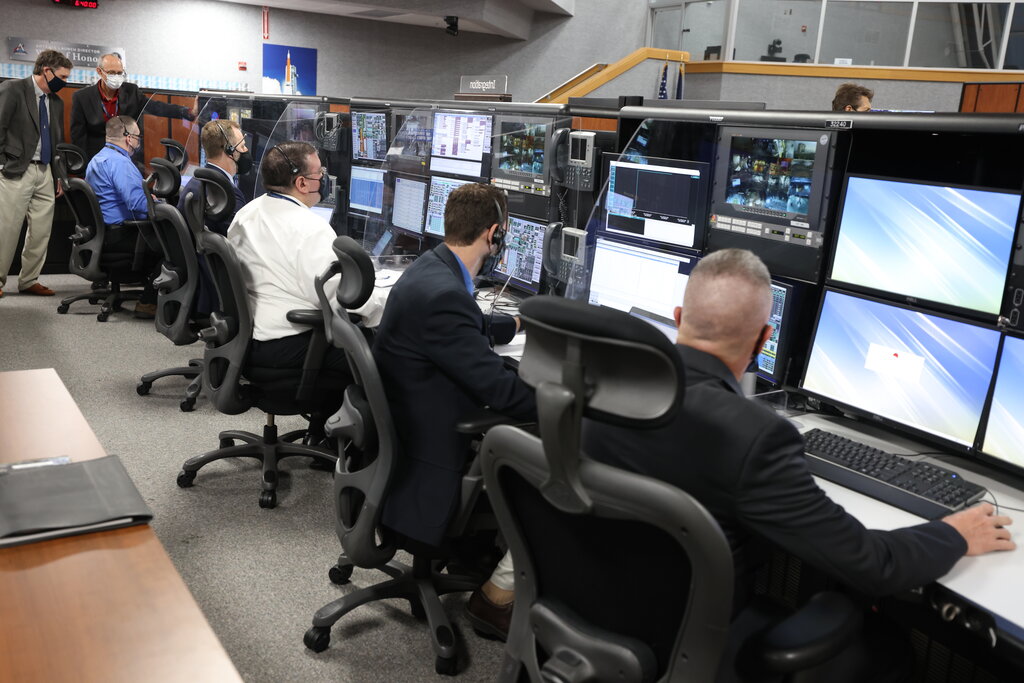
In the final hours, teams in the launch control center run through a meticulous checklist. They monitor the weather, the vehicle's systems, and the range safety network. Every system must be perfect. The famous countdown is the final, public culmination of this intense preparation.
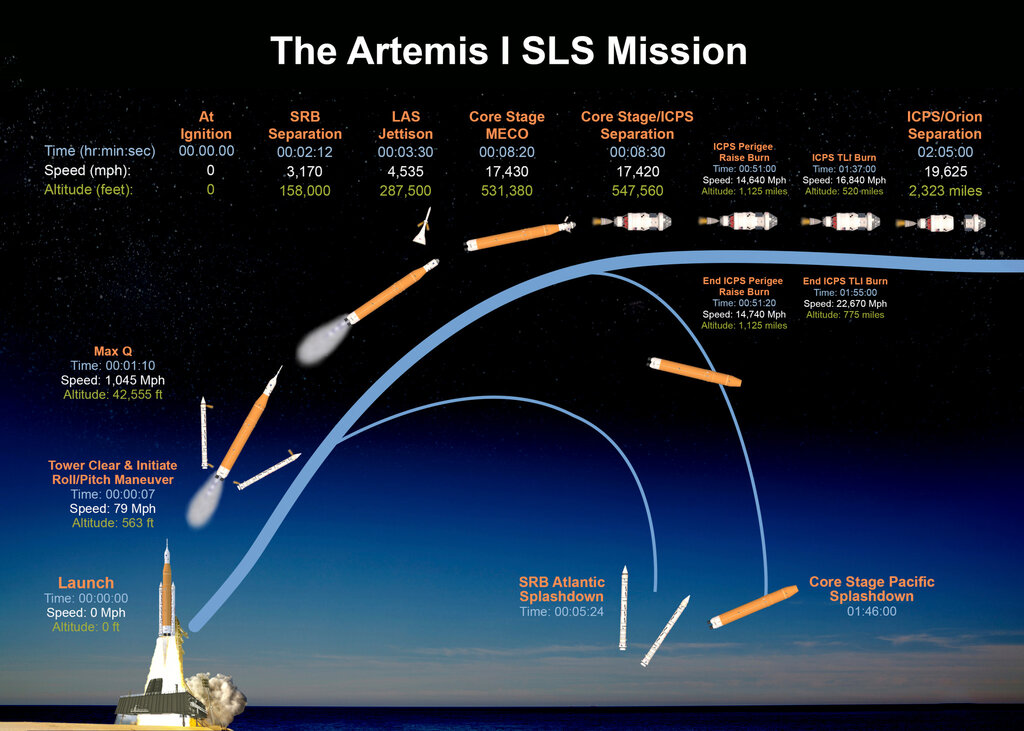
At T-0, the engines ignite, generating millions of pounds of thrust to overcome Earth's gravity. As the rocket ascends, it follows a precise path. To save weight and gain speed, rockets are built in stages. Once a stage has used up its fuel, it is jettisoned and falls away, making the remaining vehicle lighter and more efficient.
Life and Work in Orbit
Once the final stage of the rocket fires, the payload is delivered into orbit. This marks the beginning of the in-orbit operations phase. The mission's primary objectives are carried out here. For a satellite, this might mean deploying antennas and solar arrays to begin its operational life. For a crewed mission, it could involve docking with the International Space Station or conducting scientific experiments.
All of these activities are managed by mission control on the ground. This team communicates with the spacecraft, monitors its health, and helps troubleshoot any problems that arise. They are the spacecraft's lifeline back to Earth, providing support 24/7.
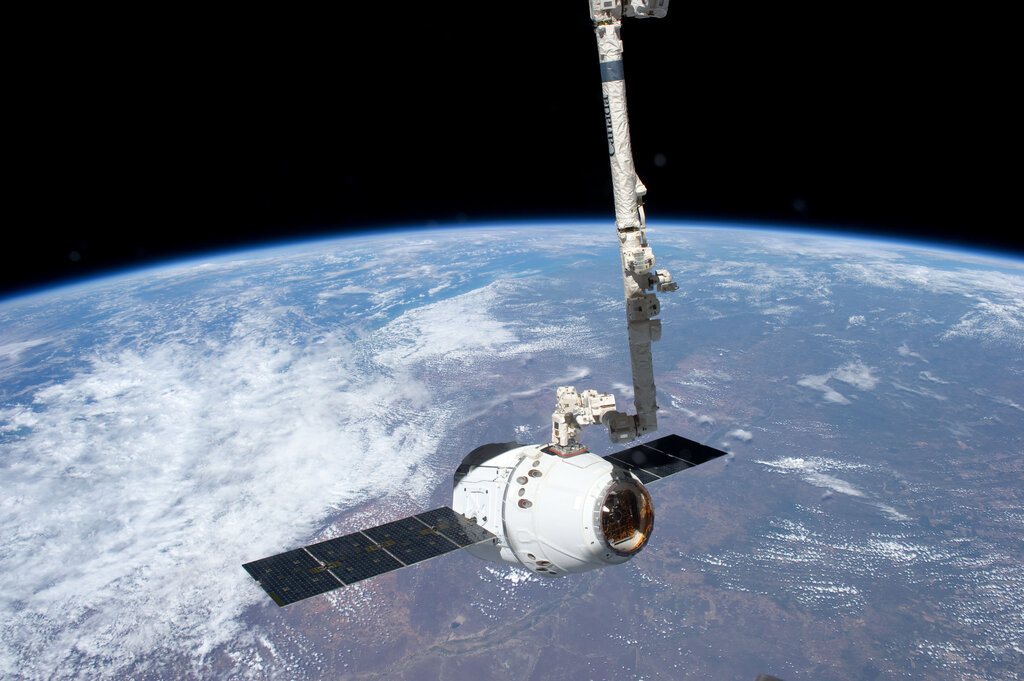
Spacecraft maneuvers are also common during this phase. Thrusters are fired to adjust the orbit, avoid space debris, or align the spacecraft for a specific task. For missions traveling beyond Earth, these maneuvers are critical for navigating the vast distances to other planets.
The Journey Home
Not all missions come back. Satellites and deep space probes often end their lives in orbit. But for missions carrying astronauts or valuable samples, the return journey is a critical final chapter. The process of re-entering Earth's atmosphere is known as recovery.
To begin the journey home, a spacecraft must fire its engines in a deorbit burn, a precise maneuver that lowers its orbit to intersect with the atmosphere. As it hits the upper atmosphere at thousands of miles per hour, friction generates immense heat, turning the spacecraft into a fiery meteor.
A heat shield, made of special ablative materials, is essential for survival. It burns away during re-entry, carrying the intense heat away from the capsule and its occupants.
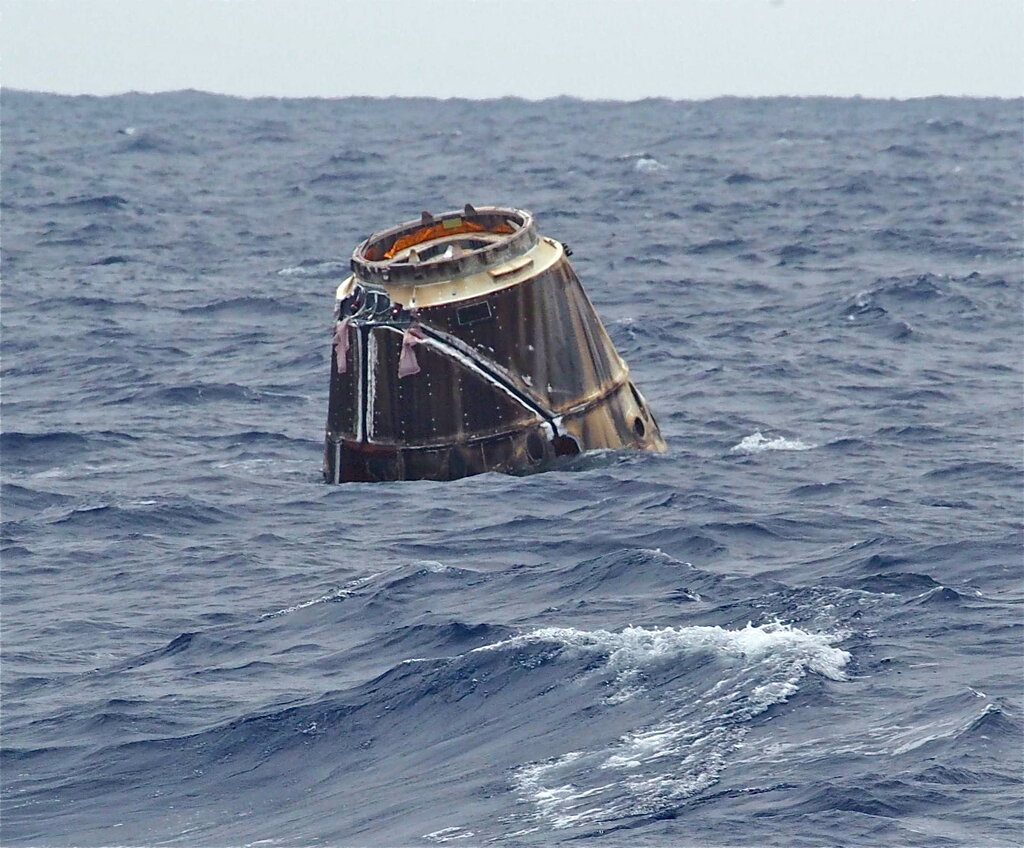
Once through the hottest part of re-entry, a sequence of parachutes deploys to slow the vehicle for a gentle splashdown in the ocean or a landing on solid ground. Recovery teams are stationed nearby to retrieve the capsule and its crew, bringing the mission to a safe conclusion.
Now that you've seen the whole process, let's test your knowledge on the key phases of space flight.
What is the foundational first step in planning any space flight mission?
What is the primary reason for a multi-stage rocket to jettison parts of itself during ascent?
Each of these stages—from planning and launch to operations and recovery—is a massive undertaking involving thousands of people and incredibly complex technology. It's a testament to human ingenuity and our drive to explore the unknown.