Space Data Centers Demystified
Introduction to Space Data Centers
Data Centers in Space?
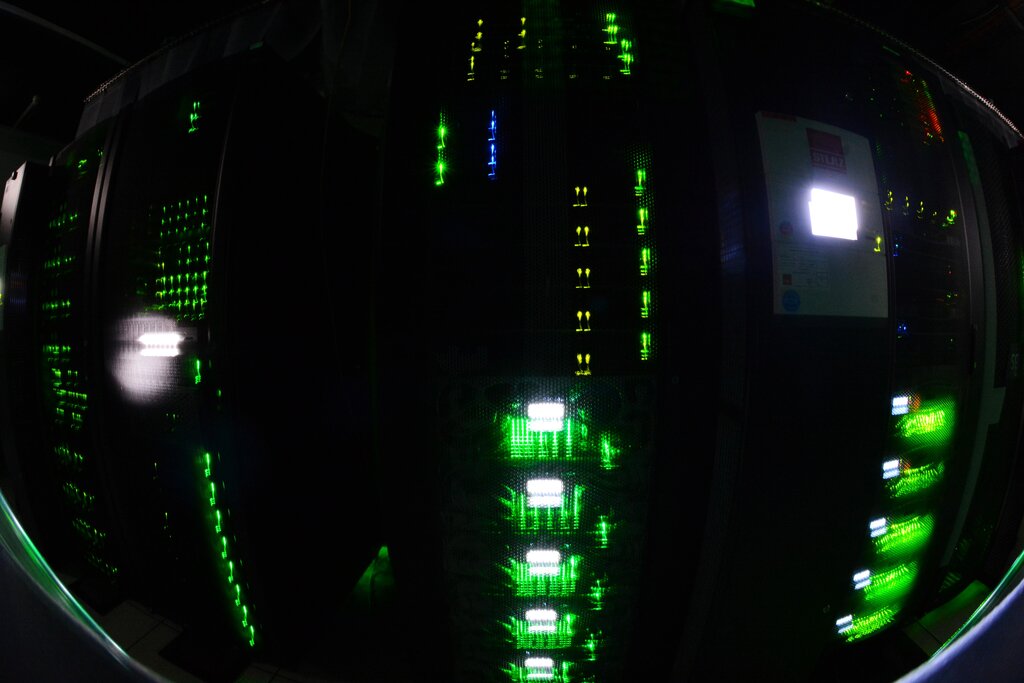
Data centers are the backbone of our digital world. They are physical facilities that house the computers and storage systems we rely on for everything from streaming movies to processing financial transactions. On Earth, these centers are massive consumers of energy and land. They need vast amounts of electricity to run and even more to keep their powerful servers from overheating.
Currently, terrestrial data centers consume a significant amount of energy, estimated at about 1.5% of worldwide electricity use.
What if we could move this critical infrastructure off-world? The idea of space-based data centers is gaining traction as a solution to the environmental impact of their terrestrial counterparts. By placing them in orbit, they could harness a constant, powerful source of energy: the sun. In space, solar panels can capture sunlight 24/7, unhindered by weather or the day-night cycle. This approach could free up land and reduce the strain on our planet's energy grids.
Beyond energy, orbital data centers offer other unique advantages. They could provide an unparalleled level of physical security for critical data, far from earthly disasters like earthquakes or floods. For global communications, processing data in orbit could also reduce delays, improving real-time applications.
The New Space Race
This futuristic concept isn't just science fiction. Several companies are actively working to make it a reality. They see a future where data processing and storage happen among the stars.
One key player is Lonestar Data Holdings, which aims to establish data centers on the Moon. Their initial projects are focused on creating a secure backup for humanity's most important data, a disaster recovery service that's truly out of this world.
Tech giants are also looking to the sky. Google’s “Project Suncatcher” is exploring the feasibility of running artificial intelligence workloads on solar-powered satellites. By moving these energy-intensive computations into space, the project aims to tackle the growing demands AI places on global power grids.
Google’s latest “moonshot,” Project Suncatcher, envisions a radical fix for a problem straining global energy grids: constellations of solar-powered satellites with its custom AI chips to explore running machine learning workloads in the vacuum of space.
Established aerospace companies like Blue Origin are also part of this emerging field, contributing to the development of the infrastructure needed to launch and maintain these orbital facilities. The race is on to build the next generation of cloud infrastructure, not on land, but in orbit.

Challenges and Possibilities
Of course, building and operating a data center in space is not simple. The challenges are significant. Launching heavy equipment into orbit is expensive, and performing maintenance on satellites is far more complex than fixing a server on the ground. The hardware itself must be designed to withstand the harsh environment of space, with its extreme temperatures and radiation.
The unique challenges of the space environment necessitate a comprehensive, multi-disciplinary approach to secure space-based data centers.
Despite these hurdles, the potential benefits are compelling. Space-based data centers represent a fundamental shift in how we think about our digital infrastructure. They could unlock new capabilities for global communication, scientific research, and deep space exploration while helping to protect our home planet. The journey is just beginning, but the vision is clear: the future of data might not be on Earth, but above it.