Space Data Centers
Introduction to Space-Based Data Centers
The Next Frontier for Data
Every time you stream a movie, post a photo, or use an app, you're interacting with a data center. These facilities are the physical heart of the internet, vast buildings packed with powerful computers that store, process, and manage the world's digital information. They are the engine of our modern lives.
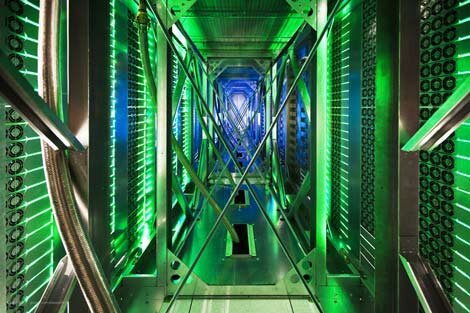
For decades, we've built these digital fortresses on Earth. But as our data needs explode, driven by artificial intelligence, scientific research, and billions of connected devices, our terrestrial data centers are starting to feel the strain. The demand for processing power is growing at an incredible rate, pushing us to look for a new solution.
Earth's Data Dilemma
Building data centers on the ground comes with some serious challenges. First, there's the enormous energy consumption. These facilities require a constant, massive supply of electricity to run the servers and, just as importantly, to keep them cool. Overheating is the enemy of any computer, and data centers are no exception.
Currently, terrestrial data centers consume a significant amount of energy, estimated at about 1.5% of worldwide electricity use.
This thirst for power has a significant environmental impact. Many data centers rely on fossil fuels, contributing to carbon emissions. They also consume vast quantities of water for cooling, a strain on a precious resource. Furthermore, these huge facilities take up a lot of land, often competing with other needs like housing or agriculture.
Beyond environmental concerns, terrestrial data centers are vulnerable. They are susceptible to natural disasters like earthquakes, floods, and hurricanes, as well as man-made threats that could disrupt the flow of information we depend on.
Looking to the Stars
So, what if we could move this critical infrastructure off-world? This is the core idea behind space-based data centers. Instead of building on land, we could place them in orbit around the Earth, on the Moon, or even deeper into space.
This isn't just science fiction; it's a concept driven by powerful motivations.
One of the biggest advantages is access to a virtually limitless supply of solar energy. By harnessing the sun's power 24/7, space data centers could operate with a much smaller carbon footprint than their terrestrial cousins.
These space-based data centers could take advantage of the always-on, free fusion reactor at the center of the Solar System.
The cold vacuum of space also offers a natural cooling solution, dramatically reducing the energy needed to prevent servers from overheating. Finally, placing data centers in orbit provides a new level of security, protecting our most critical data from terrestrial disasters and threats.
While there are still immense challenges to overcome, the concept represents a fundamental shift in how we think about data infrastructure. It’s a step towards a more sustainable, resilient, and powerful digital future.
What is the primary function of a data center?
Which of the following are major challenges for Earth-based data centers mentioned in the text?