Space-Based Optical Communication Market Analysis
Market Overview
A Crowded Sky
The market for space-based communication is experiencing explosive growth. Valued in the billions, analysts project it will expand significantly over the next decade. This surge isn't just about sending signals to remote places anymore; it's about creating a global, high-speed data network in the sky.
The primary force behind this expansion is a simple, terrestrial need: our ever-increasing demand for fast, reliable, and secure data transmission. From streaming video in rural areas to enabling secure financial transactions, the applications are vast, and traditional ground-based infrastructure can't always keep up.
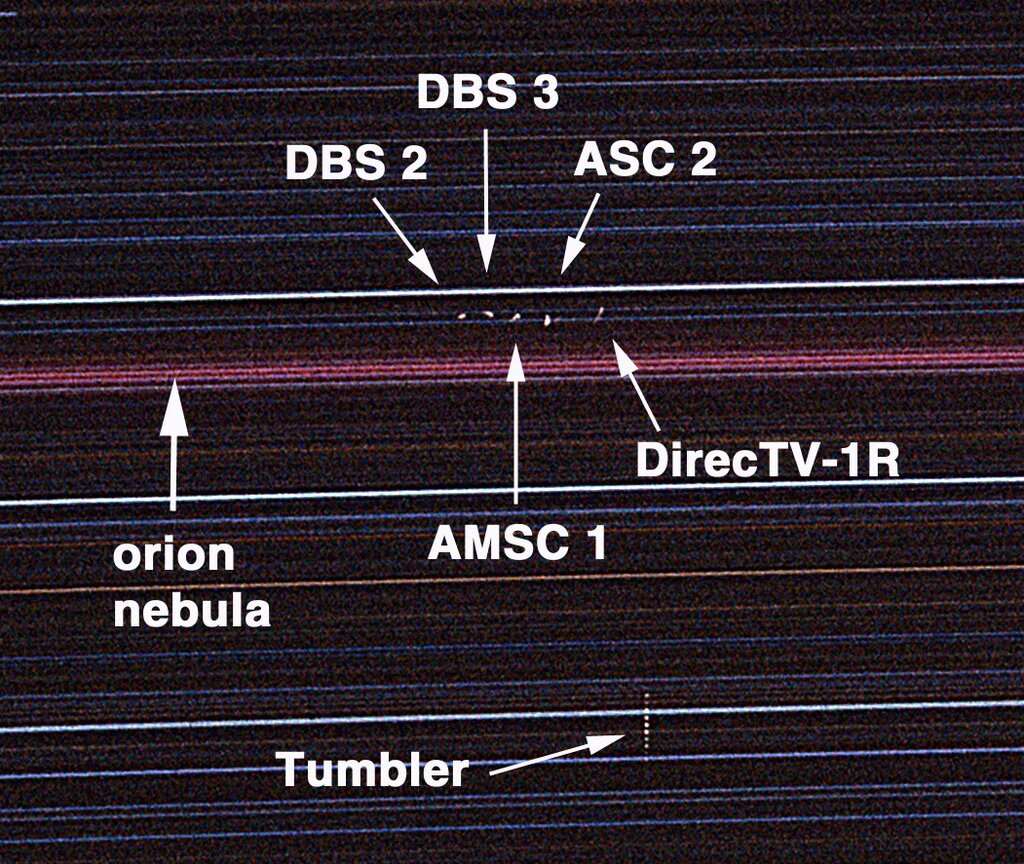
This demand has fueled a new space race, not between nations, but between corporations aiming to blanket the Earth in connectivity.
Drivers of the Boom
Two main factors are driving the market forward: the sheer demand for data and the revolutionary approach of using large satellite constellations. The global appetite for high-bandwidth internet is relentless. People want seamless connectivity everywhere, from bustling cities to remote villages. Satellites offer a way to bypass the immense cost and logistical challenges of laying fiber optic cables across oceans and difficult terrain.
At the same time, the strategy for building satellite networks has fundamentally changed. Instead of launching a few large, expensive satellites into high geostationary orbits, companies are now deploying vast "constellations" of smaller, cheaper satellites in Low Earth Orbit (LEO). This approach reduces latency, improves coverage, and makes the entire network more resilient.
The satellite internet sector is undergoing a seismic transformation, driven by technological innovation and surging global demand for connectivity.
The Major Players
A handful of ambitious companies are leading the charge, dominating the conversation and the launch schedules. Their massive investments and rapid deployment of satellites are shaping the entire industry.
| Company | Project Name | Constellation Goal | Status |
|---|---|---|---|
| SpaceX | Starlink | ~12,000+ satellites | Operational, with thousands of satellites in orbit. |
| OneWeb | OneWeb | 648 satellites (initial phase) | Operational, nearing global coverage. |
| Amazon | Project Kuiper | 3,236 satellites | In development, with prototype satellites launched. |
SpaceX's Starlink is currently the most prominent player, with thousands of satellites already in orbit providing internet services to consumers in numerous countries. Their aggressive launch schedule has given them a significant first-mover advantage.
OneWeb focuses primarily on enterprise, government, and maritime clients. After facing financial difficulties and restructuring, it has successfully deployed the majority of its initial constellation.
Amazon's Project Kuiper is a formidable entrant, backed by the e-commerce giant's immense resources. While later to the game, its plans are just as ambitious, aiming to provide broadband to unserved and underserved communities around the world.
The sheer scale of these LEO constellations is the single biggest factor transforming the market. By launching satellites in unprecedented numbers, these companies create robust networks that can deliver fiber-like speeds from orbit. This fundamentally changes the economics and capabilities of satellite communication, turning it from a niche solution into a mainstream competitor for global internet service.
What is the primary force driving the expansion of the space-based communication market?
What fundamental shift in strategy is transforming satellite networks?
The space communication market is no longer a quiet frontier. It's a bustling, competitive industry driven by clear demand and the ambitious visions of a few key players.