Soviet Jet Fighters MiG-15 to MiG-23
Introduction to Soviet Jet Aviation
A New Era in the Skies
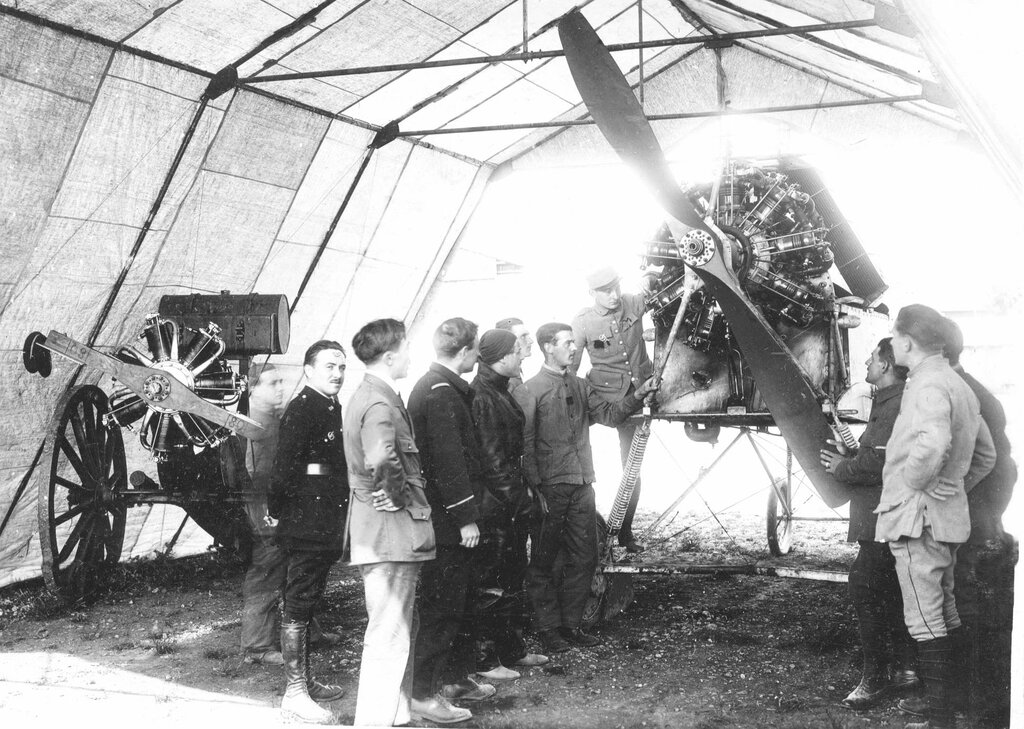
As World War II ended, the sound of aviation was changing. The roar of propeller-driven aircraft, which had dominated the skies, was beginning to be replaced by the high-pitched scream of the jet engine. For the Soviet Union, this technological shift was a critical challenge. Their air force, built on powerful and rugged piston-engine fighters like the Yak-3 and La-7, was suddenly at risk of becoming obsolete.
The race was on to master jet propulsion. Soviet engineers benefited from two key sources. First, they studied captured German jet technology, like the Junkers Jumo 004 and BMW 003 engines that powered the Messerschmitt Me 262. This gave them a foundational understanding of the new technology. Second, in a surprising turn of events, the British government sold a number of advanced Rolls-Royce Nene centrifugal-flow jet engines to the Soviets. This purchase provided a powerful and reliable engine to build upon, accelerating their development by years.
The MiG Partnership
At the forefront of this effort was a design bureau known as OKB-155. It was led by two brilliant men: Artem Mikoyan and Mikhail Gurevich. Mikoyan, an energetic and politically savvy organizer, was the public face of the bureau. Gurevich was a master of mathematics and theoretical design, the quiet genius who ensured their aircraft were structurally sound and aerodynamically advanced. Together, their first names formed the famous "MiG" designation that would become synonymous with Soviet fighter jets.
First Flights
The bureau's first major success was the MiG-9. Using two captured German BMW 003 engines, it became the Soviet Union's first operational jet fighter. It was a straight-wing aircraft that represented a huge leap forward, but it wasn't perfect. The engines were mounted under the nose, and firing the main cannon could cause the engines to flame out from ingesting the gun gases, a rather serious design flaw.
Even as the MiG-9 was entering service, Mikoyan and Gurevich were working on a far more advanced design, the I-310. This prototype was different. It incorporated two revolutionary features: swept-back wings for high-speed flight and a single, powerful engine based on the Rolls-Royce Nene. This combination proved to be a world-beater, and the I-310 would soon be given a new name: the MiG-15.
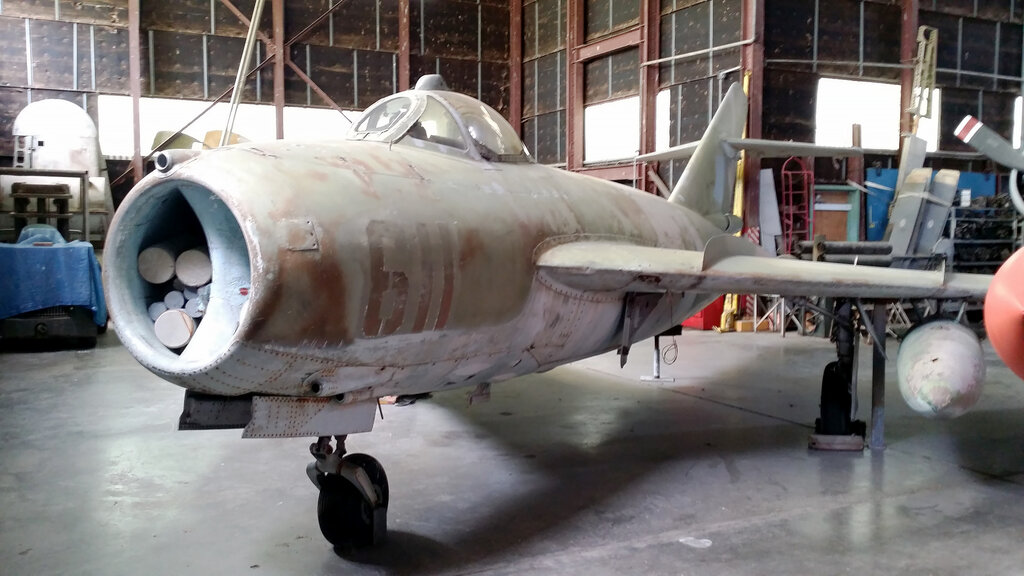
The MiG-9 was a crucial first step, a platform for learning the hard lessons of jet aircraft design. But it was the I-310 that truly marked the arrival of the Soviet Union as a major power in the jet age. This early work set the stage for one of the most iconic and widely produced jet fighters in history.
What was the primary source of the engines used in the MiG-9, the Soviet Union's first operational jet fighter?
The design bureau OKB-155, responsible for the MiG fighters, was led by Artem Mikoyan and Mikhail ____.
These initial efforts by the MiG bureau transformed Soviet aviation and set a new course for military aircraft design that would define the Cold War.