South Korea Driver's License Exam
Road Signs
Decoding Korean Road Signs
Driving in South Korea is straightforward once you understand the visual language of its road signs. The system, managed by the KoROAD authority, relies on a consistent color-and-shape code to communicate rules quickly. Mastering this system is key, especially since many signs rely on symbols rather than text.
By familiarizing yourself with these symbols and colors, you can decode road signs more efficiently and respond appropriately while driving.
The basic framework is simple:
- Warning Signs: Yellow triangles alert you to potential hazards ahead, like a sharp curve or a slippery road.
- Regulatory Signs: Red-bordered circles or triangles tell you what you must or must not do, such as setting a speed limit or prohibiting a turn.
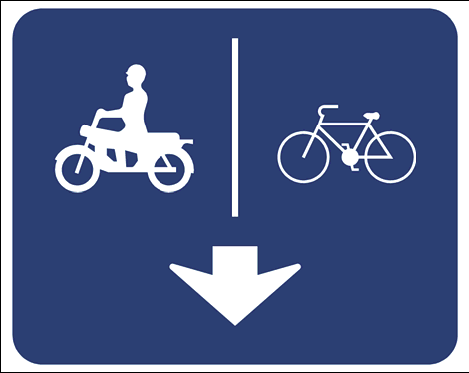
- Mandatory Signs: Blue circles or rectangles give you a direct instruction, like 'turn right' or 'bicycles only'.
Think of it like a traffic light: yellow for caution, red for a rule you must follow, and blue for a required action.
Unique Signs to Know
While many signs are universal, South Korea has some unique ones that often trip up international drivers. One of the most important is the 'No Straight Ahead' sign. It’s a red-bordered circle with an upward-pointing arrow crossed out. You'll see this at intersections where you must turn left or right, often to allow for a dedicated left-turn signal for oncoming traffic. Missing this sign can lead to a fine or, worse, an accident.
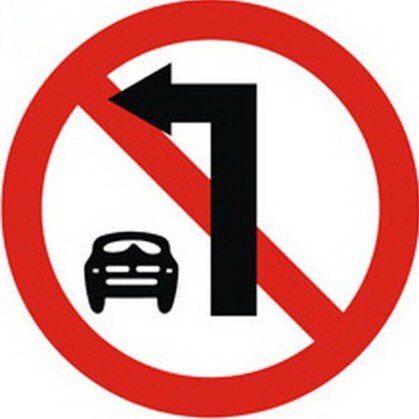
Another crucial area is the Children Protection Zone, or 'School Zone' (스쿨존). These areas have a strict speed limit of 30 km/h (about 19 mph) or less. The signs are prominent, and road surfaces are often painted red to grab your attention. Fines for speeding or accidents in these zones are significantly higher. Always be on high alert.
You may also see signs specifically addressing Personal Mobility (PM) devices, like electric scooters. These signs often show a silhouette of a person on a scooter, either permitting or prohibiting them from certain paths. With the rise of e-scooters, these signs are becoming more common in busy urban areas.
Reading the Road Itself
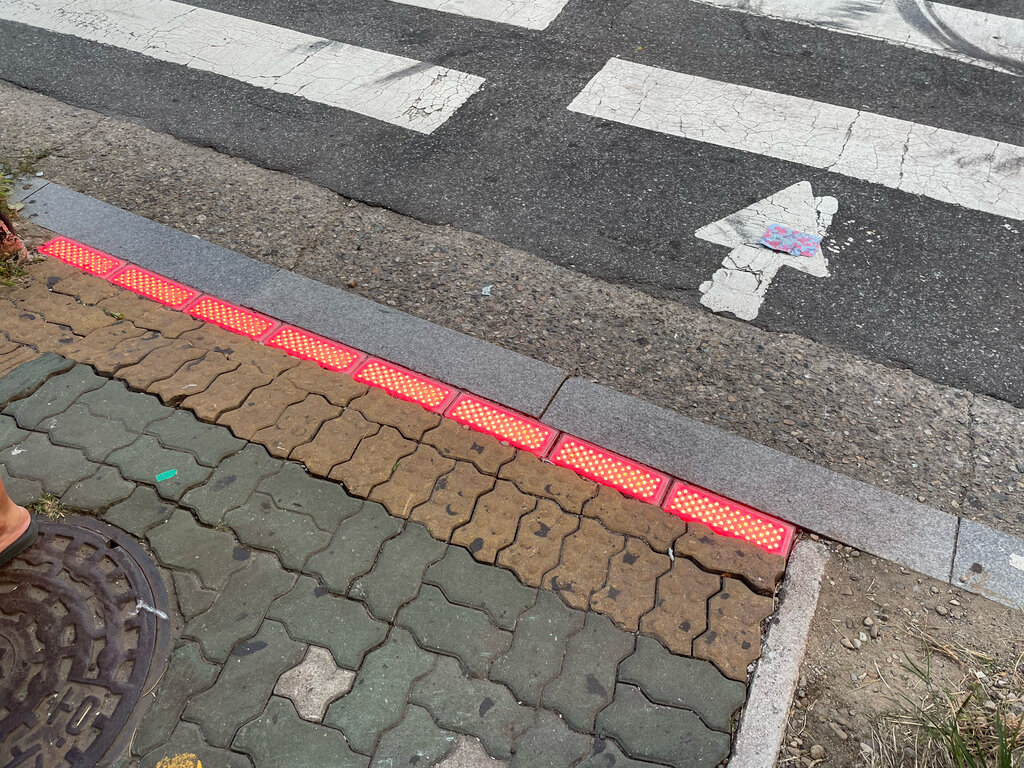
Beyond signs on poles, the markings painted on the road are just as important. A double yellow line means absolutely no overtaking, similar to a solid double white line in other countries. You must not cross it for any reason.
You'll also encounter white zig-zag lines painted in a lane before a pedestrian crossing. These aren't for decoration; they are a warning to slow down and prepare to stop. They signal that you are approaching an area where you must yield to pedestrians.
| Road Marking | Meaning |
|---|---|
| Single Solid Yellow Line | No parking or stopping at certain times (check nearby signs). |
| Double Solid Yellow Lines | No parking or stopping at any time. No overtaking. |
| Blue Solid Line | Bus-only lane. Only buses (and permitted vehicles) can use it. |
| White Zig-Zag Lines | Approaching a pedestrian crossing. Slow down and be prepared to stop. |
| Pink Line | A guide line for drivers unfamiliar with a complex intersection, often leading to a highway entrance. |
Bicycle lanes are usually painted green or red and are marked with a bicycle symbol. Some are separated from traffic, while others are just a designated part of the road. Pay close attention to 'End of Restriction' signs, which are typically the original sign with a red diagonal line through it. This tells you that a specific rule, like a speed limit or a bicycle-only lane, no longer applies.
In South Korea, what does a blue, circular road sign typically indicate?
You are approaching an intersection and see a red-bordered circular sign with an upward-pointing arrow that has a red line crossing it out. What must you do?
By recognizing these key colors, shapes, and markings, you'll find navigating South Korea's roads much less intimidating.