South Korea App Marketing for AI Meeting Tools
South Korean Digital Landscape
A Hyper-Connected Nation
South Korea is one of the most connected countries on Earth. A staggering percentage of the population owns a smartphone, making it a truly mobile-first society. This isn't just a trend; it's a fundamental aspect of daily life. From the moment they wake up until they go to sleep, South Koreans rely on their devices for communication, entertainment, banking, and shopping.
This high penetration rate means the mobile screen is the primary gateway to the digital world for almost everyone. Unlike in many other countries where desktop usage remains significant, in South Korea, the default is mobile. This has shaped the entire digital ecosystem, from how businesses operate to how people interact.
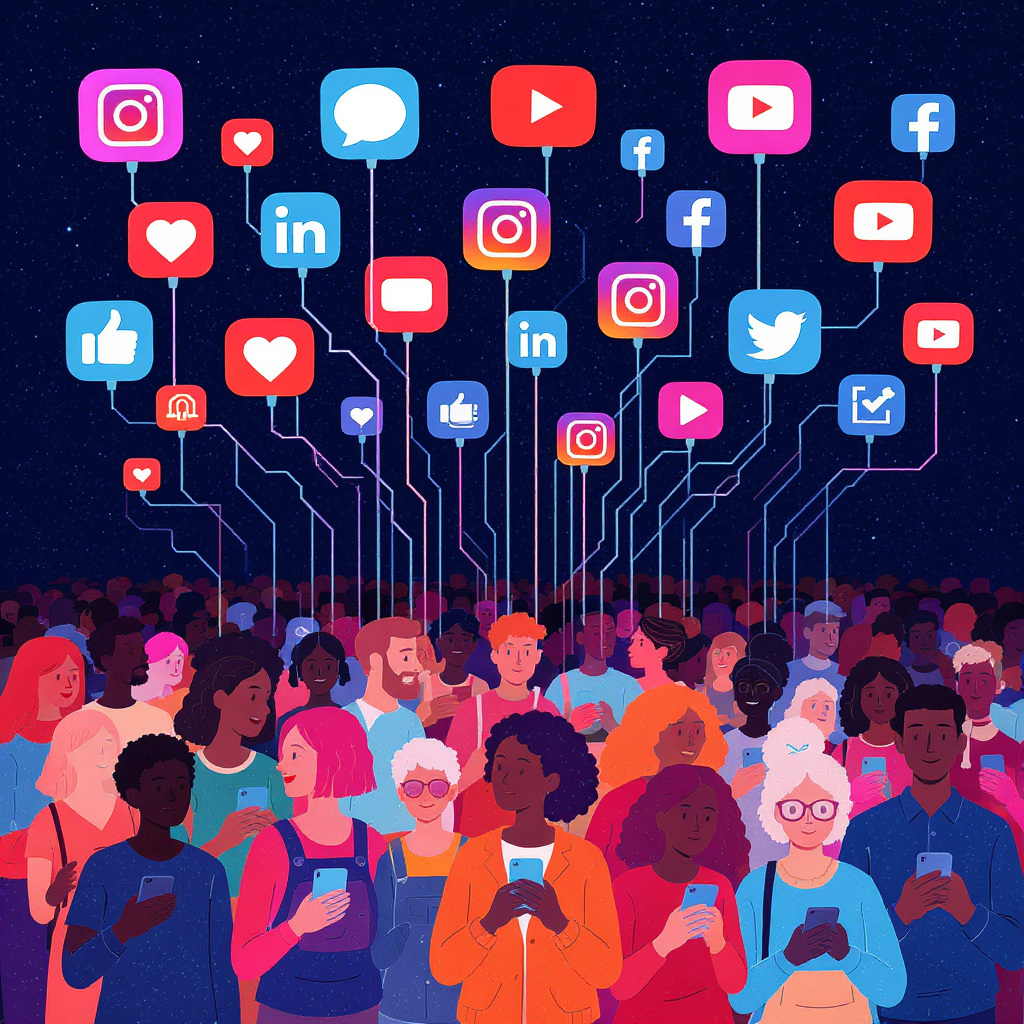
The sheer density of smartphone users creates a unique environment. It’s a place where digital trends can catch fire overnight and where an app can achieve massive scale in a very short time. The assumption is that everyone is reachable through their phone.
Homegrown Digital Giants
While global tech companies have a presence in South Korea, the digital landscape is dominated by powerful local platforms. Understanding these homegrown giants is key to understanding the market.
Two names stand above the rest: Kakao and Naver.
Think of them not just as apps or websites, but as comprehensive ecosystems that are deeply integrated into the fabric of Korean society.
First, there's Kakao. Its flagship app, KakaoTalk, is the undisputed leader in messaging. With an install base on nearly every smartphone in the country, it's the primary tool for personal and professional communication. But KakaoTalk is much more than a chat app. It's a platform for gaming, shopping (Kakao Gift), banking (Kakao Bank), and transportation (Kakao T). This integration makes it incredibly sticky and central to a user's digital life.
KakaoTalk
Then there's Naver. Often called the "Google of South Korea," Naver is the country's dominant search engine. Its search results page integrates content from its own services, including Naver Blog, Naver Cafe (online communities), and Naver Knowledge iN (a Q&A platform). Beyond search, Naver also operates the popular messaging app LINE (which is more dominant in other parts of Asia, like Japan and Taiwan), a digital payment service (Naver Pay), and a webtoon platform. For many Koreans, the internet experience begins and ends with Naver's portal.
Naver
Powered by World-Class Speed
Underpinning this entire digital ecosystem is South Korea's world-leading internet infrastructure. The country was one of the first to commercially launch 5G services on a national scale, and its commitment to high-speed connectivity is unwavering. The result is an environment where fast, reliable internet is not a luxury but a standard utility, available almost everywhere.
This powerful infrastructure enables the rich, data-intensive mobile experiences that South Korean users have come to expect.
What does this mean in practice? It means seamless streaming of high-definition video, fast-paced online gaming with minimal lag, and rapid downloads of large apps and files. Users don't worry about data caps or slow connections. This expectation of speed and performance raises the bar for any digital product or service. An app that is slow or clunky simply won't survive in a market accustomed to instant, flawless performance.
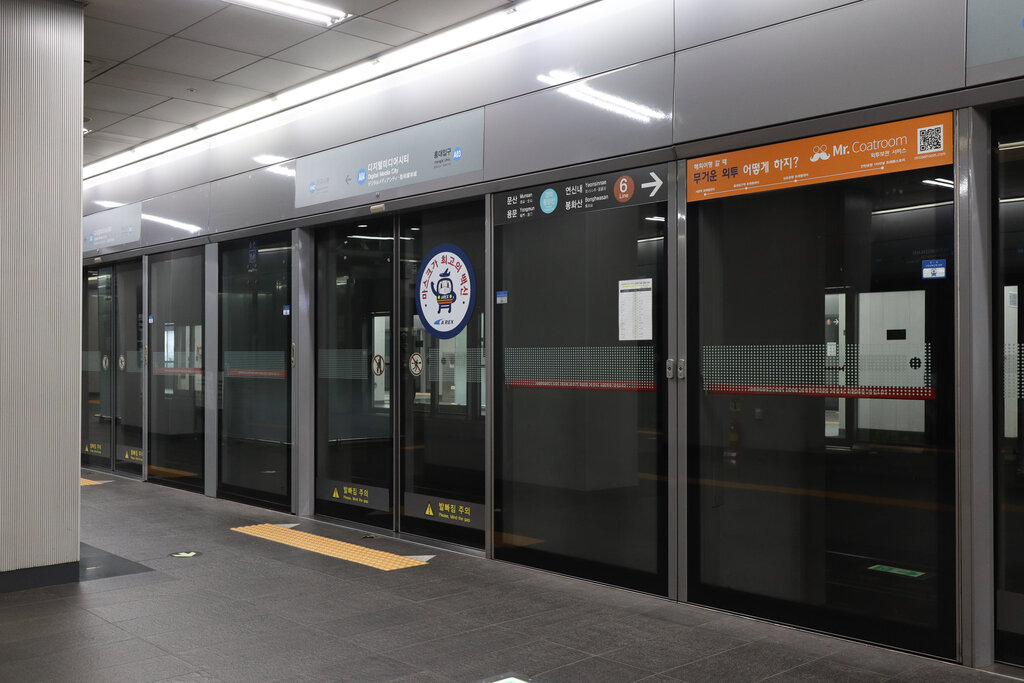
The combination of high smartphone ownership, dominant local platforms, and blazing-fast 5G makes South Korea's digital landscape both unique and highly advanced.